Work Hours
Monday to Friday: 7AM - 7PM
Weekend: 10AM - 5PM

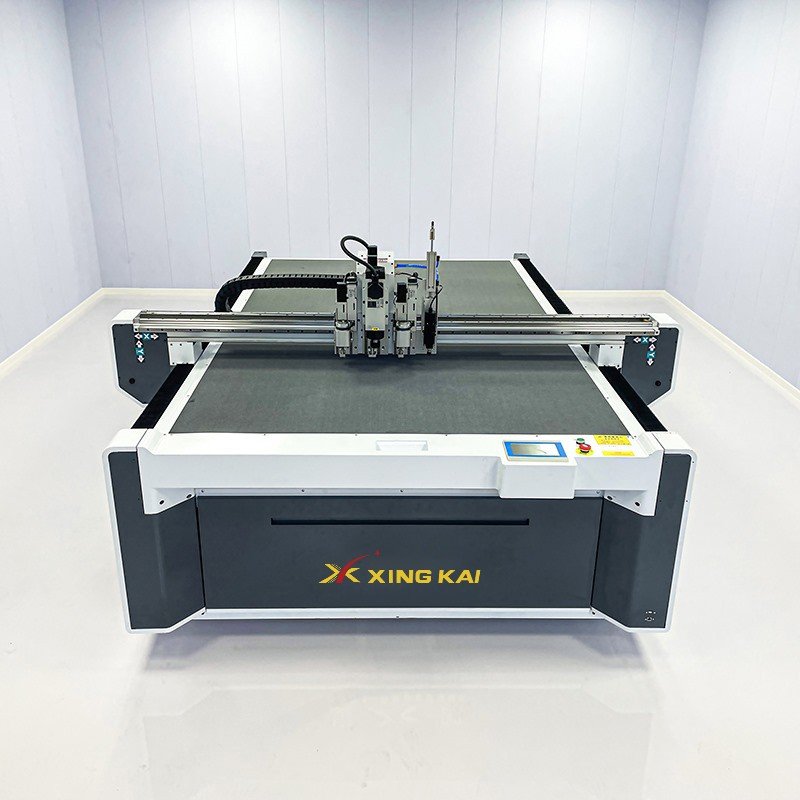
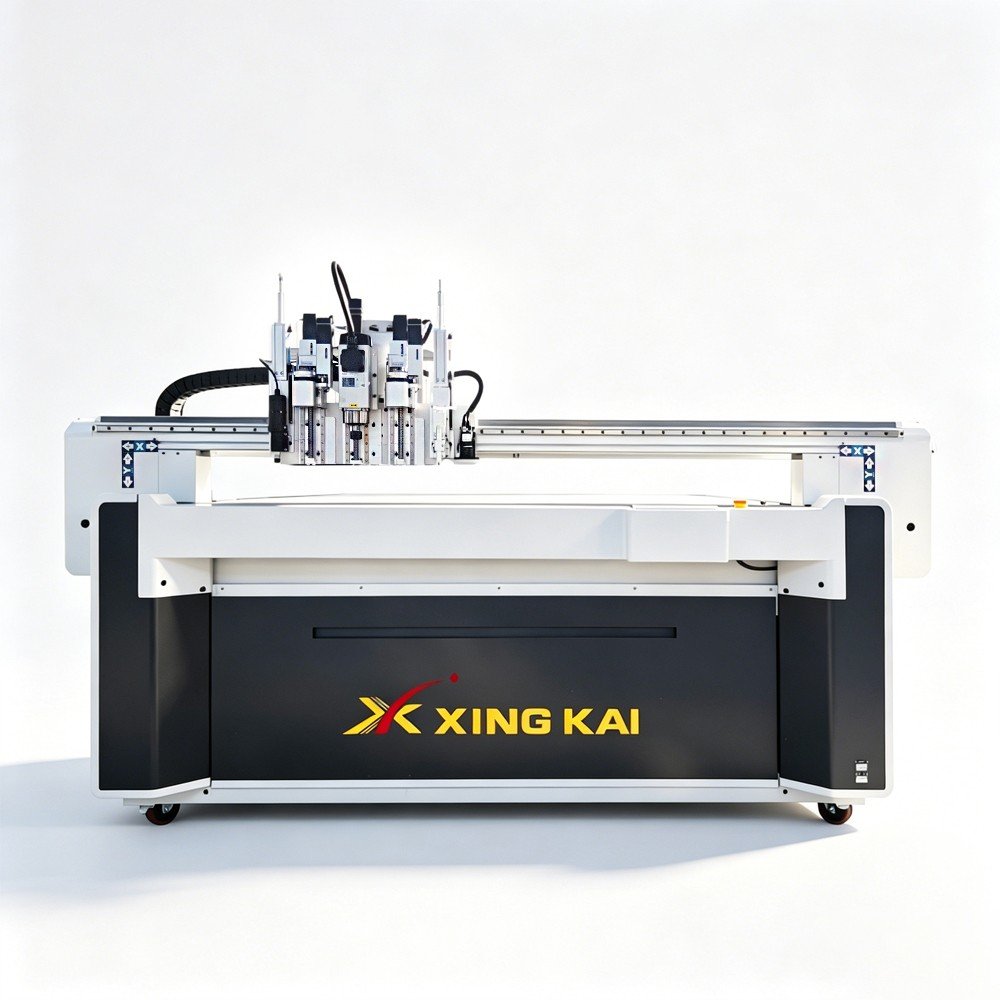
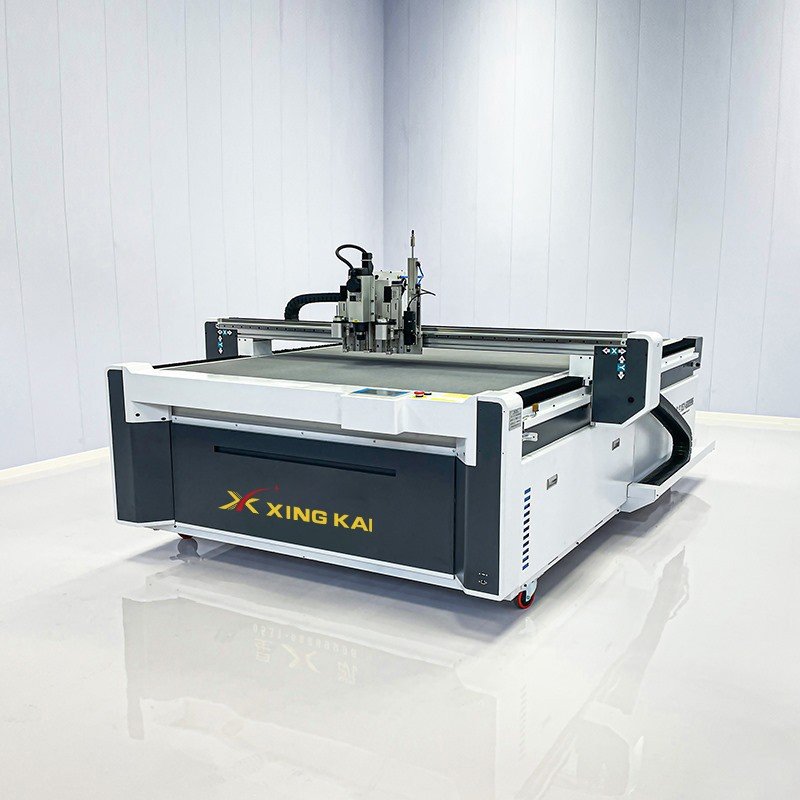
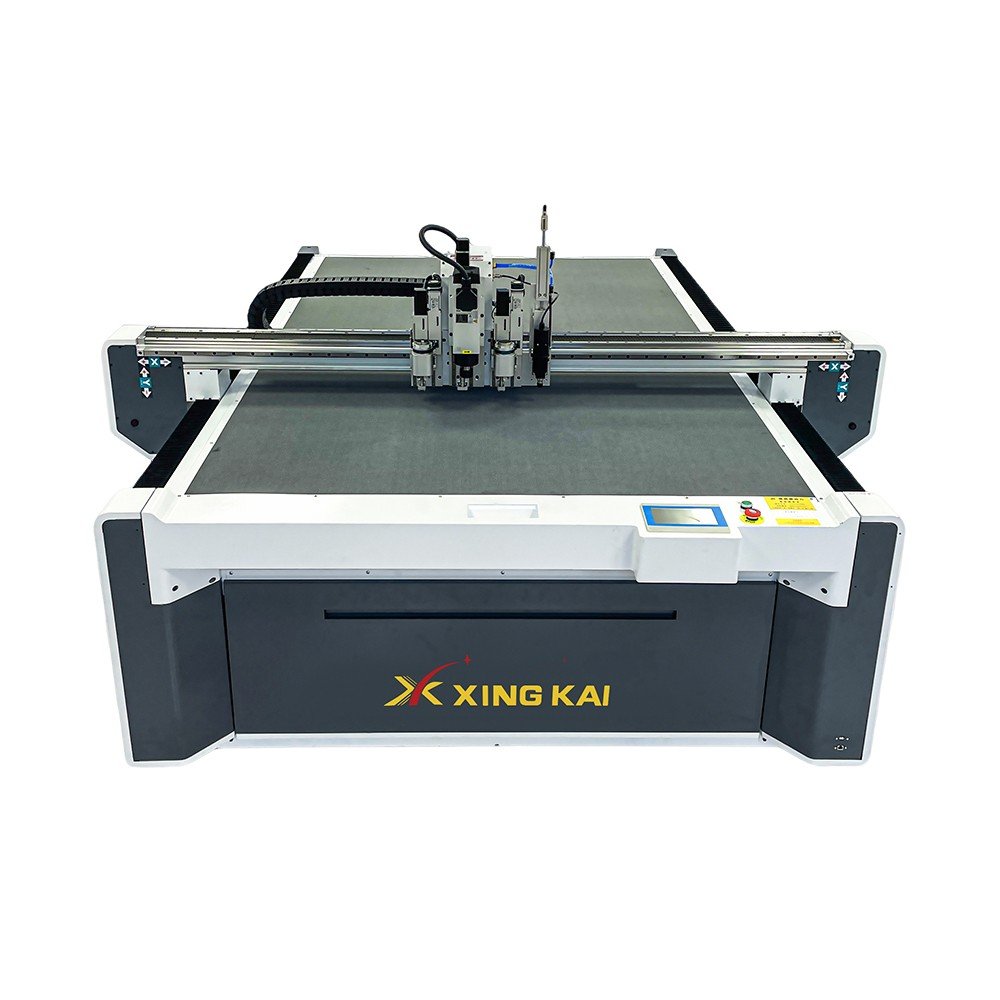
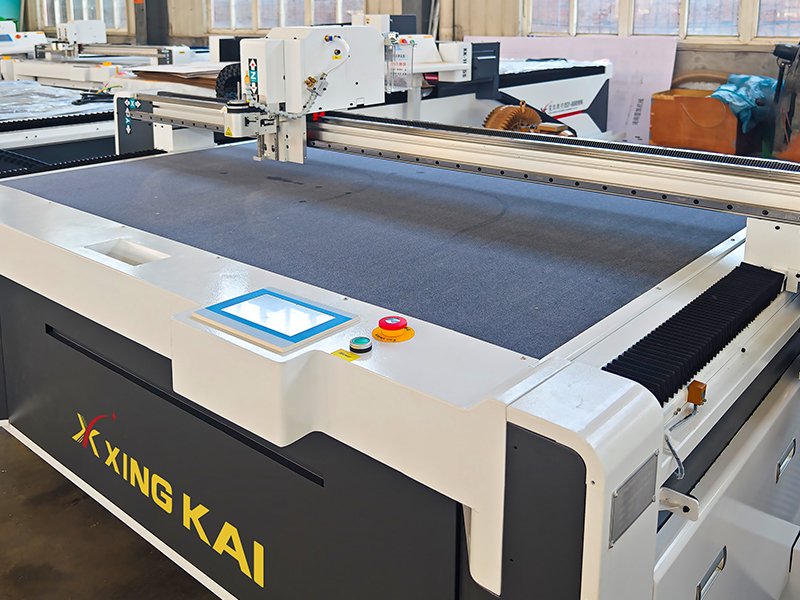
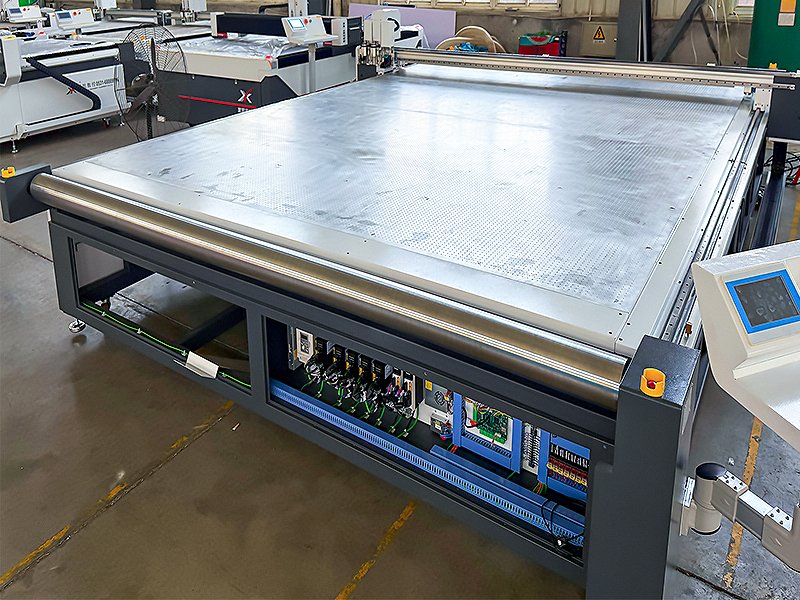
XK-1625 1600×2500mm Automatic CNC Foam Cutting Machine with Oscillating Knife
Brand
XINGKAI
Manufacturer
Jinan Xingkai Machinery Equipment Co., Ltd.
Working Area
1600mm × 2500mm
Rating
★★★★★ 4.6 / 5 (41 reviews)
Service
Meets CE quality and safety standards; two-year limited warranty on the entire machine.
Delivery Time
We have stock available; standard delivery time is 3–7 days. Custom orders are made according to actual needs.
Request a Quote
Xingkai foam oscillating knife cutting machines are industrial CNC cutting systems specially designed for the automated cutting of foam, sponge, and other flexible non-metallic materials.
They deliver high-precision cutting for EVA foam, EPE foam, XPE foam, PE foam, PU sponge, neoprene foam, acoustic foam, insulation foam, packaging foam, filter foam, memory foam, rubber foam, and laminated foam materials. Depending on production requirements, the machines can also process rubber, felt, carpet, soft PVC, silicone, leather, and other flexible materials.
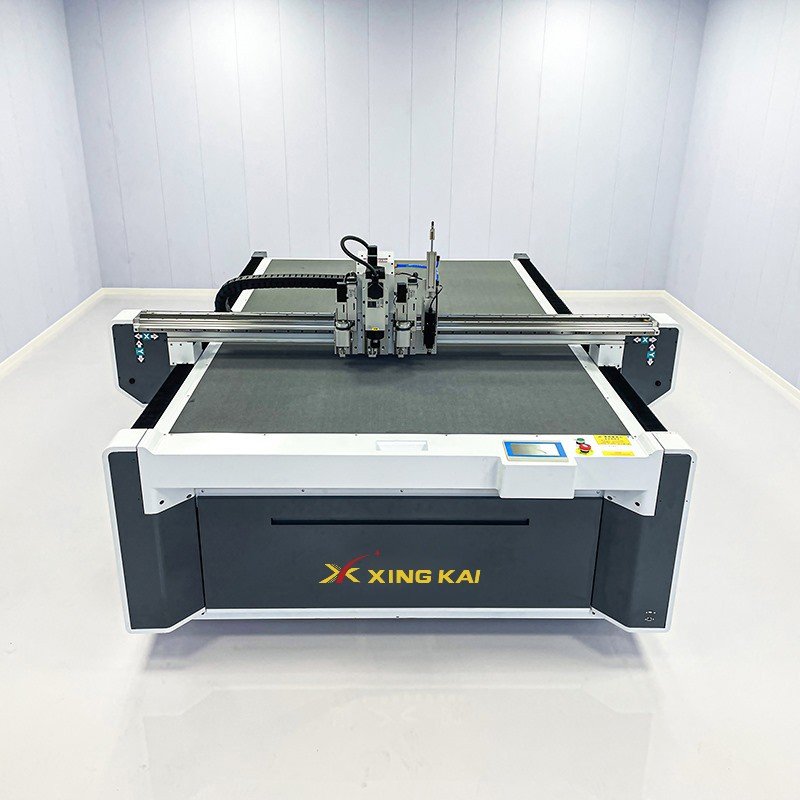
These machines typically consist of an intelligent nesting system, CNC control system, vacuum adsorption table, oscillating knife cutting tool, and optional visual positioning or automatic feeding system. They support a fully digital workflow from design file import and automatic nesting to precision cutting. No cutting dies are required. Operators can quickly complete prototypes, customized orders, and batch production by changing the design and dimensions in the software.
Xingkai foam cutting machines are widely used in protective packaging, tool cases, automotive interiors, sound insulation, thermal insulation, furniture, sports products, footwear, gaskets, filtration, and industrial cushioning. Depending on the application, they may also be referred to as CNC foam cutting machines, automatic foam cutters, digital sponge cutting machines, EVA cutting machines, EPE foam cutting machines, or oscillating knife cutters for flexible materials.
Foam Oscillating Knife Cutting Machine Specifications
Customizable working sizes and special cutting configurations are available upon request.
| Parameter | Specification |
|---|---|
| Cutting Materials | EVA foam, EPE foam, XPE foam, PU foam, sponge, foam rubber, acoustic foam and composite foam |
| Cutting Speed | ≤1800 mm/s (specific speed depends on material density and thickness) |
| Cutting Thickness | ≤200 mm, depending on foam density and hardness |
| Material Fixing Method | Vacuum adsorption with zoned vacuum control |
| Cutting Accuracy | ±0.1 mm |
| Compatible File Formats | DXF, HPGL |
| Working Voltage | AC 220V/380V ±10%, 50Hz |
| Transmission System | Servo motor drive and precision linear guide rails |
| Working Environment | Temperature: 5°C–35°C; Humidity: 35%–75% |
| Software Resolution | 0.025 mm |
| Operation Interface | Touchscreen |
| Vacuum Pump Power | 7.5 kW or 9 kW |
| Feeding Method | Fixed working table or automatic conveyor system |
| Compatible Cutting Tools | Oscillating knife, pneumatic oscillating knife, V-cut tool, milling tool, punching tool and marking pen |
| Optional Functions | Automatic feeding, automatic nesting, camera positioning and projection positioning |
Available Models and Dimensions
| Model | Effective Cutting Area (L × W) | Machine Dimensions (L × W) | Package Size (L × W) |
|---|---|---|---|
| 7010 | 1000 × 700 mm | 1700 × 1380 mm | 1850 × 1500 mm |
| 1615 | 1500 × 1600 mm | 2320 × 2500 mm | 2470 × 2620 mm |
| 1625 | 2500 × 1600 mm | 3350 × 2500 mm | 3500 × 2560 mm |
| 1825 | 2500 × 1800 mm | 3350 × 2700 mm | 3750 × 2290 mm |
| 1840 | 4000 × 1800 mm | 4800 × 2700 mm | 5200 × 2290 mm |
| 2025 | 2500 × 2000 mm | 3350 × 2900 mm | 1900 × 3100 mm, disassembled |
| 2030 | 3000 × 2000 mm | 3950 × 2900 mm | 2200 × 2900 mm, disassembled |
Recommended Cutting Tools
| Cutting Tool | Suitable Materials | Main Features |
|---|---|---|
| Oscillating Knife | EVA, EPE, XPE, thin sponge and soft foam | High-frequency blade movement provides fast, clean contour cutting |
| Pneumatic Oscillating Knife | Thick sponge, high-density EVA, foam rubber and composite foam | Stronger cutting force and longer blade stroke for thick or dense foam |
| V-Cut Tool | EVA, XPE, foam board and packaging foam | Produces V-shaped grooves for folding and structural assembly |
| Milling Tool | High-density EVA, rigid foam and thick foam board | Suitable for grooves, slots and special three-dimensional processing |
| Punching Tool | EVA foam, packaging inserts and foam gaskets | Produces positioning holes and process holes |
| Marking Pen | EVA, sponge and packaging foam | Marks numbers, positioning points and assembly lines |
Recommended Tool Configurations
| Foam Application | Recommended Tool Configuration |
|---|---|
| EVA foam | Oscillating Knife + Punching Tool |
| Thick EVA foam | Pneumatic Oscillating Knife |
| EPE and XPE foam | Oscillating Knife |
| Thick sponge | Pneumatic Oscillating Knife |
| Foam rubber | Pneumatic Oscillating Knife |
| Packaging foam inserts | Oscillating Knife + Punching Tool |
| V-groove foam packaging | Oscillating Knife + V-Cut Tool |
| High-density or rigid foam | Pneumatic Oscillating Knife + Milling Tool |
| Acoustic foam | Pneumatic Oscillating Knife |
| Continuous foam rolls | Oscillating Knife + Automatic Feeding System |
Why Choose a CNC Foam Oscillating Knife Cutting Machine?
Foam materials are soft, compressible, and easy to deform. Manual cutting is slow and often produces inconsistent dimensions, uneven edges, and inaccurate holes or curves. Traditional die cutting requires a separate die for every product shape and size, increasing costs and making customized production less flexible.
A CNC foam cutting machine uses vacuum adsorption and suitable fixing methods to stabilize the material. The oscillating knife moves rapidly up and down while following the imported design file, allowing the machine to cut straight lines, curves, holes, slots, and complex irregular shapes accurately.
Intelligent nesting software optimizes pattern placement according to sheet dimensions and part shapes, reducing offcuts and improving material utilization. Digital designs can be changed quickly, making the machine suitable for samples, customized packaging, small-batch orders, multi-size products, and continuous production.
Xingkai foam cutting machines use blades for physical cutting. Unlike laser processing, they produce no cutting heat, burnt edges, melting, smoke, or unpleasant odors. The cut surface is clean and the original foam structure is preserved. This provides an efficient and flexible cutting solution for packaging, automotive, insulation, furniture, and industrial foam applications.
Advantages of the High-End Industrial Foam Cutting Machine
High-Speed Cutting
The high-speed motion control system and oscillating knife technology allow the machine to process different foam patterns continuously, shortening sampling and production cycles.
High-Precision Cutting
The machine automatically follows imported design files to accurately cut straight lines, curves, holes, slots, and complex contours. It helps maintain consistent dimensions across different production batches.
Intelligent Automatic Nesting
Intelligent nesting software optimizes pattern placement according to foam sheet dimensions and component shapes. This reduces offcuts and improves material utilization.
No Cutting Dies Required
Cutting can begin after importing the design file. Different products, shapes, and sizes can be changed without manufacturing new cutting dies, making the machine ideal for prototypes and customized production.
Reduced Labor Costs
The machine automatically completes nesting and cutting, reducing reliance on skilled manual cutters and lowering repetitive labor costs.
Clean Cutting Edges
Blade cutting produces no cutting heat, burnt edges, melting, smoke, or noticeable odors. It provides clean, smooth, and consistent foam edges.
Suitable for Thick Foam
The oscillating knife provides strong cutting force and can process foam and sponge materials with different thicknesses. Tool stroke and blade length are selected according to the actual material and required cutting depth.
Suitable for Many Foam Materials
The machine can process EVA, EPE, XPE, PE foam, PU sponge, neoprene, acoustic foam, insulation foam, packaging foam, filter foam, memory foam, rubber foam, and foam composites.
Supports Multiple Production Methods
It is suitable for single-piece samples, personalized products, small-batch multi-size orders, and batch production. Digital files allow manufacturers to switch products quickly.
Stable and Reliable Operation
High-precision gear racks, industrial linear guide rails, and a reliable CNC control system provide accurate transmission, smooth movement, low operating noise, and long service life.
Optional blades and accessories
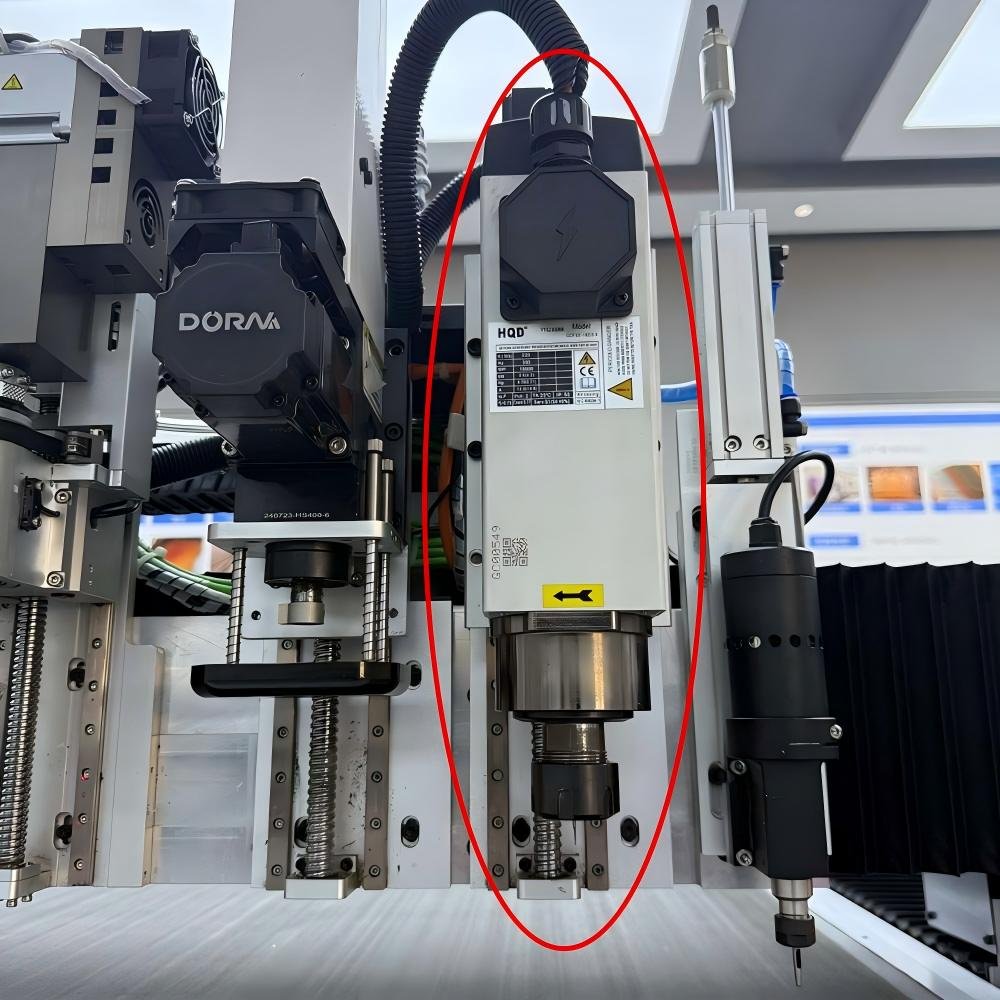
Milling cutter
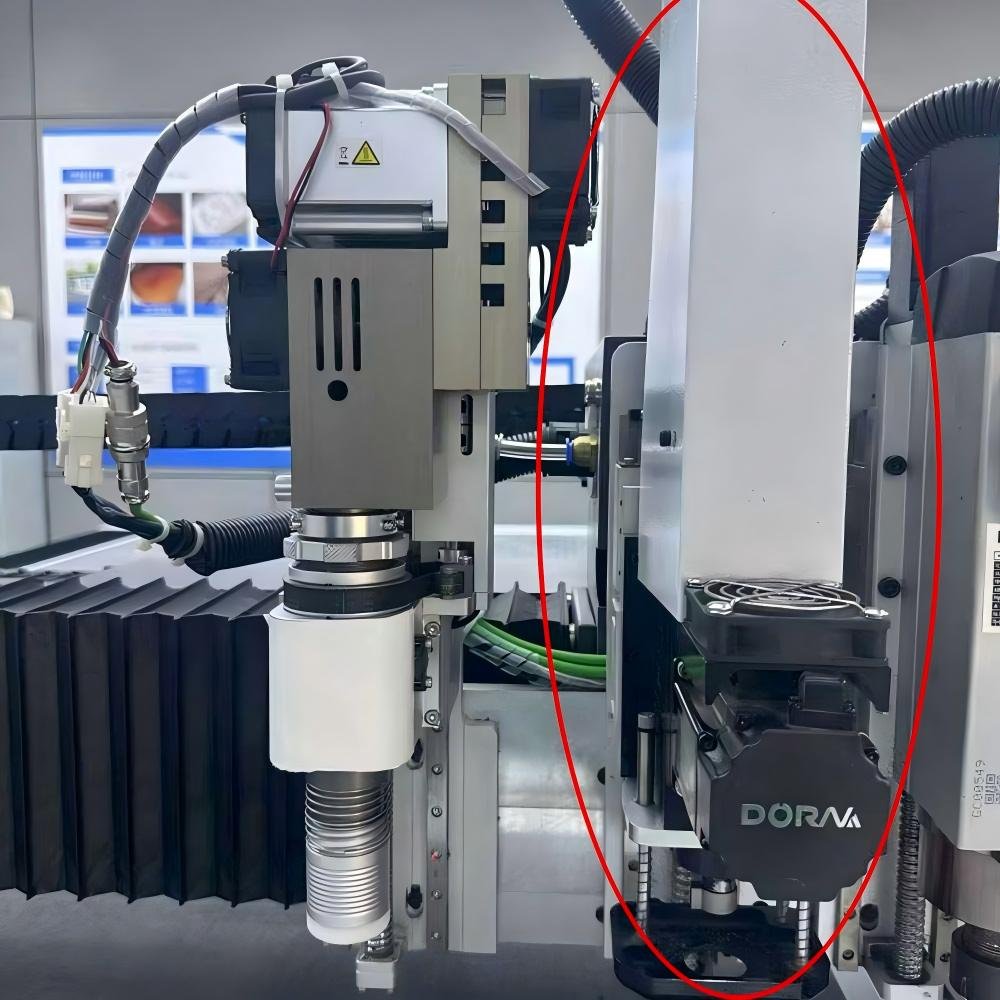
400W high power
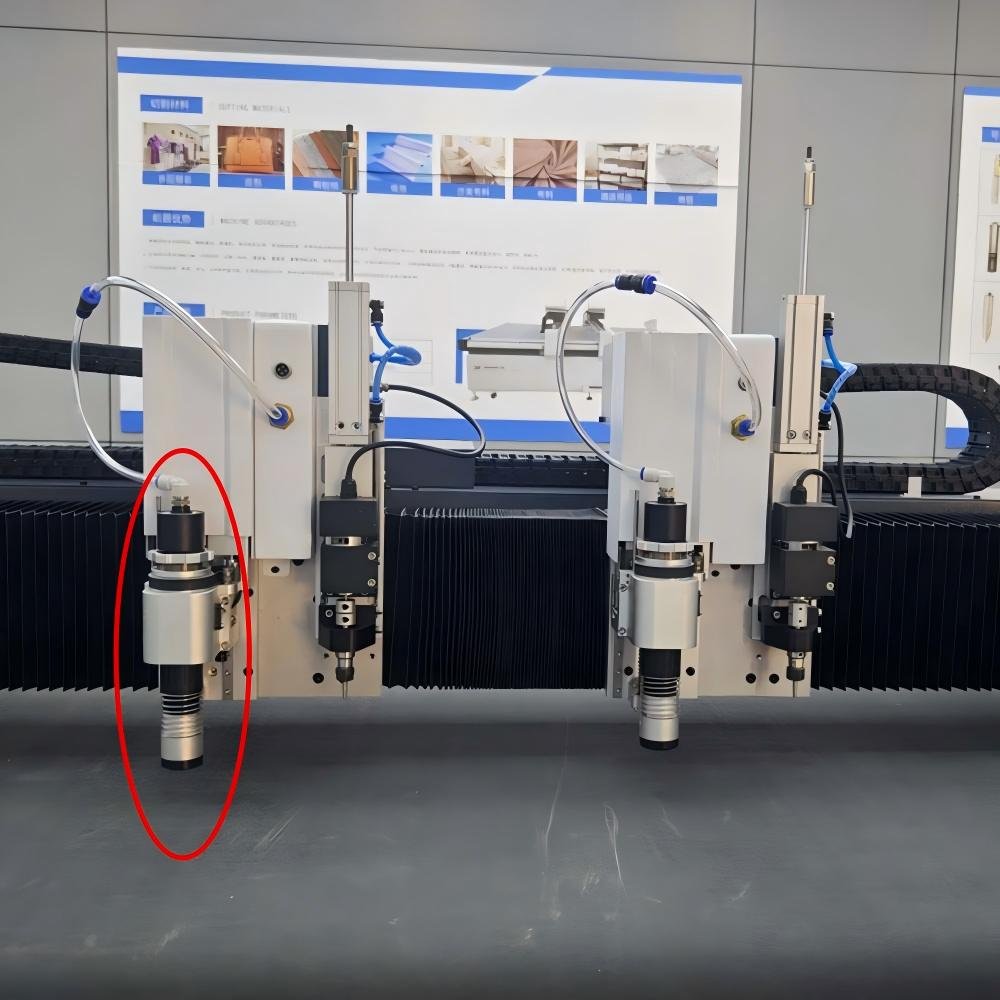
Pneumatic knife
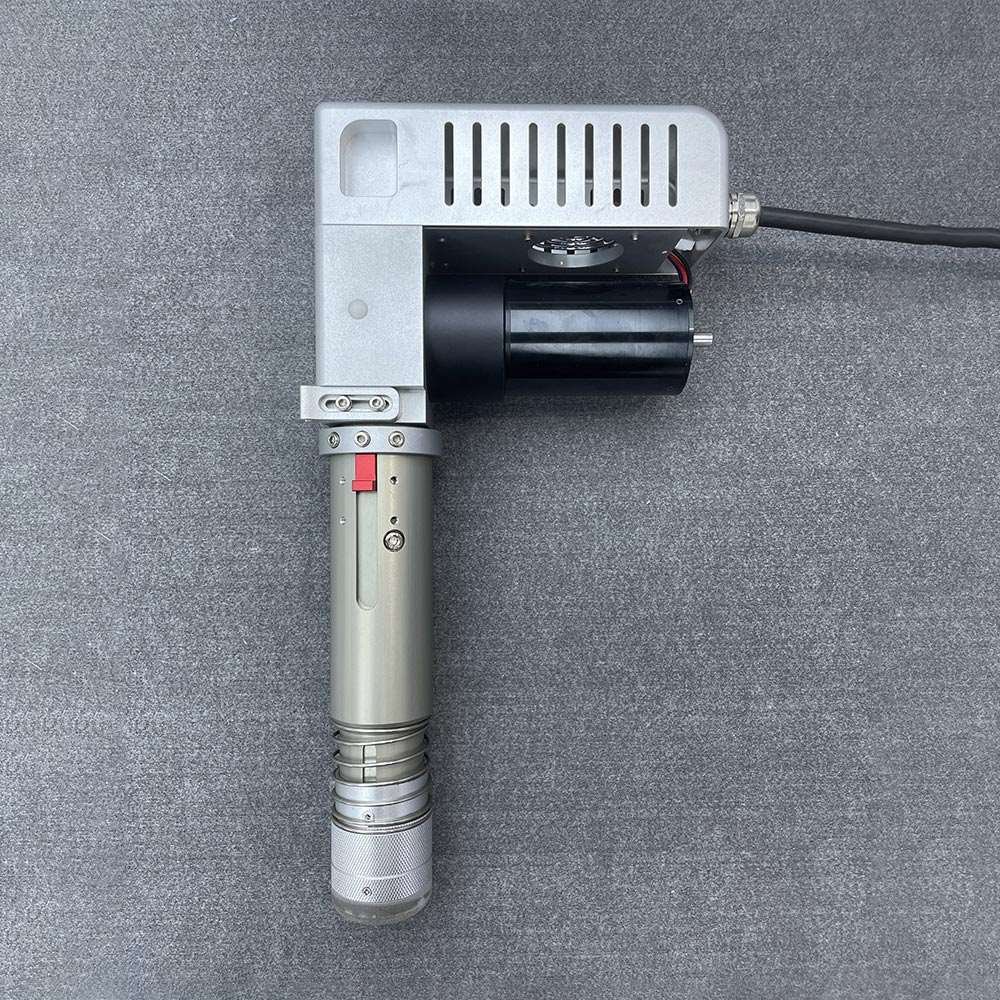
Vibrating knife
Key Features of the Xingkai Foam Oscillating Knife Cutting Machine
Heavy-Duty Machine Frame
The high-strength welded frame is precision-machined and stress-relieved for excellent rigidity, stability, and long-term cutting accuracy.
Intelligent CNC Control System
An industrial touchscreen control system provides simple operation, fast response, and reliable control of cutting and processing parameters.
Vacuum Adsorption Table
The vacuum table helps keep foam sheets stable during cutting. Vacuum zones and auxiliary covering methods can be adjusted according to foam density, air permeability, and sheet size.
High-Precision Drive System
Precision gear racks and industrial linear guide rails ensure fast, smooth movement and accurate cutting of straight lines, curves, holes, and complex shapes.
Oscillating Knife Cutting
The high-frequency blade movement provides sufficient cutting force for soft, thick, and dense foam materials. Physical cutting requires no dies and produces no heat or smoke.
Multiple Tool Configuration
The machine can be equipped with oscillating knives, pneumatic oscillating knives, drag knives, V-cut tools, punching tools, and marking tools according to material and process requirements.
Optional Visual Positioning
For printed foam, pre-marked materials, or components requiring contour recognition, an optional camera system can identify registration marks or material outlines and guide the cutting path.
Stable and Reliable Operation
The modular structure and automatic lubrication system reduce maintenance requirements, extend service life, and support long-term continuous operation.
Automatic digital foam cutting machines can be configured with different tools according to foam thickness, density, hardness, and required shape. Standard oscillating knives are suitable for EVA, EPE, XPE, packaging foam, neoprene, and general sponge materials. Pneumatic oscillating knives provide greater cutting force for thick, dense, or laminated foam. V-cut tools can create angled grooves and structural inserts, while punching and marking tools can add holes, reference points, and identification marks.
If you are unsure which cutting tool to choose, please send us the foam type, thickness, hardness or density, sheet dimensions, and required cutting shape. Our service team will recommend a suitable machine and tool configuration.
Machine details and key components
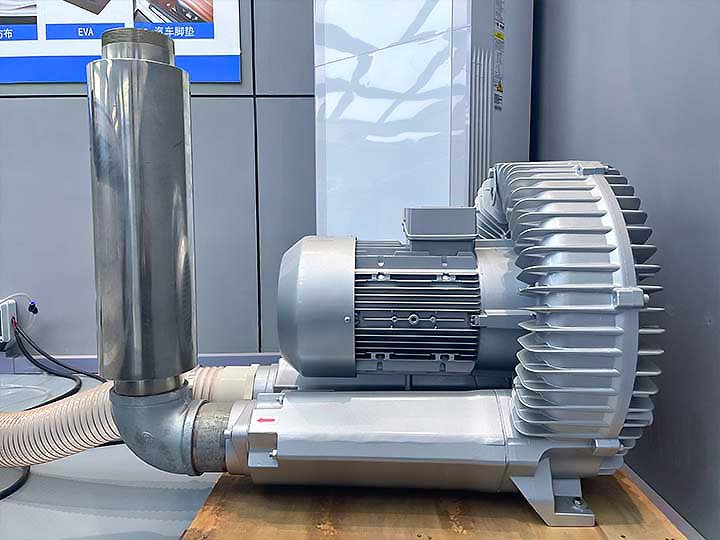
Fan equipment
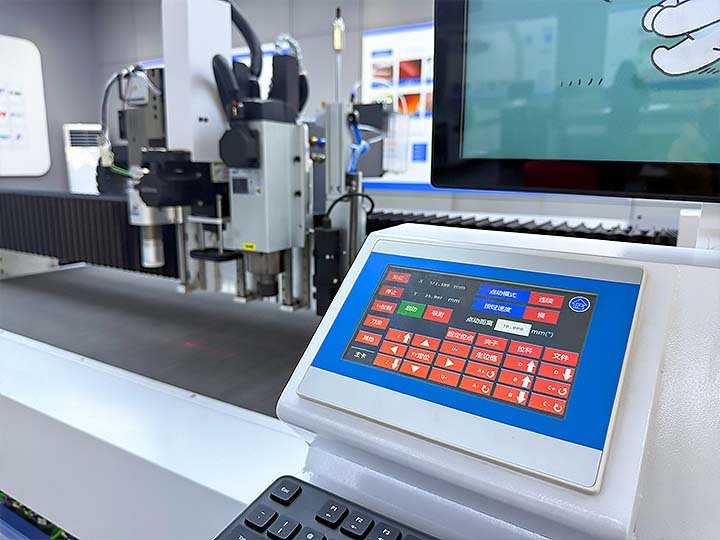
Multilingual operating system
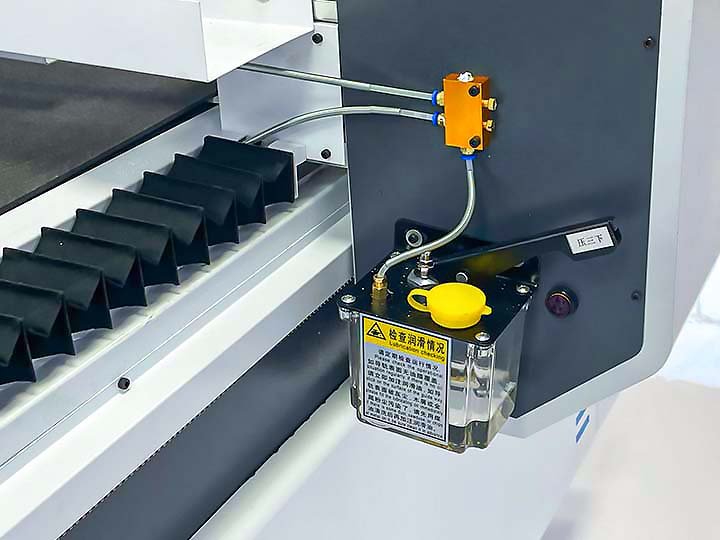
Oil pump
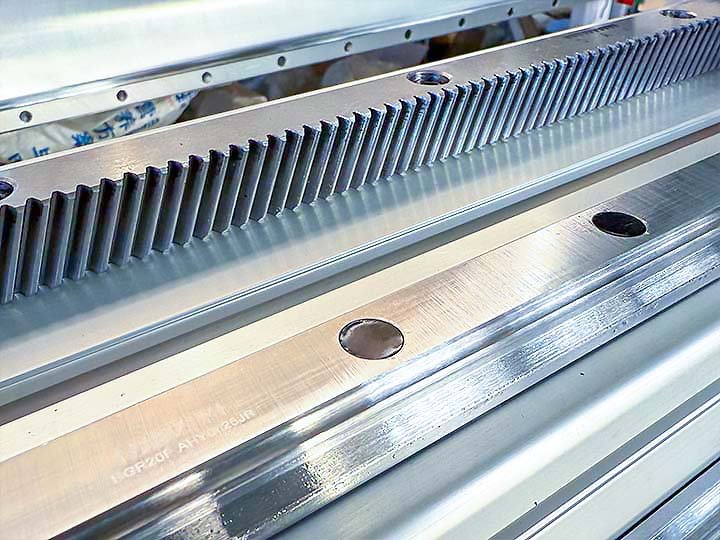
Rack
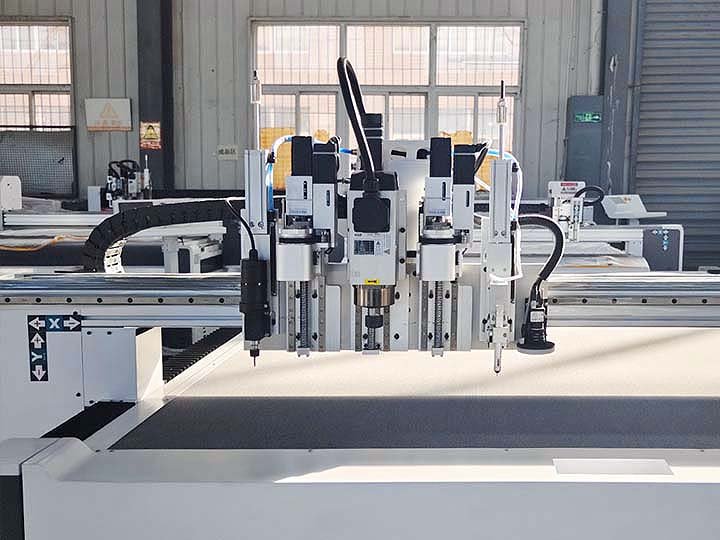
Multiple blade combinations
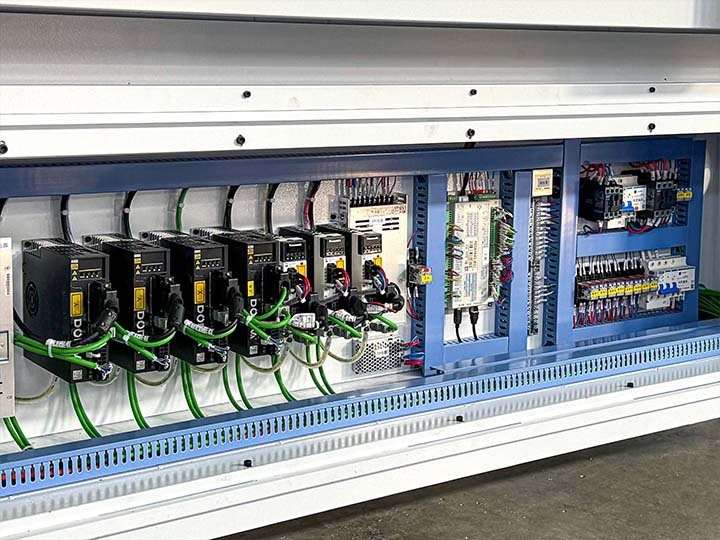
Servo driver
Felt
Aviation aluminum honeycomb panel
Why Choose an Oscillating Knife Cutter Instead of a Laser Cutting Machine for Foam?
For EVA, EPE, XPE, PU sponge, neoprene, packaging foam, and other foam materials, oscillating knife cutting offers several important advantages.
Laser cutting uses heat to melt or burn through materials. Depending on the foam composition, it may produce melted edges, discoloration, smoke, unpleasant odors, or potentially hazardous fumes. Heat may also change the foam structure and affect the appearance or fit of the finished component.
An oscillating knife cuts mechanically without generating cutting heat. It helps preserve the original foam structure and produces clean, natural edges without scorching or melting.
Compared with manual cutting, the Xingkai digital foam cutting machine automatically reads design files and combines intelligent nesting, vacuum adsorption, and precision cutting. This improves productivity while reducing manual errors and material waste.
Laser cutting may still be suitable for certain compatible thin materials or special engraving applications. However, oscillating knife cutting is generally a cleaner and more versatile option when cutting quality, material safety, and dimensional consistency are important.
Who Should Buy a Xingkai Digital Foam Cutting Machine?
Protective Packaging Manufacturers
Suitable for cutting customized packaging inserts, product trays, cushioning pads, corner protectors, electronic packaging, instrument cases, and equipment linings.
Tool Case and Equipment Case Manufacturers
Cuts foam inserts for tools, instruments, cameras, drones, electronic equipment, and protective transport cases.
Automotive Interior Manufacturers
Suitable for cutting seat foam, door-panel foam, headliner foam, sound insulation materials, sealing pads, floor components, and trunk liners.
Sound and Thermal Insulation Manufacturers
Processes acoustic foam, sound-absorbing panels, insulation foam, thermal pads, duct insulation, and vibration-damping components.
Furniture and Mattress Manufacturers
Cuts sofa foam, cushion components, mattress foam, backrest foam, protective padding, and furniture composite materials.
Sports and Fitness Product Manufacturers
Suitable for cutting protective pads, sports mats, helmet liners, fitness equipment padding, and customized EVA components.
Footwear and Bag Manufacturers
Processes EVA midsoles, insoles, shoe components, bag linings, reinforcement pads, and protective inserts.
Gasket and Industrial Component Manufacturers
Cuts foam gaskets, sealing strips, insulation pads, anti-vibration components, filter foam, and customized industrial parts.
Applicable materials
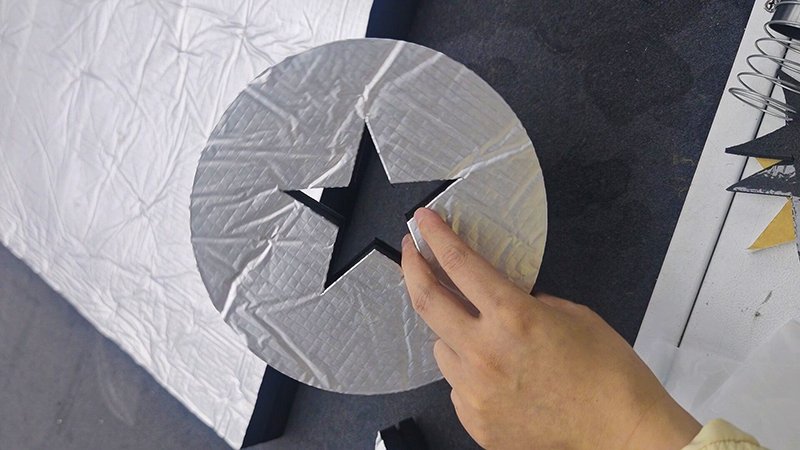
Thermal Insulation Foam
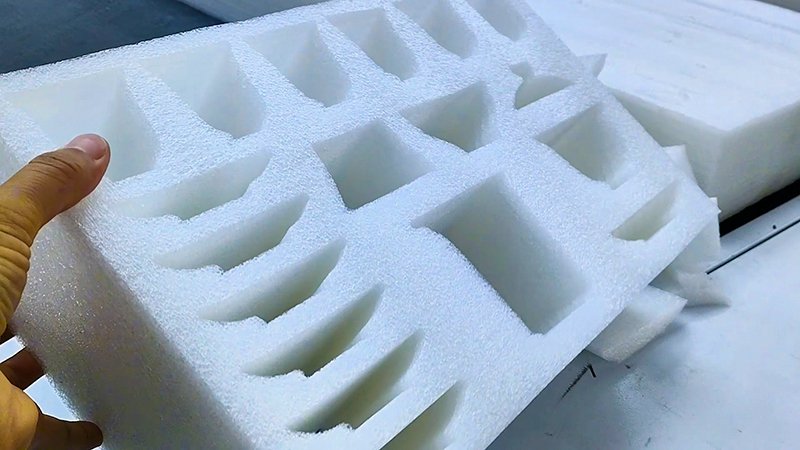
EPE Foam
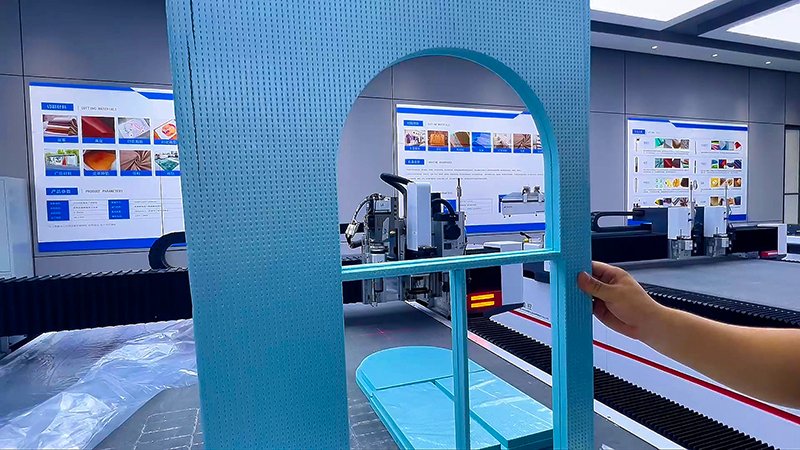
PE Foam
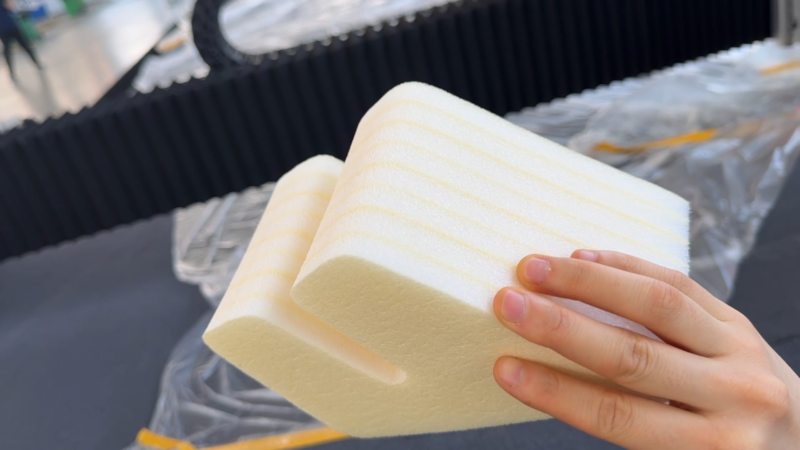
Sponge
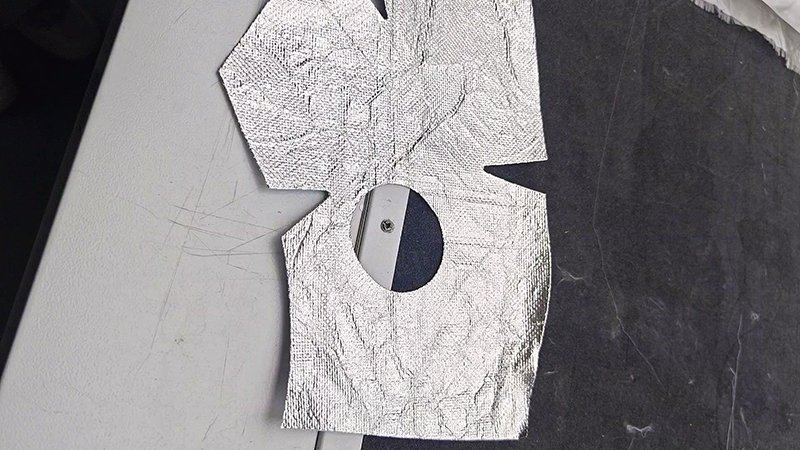
Insulated Bag
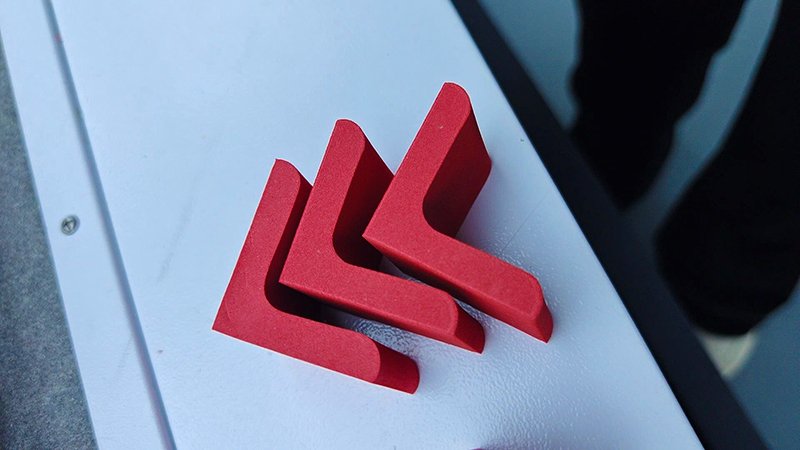
EVA
How to Choose a Xingkai Foam Cutting Machine
For fixed-size EVA, EPE, XPE, neoprene, packaging foam, and sponge sheets, a fixed-table model is compact and flexible. It is suitable for samples, customized inserts, industrial components, and small-batch production.
For roll foam or continuously supplied flexible materials, a conveyor cutting machine with an automatic feeding system can reduce manual handling and support continuous production.
For thin and medium-density foam, a standard oscillating knife usually provides efficient cutting. For thick, dense, or laminated foam, a pneumatic oscillating knife with a longer stroke and suitable blade is recommended.
For packaging inserts with angled grooves or three-dimensional assembly requirements, a V-cut tool may be added. For printed or pre-marked materials, a camera positioning system can be selected.
Machine configuration should be based on foam type, thickness, hardness, density, sheet size, cutting shape, and required daily output. Sample testing is recommended before confirming the final configuration.
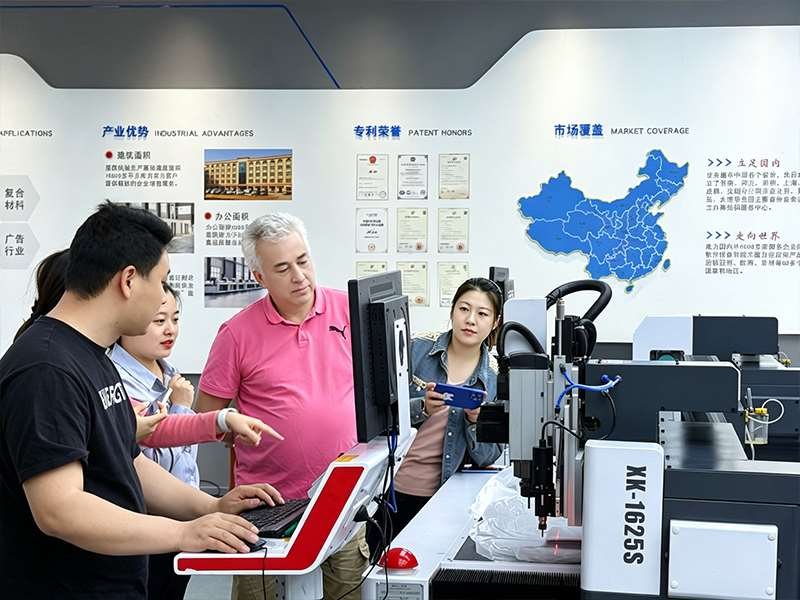
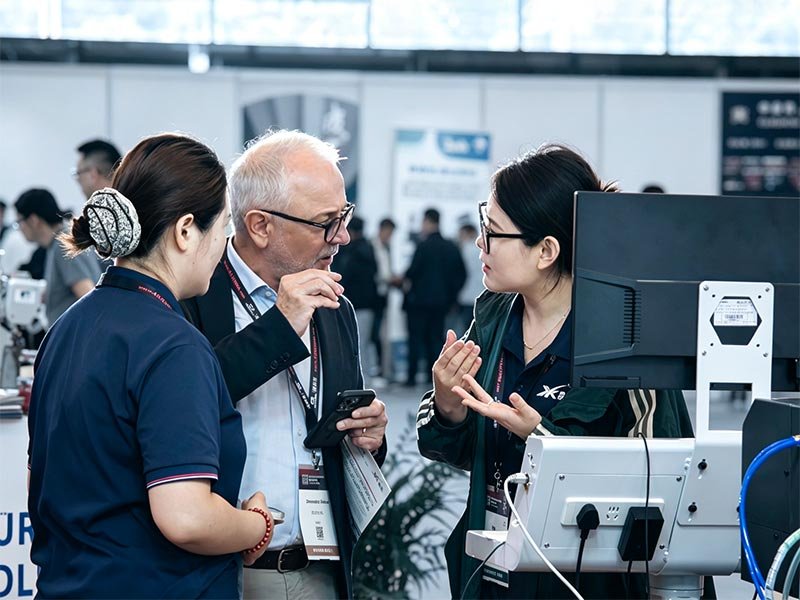
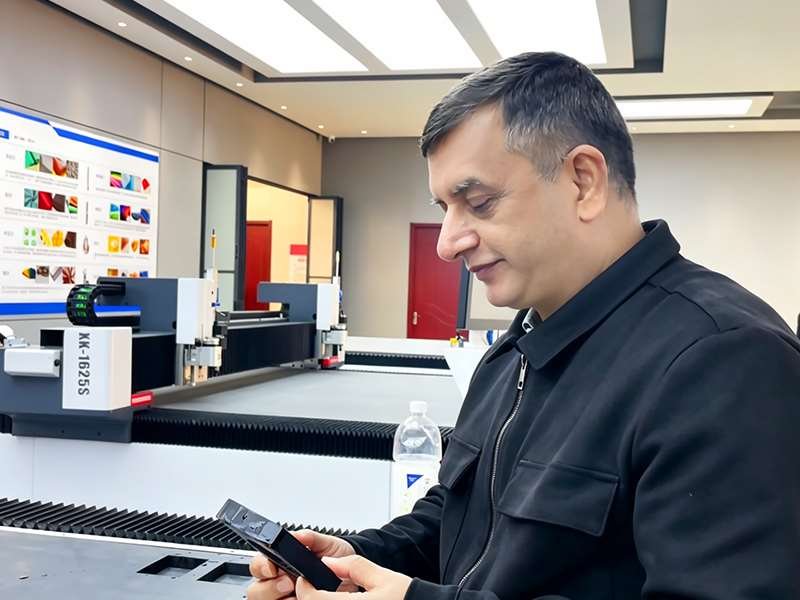
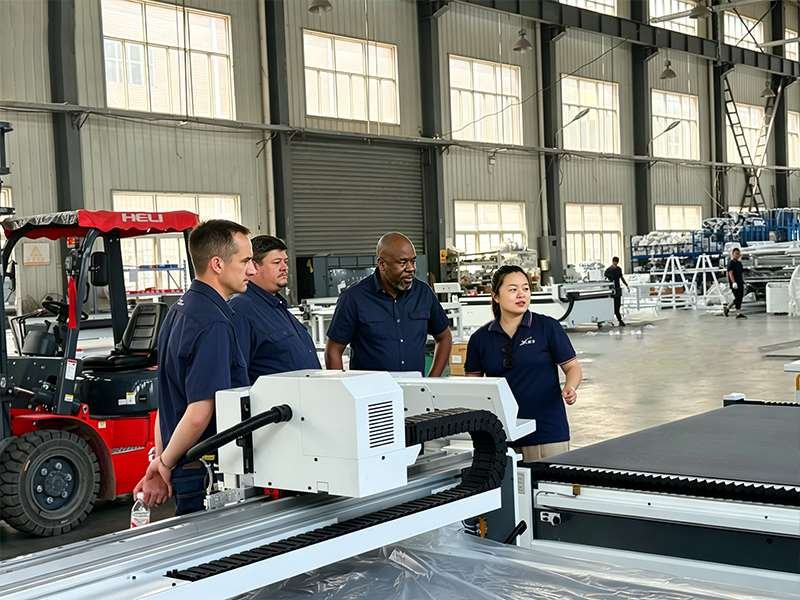
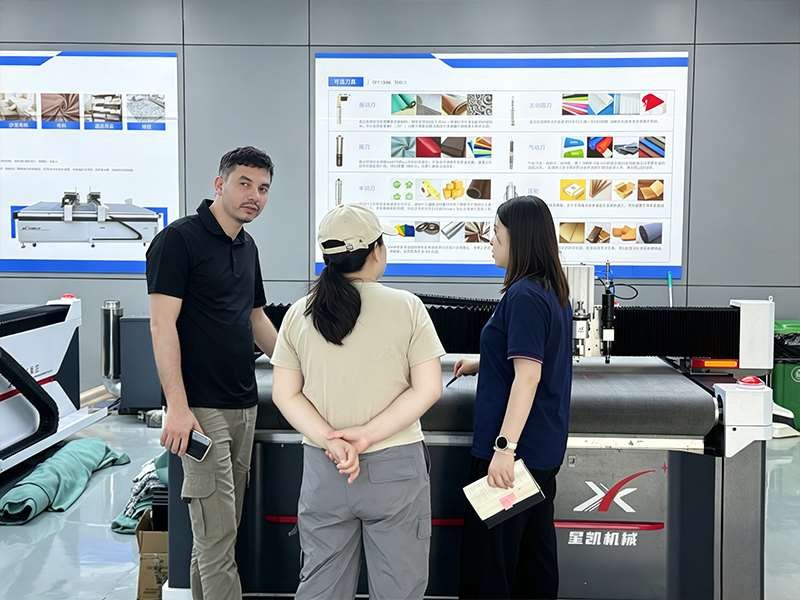
Recognition from customers

Frequently Asked Questions
What foam materials can the Xingkai oscillating knife cutting machine cut?
The machine can cut EVA foam, EPE pearl cotton, XPE foam, PE foam, PU sponge, neoprene foam, acoustic foam, insulation foam, packaging foam, filter foam, memory foam, rubber foam, and various laminated foam materials.
Because thickness, density, hardness, air permeability, and backing structure vary, customers are advised to send samples or provide material photos, thickness, density, and dimensions. The Xingkai technical team can arrange a cutting test and recommend the correct tool.
What is the maximum foam cutting thickness?
The maximum cutting thickness depends on foam type, density, hardness, blade length, tool stroke, and required cutting quality. Soft foam can generally be cut thicker than dense or reinforced foam.
Xingkai foam cutting machines can be configured for thick foam processing, including applications up to approximately 100 mm for suitable materials. The final cutting capacity should be confirmed through a test using the customer’s actual foam.
Can the machine cut holes and complex shapes?
Yes. The CNC system follows the imported design path and can cut straight lines, curves, circles, holes, slots, internal contours, and complex irregular shapes.
The minimum hole size and corner radius depend on blade width, foam thickness, density, and material deformation. Sample testing is recommended for very small or detailed parts.
Does foam cutting produce smoke or burnt edges?
No. The oscillating knife cuts mechanically without using laser heat. It avoids burnt edges, melting, scorch marks, smoke, and strong odors.
Some foam materials may produce a small amount of dust or debris. Regular cleaning of the cutting table and vacuum system is recommended.
How does the machine hold soft foam during cutting?
The machine uses a vacuum adsorption table to stabilize the material. Vacuum zones, airflow, covering film, and cutting parameters can be adjusted according to foam density and air permeability.
For very soft or highly porous sponge, auxiliary fixing methods and optimized cutting speeds may be required.
Can the machine cut multiple layers of foam?
Yes, but suitability depends on foam thickness, density, hardness, compressibility, surface friction, and required accuracy. Thin foam sheets can often be stacked, while thick, soft, or slippery foam may be more suitable for single-layer cutting.
Machine selection should be based on total compressed thickness and actual cutting results rather than the number of layers alone.
Which design files does the Xingkai digital foam cutting machine support?
The machine supports standard formats such as DXF and PLT and can work with commonly used CAD and nesting software. Compatibility with other formats can be confirmed according to the customer’s existing software.
After importing the design, the system can perform automatic nesting and cutting-path planning to improve material utilization and reduce manual work.
Does the machine require cutting dies?
No. Designs can be modified on a computer and imported directly into the cutting system. Different shapes and sizes can be changed quickly without producing new dies.
This makes the machine suitable for prototypes, customized packaging, small-batch orders, and high-mix production.
How often should the blade be replaced?
Blade life depends on foam composition, thickness, density, hardness, backing layer, cutting speed, pattern complexity, and daily operating time. Standard soft foam causes relatively low blade wear, while abrasive fillers, rubber layers, and reinforced composites may wear blades more quickly.
Operators should inspect the blade tip and cutting quality regularly. Replace the blade when edges become rough, corners lose accuracy, the foam is pulled, or the material is no longer cut completely.
Can I test my foam before purchasing?
Yes. Customers can send foam samples to Xingkai for cutting tests. We can provide cutting videos and finished sample results.
To recommend the correct configuration, please provide:
Material | Thickness | Density or Hardness | Sheet Size | Cutting Shape | Daily Production
Jinan Xingkai Machinery Equipment Co., Ltd. specializes in digital cutting solutions for flexible materials. We provide suitable machine sizes, vacuum configurations, cutting tools, and optional camera systems for packaging, tool cases, automotive interiors, sound insulation, furniture, footwear, sports products, gaskets, and industrial foam manufacturers.