Work Hours
Monday to Friday: 7AM - 7PM
Weekend: 10AM - 5PM
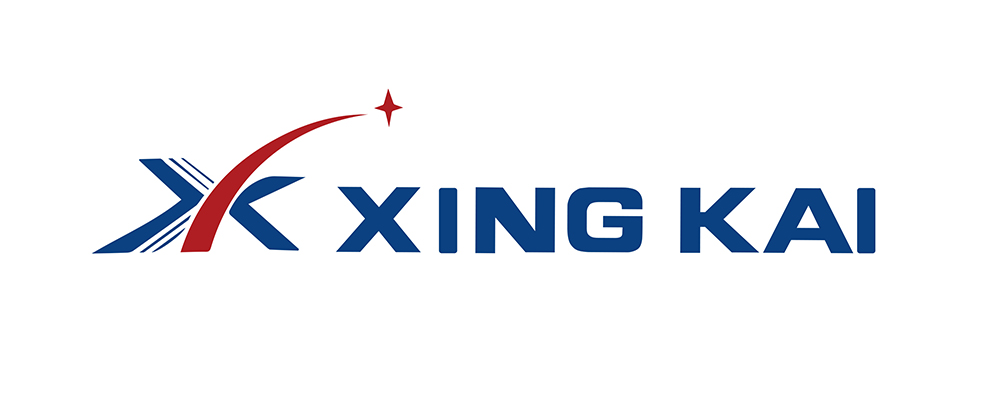
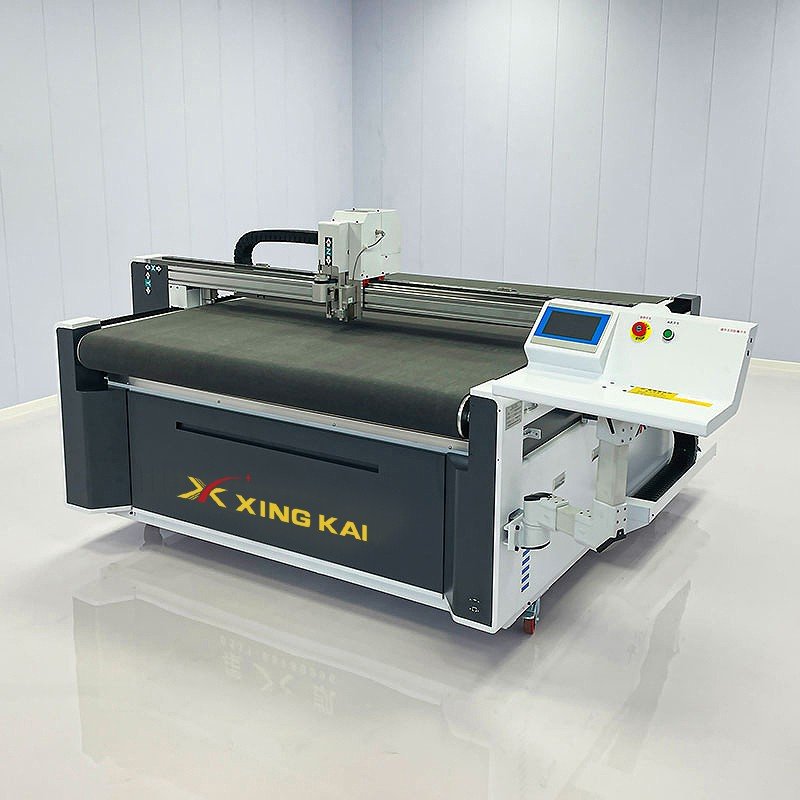
XK1615 1600×1500mm Automatic CNC Car PPF and Window Tint Film Cutting Machine
Brand
XINGKAI
Manufacturer
Jinan Xingkai Machinery Equipment Co., Ltd.
Working Area
1600mm × 1500mm
Rating
★★★★★ 4.8 / 5 (2 reviews)
Service
Meets CE quality and safety standards; two-year limited warranty on the entire machine.
Delivery Time
We have stock available; standard delivery time is 3–7 days. Custom orders are made according to actual needs.
Request a Quote
Xingkai automotive film cutting machines are digital CNC cutting systems designed for precision cutting and kiss cutting of automotive window tint, paint protection film, vinyl wrap, color-change film, and related adhesive-backed materials.
The machine uses a CNC control system, vacuum adsorption table, precision servo drive, and adjustable kiss-cut tool. It cuts the upper film layer while retaining the release liner when required. No cutting dies are needed. Operators can import vehicle-film patterns, modify dimensions, and process samples, customized orders, or batch jobs directly from digital files.
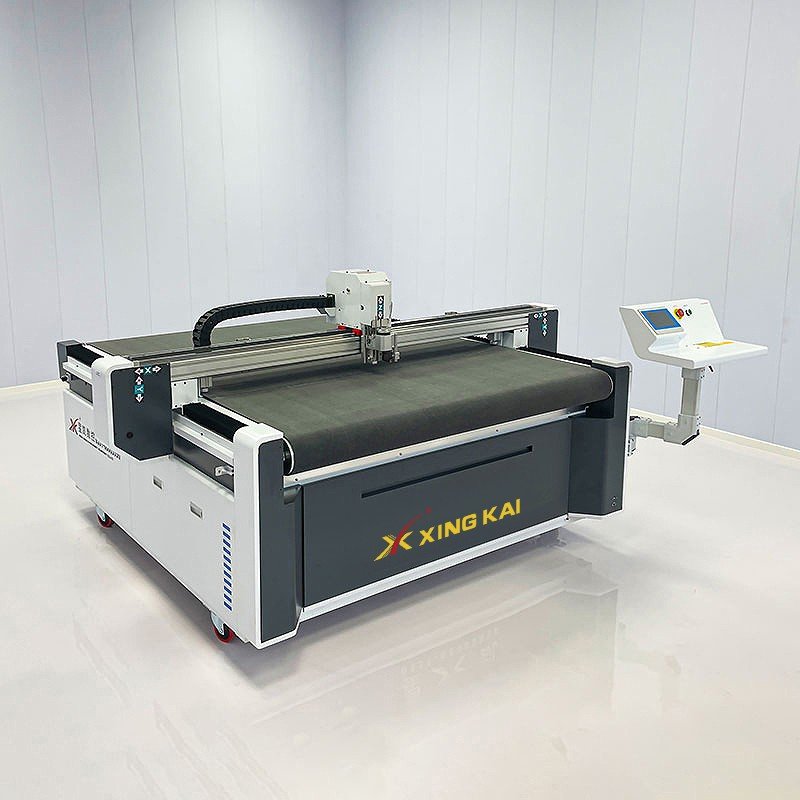
The machines are suitable for automotive film distributors, PPF manufacturers, window-tint suppliers, vehicle wrapping shops, car-accessory companies, and businesses that prepare pre-cut installation kits for different vehicle models.
Depending on the application, it may also be referred to as a car window tint cutting machine, PPF cutting machine, paint protection film cutter, vinyl wrap cutting machine, automotive film plotter, or CNC kiss-cutting machine.
Automotive Film Cutting Machine Specifications
Cutting pressure, blade depth, vacuum strength, and positioning configuration should be selected according to the actual film and liner.
| Parameter | Specification |
|---|---|
| Effective Cutting Area | Multiple working sizes available; customizable upon request |
| Cutting Materials | Window tint film, PPF, TPU film, vinyl wrap, color-change film, reflective film and adhesive-backed film |
| Cutting Method | Kiss cutting or through cutting according to material requirements |
| Cutting Speed | Up to 1800 mm/s; actual speed depends on film, liner and cutting pattern |
| Material Fixing Method | Vacuum adsorption |
| Cutting Accuracy | +/-0.1 mm under suitable operating conditions |
| Compatible File Formats | DXF, HPGL |
| Working Voltage | AC 220V/380V +/-10%, 50Hz |
| Transmission System | Servo motor drive and precision linear guide rails |
| Operation Interface | Touchscreen |
| Standard Cutting Tool | Kiss-cut tool or drag knife |
| Optional Tools | Oscillating knife, marking pen and punching tool |
| Optional Functions | Automatic nesting, projection positioning, CCD camera recognition and roll feeding |
Available Models
| Model | Recommended Application |
|---|---|
| XK-7010 | Film samples, small parts and compact workshop use |
| XK-1212 | Customized film kits and flexible small-batch production |
| XK-1610 | Automotive window film, PPF and vinyl cutting |
| XK-1615 | Multi-part nesting and regular automotive film production |
| XK-1625 | Larger film patterns, roll materials and higher production requirements |
| Custom Model | Customized according to film width, pattern format, workshop space and required output |
Recommended Cutting Tools
| Cutting Tool | Suitable Materials | Main Function |
|---|---|---|
| Kiss-Cut Tool | PPF, window tint, vinyl wrap and adhesive-backed film | Cuts the upper film layer without cutting through the release liner |
| Drag Knife | Thin automotive film and vinyl materials | Provides fast contour cutting with adjustable blade depth |
| Oscillating Knife | Thicker protective sheets and selected flexible composites | Provides through cutting for materials unsuitable for kiss cutting |
| Marking Pen | Film kits and installation templates | Adds part numbers and installation references where applicable |
| Punching Tool | Selected templates and auxiliary materials | Produces positioning or process holes when required |
Recommended Tool Configurations
| Application | Recommended Configuration |
|---|---|
| Paint protection film | Kiss-Cut Tool + Vacuum Adsorption |
| Automotive window tint | Drag Knife or Kiss-Cut Tool |
| Vinyl vehicle wrap | Kiss-Cut Tool + Automatic Nesting |
| Printed automotive film | Kiss-Cut Tool + CCD Camera |
| Pre-cut vehicle film kits | Kiss-Cut Tool + Vehicle Pattern Software |
| Roll-fed film production | Kiss-Cut Tool + Roll Feeding System |
| Thick protective sheet | Oscillating Knife after sample testing |
Optional blades and accessories
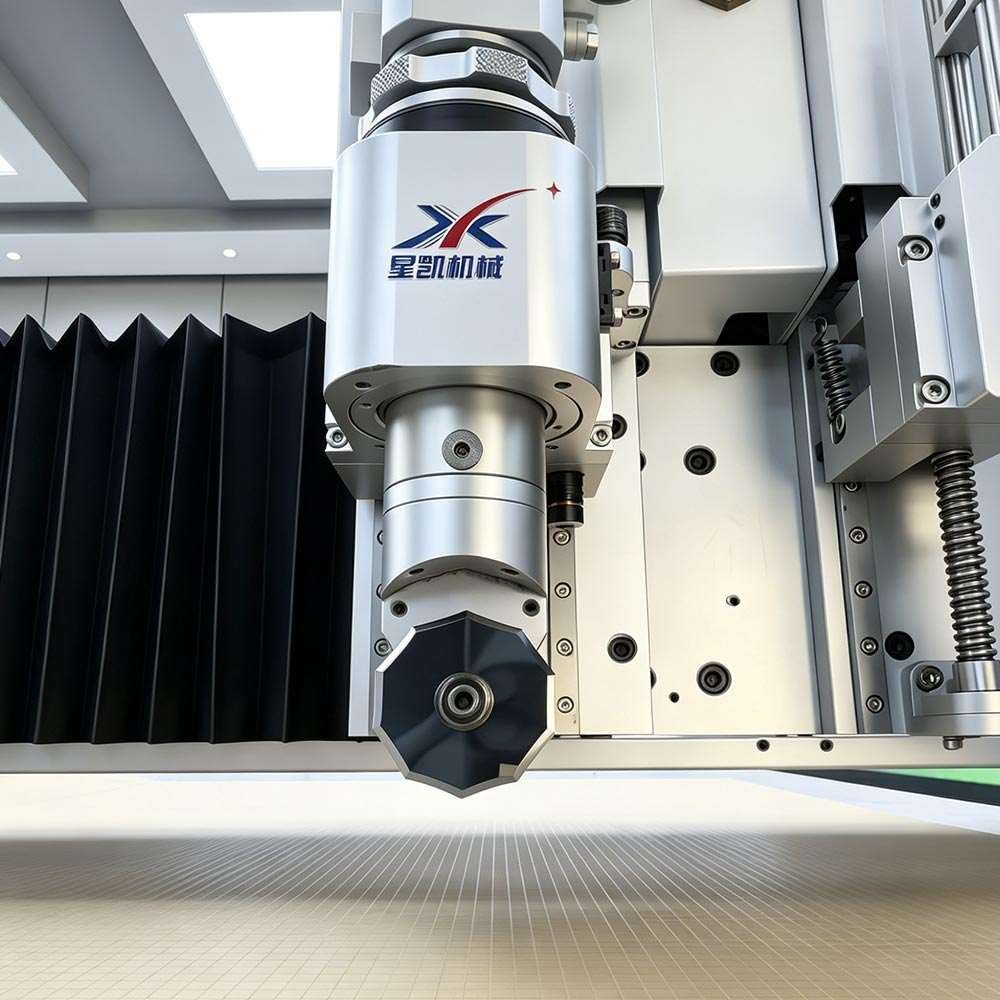
Round knife
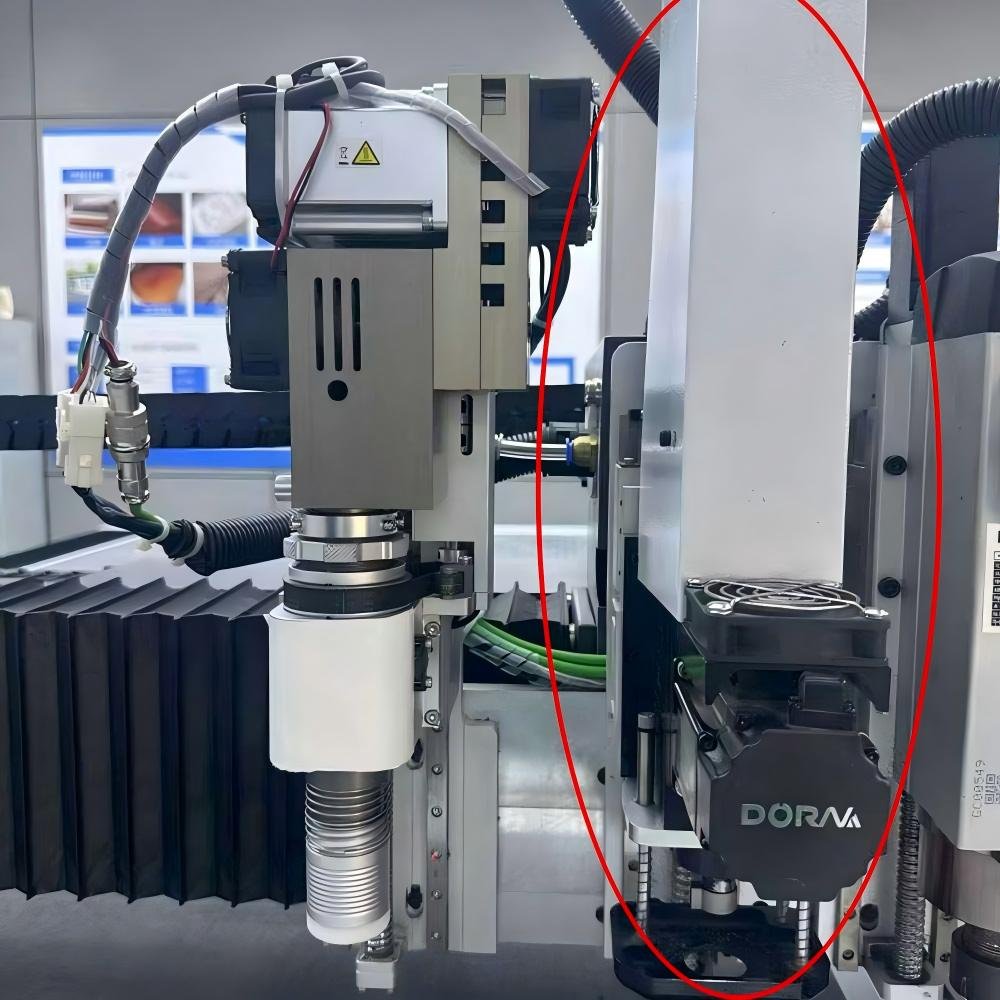
400W high power
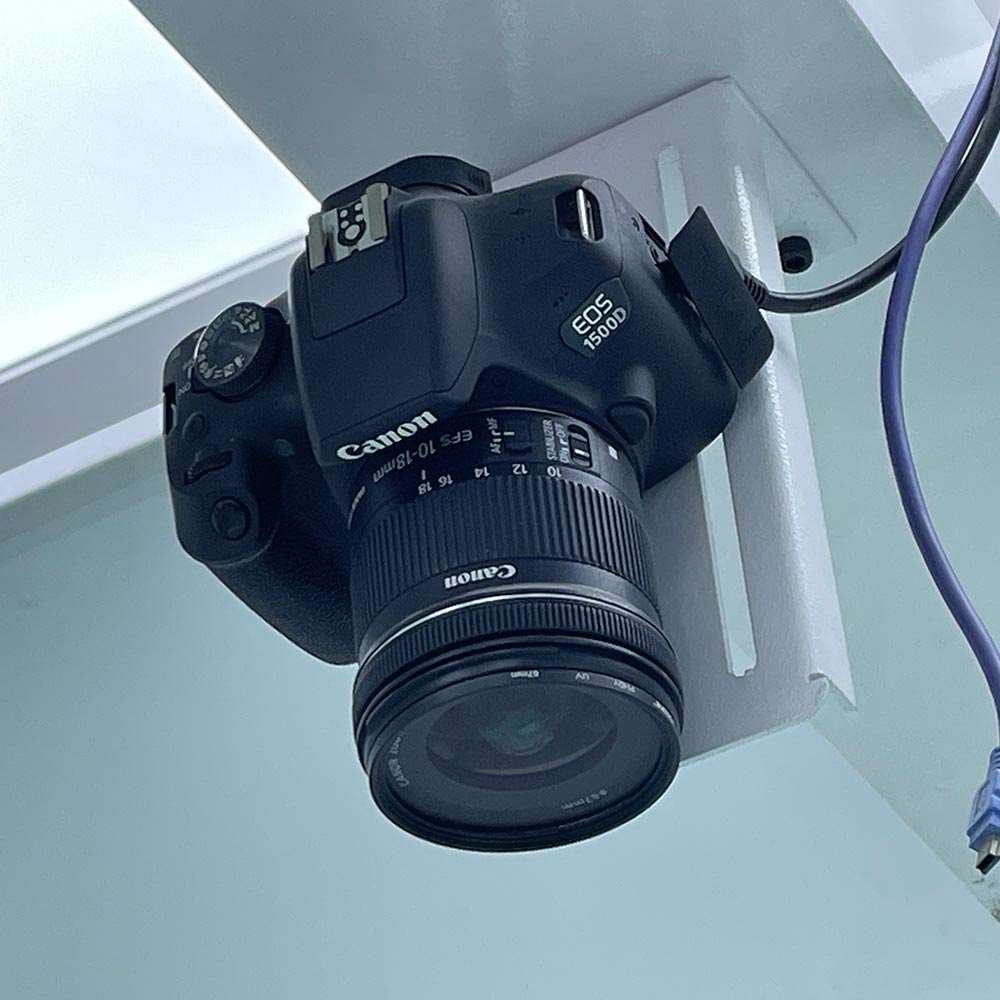
Camera
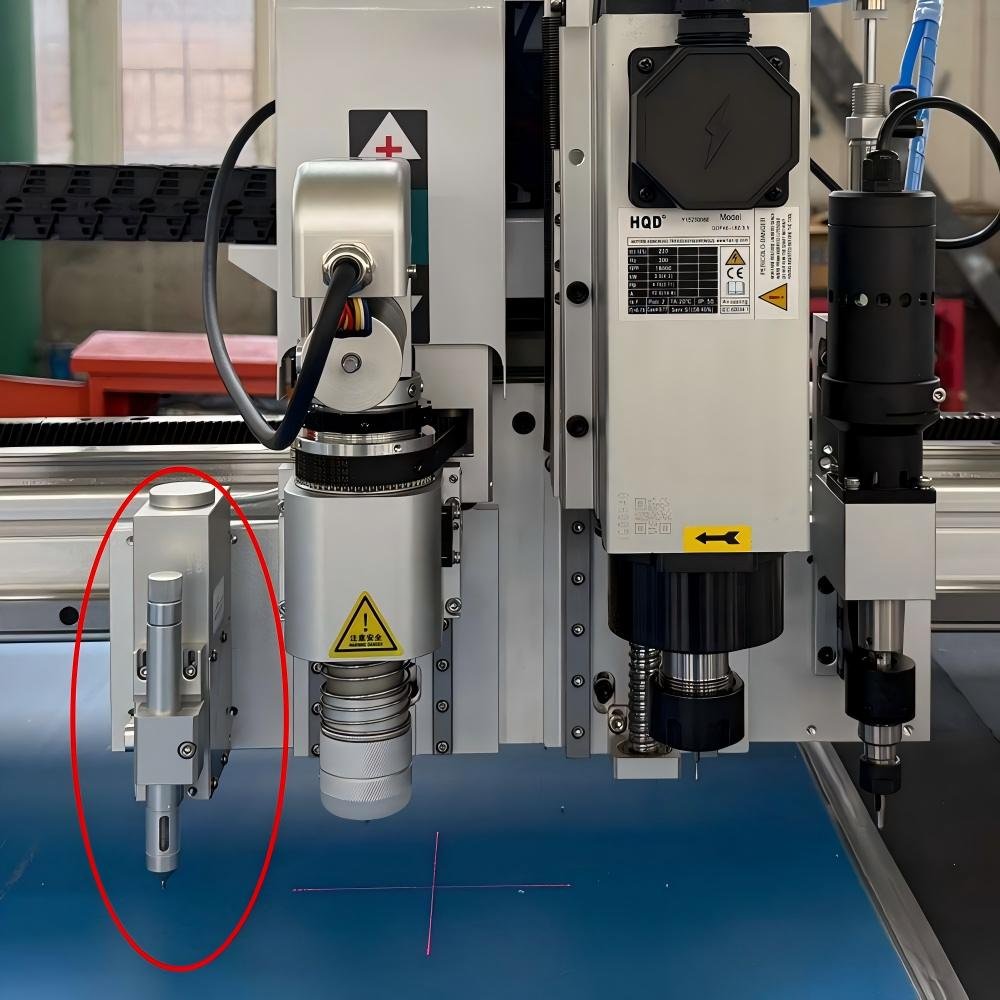
Marco Pen
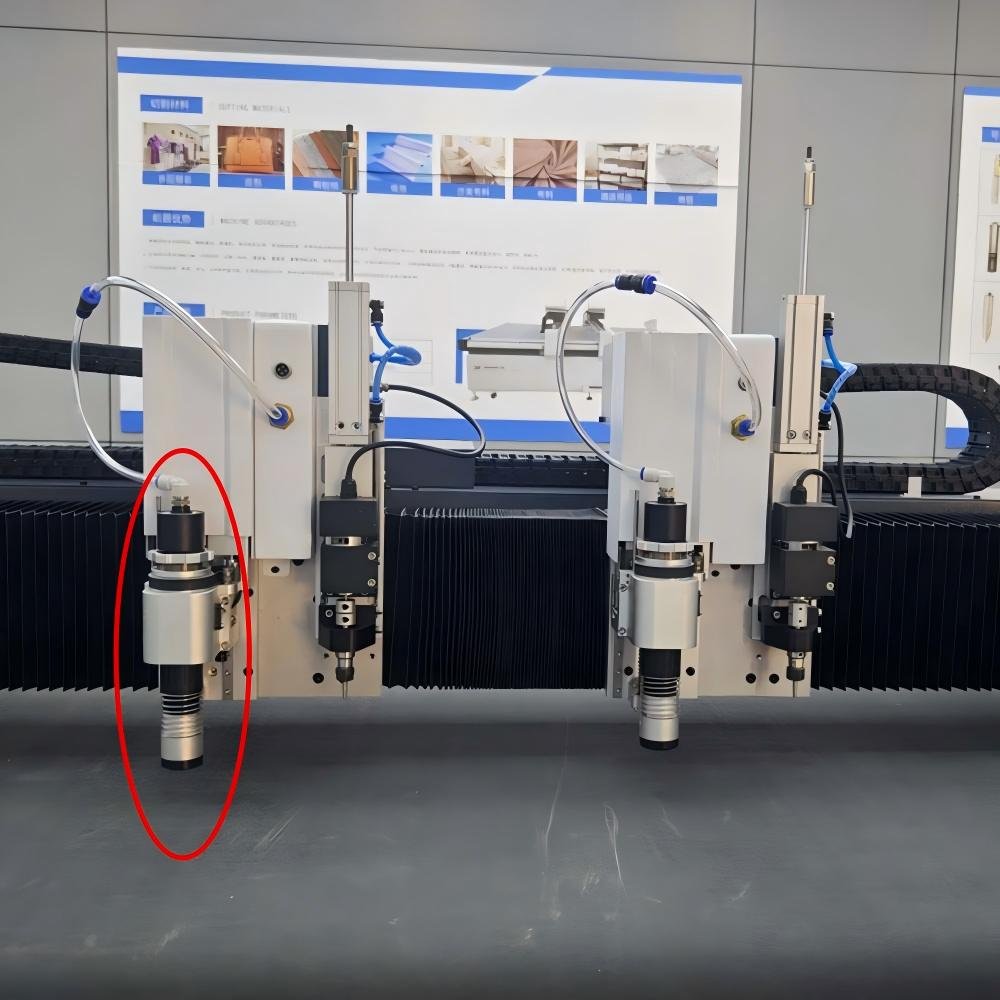
Pneumatic knife
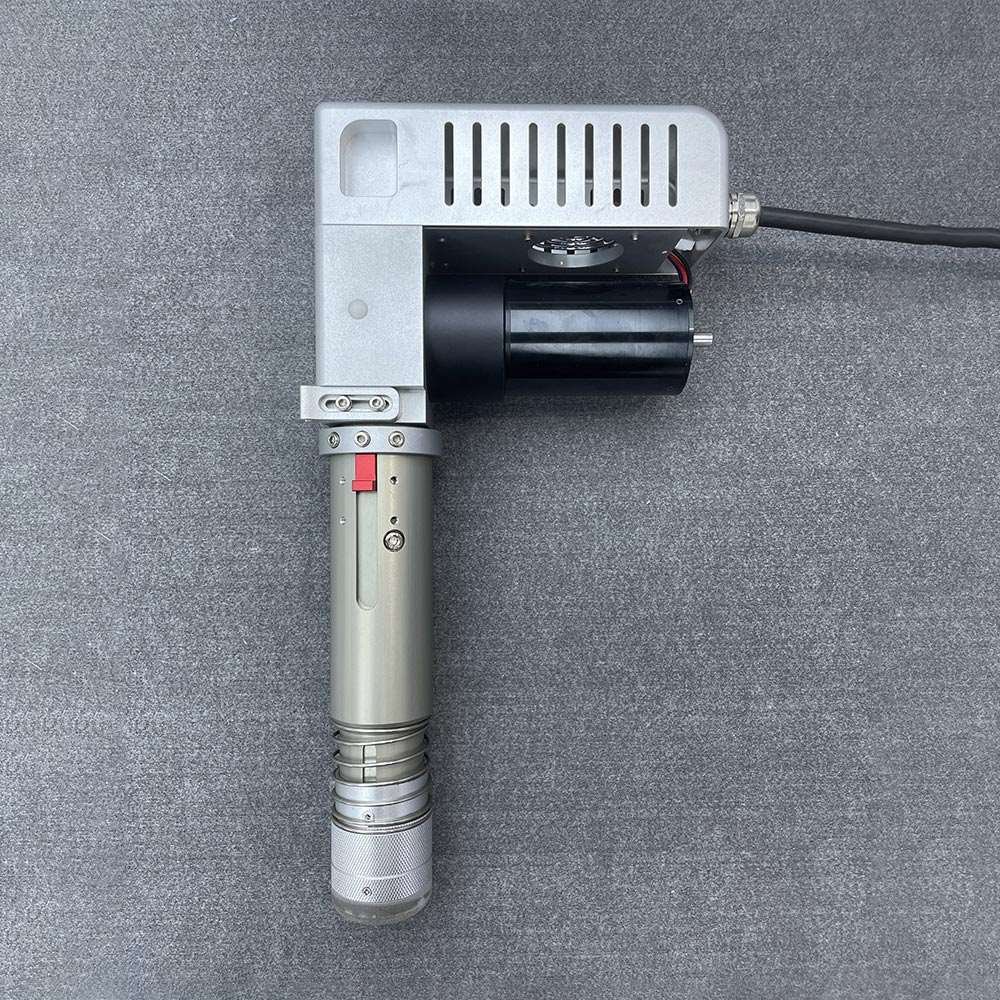
Vibrating knife
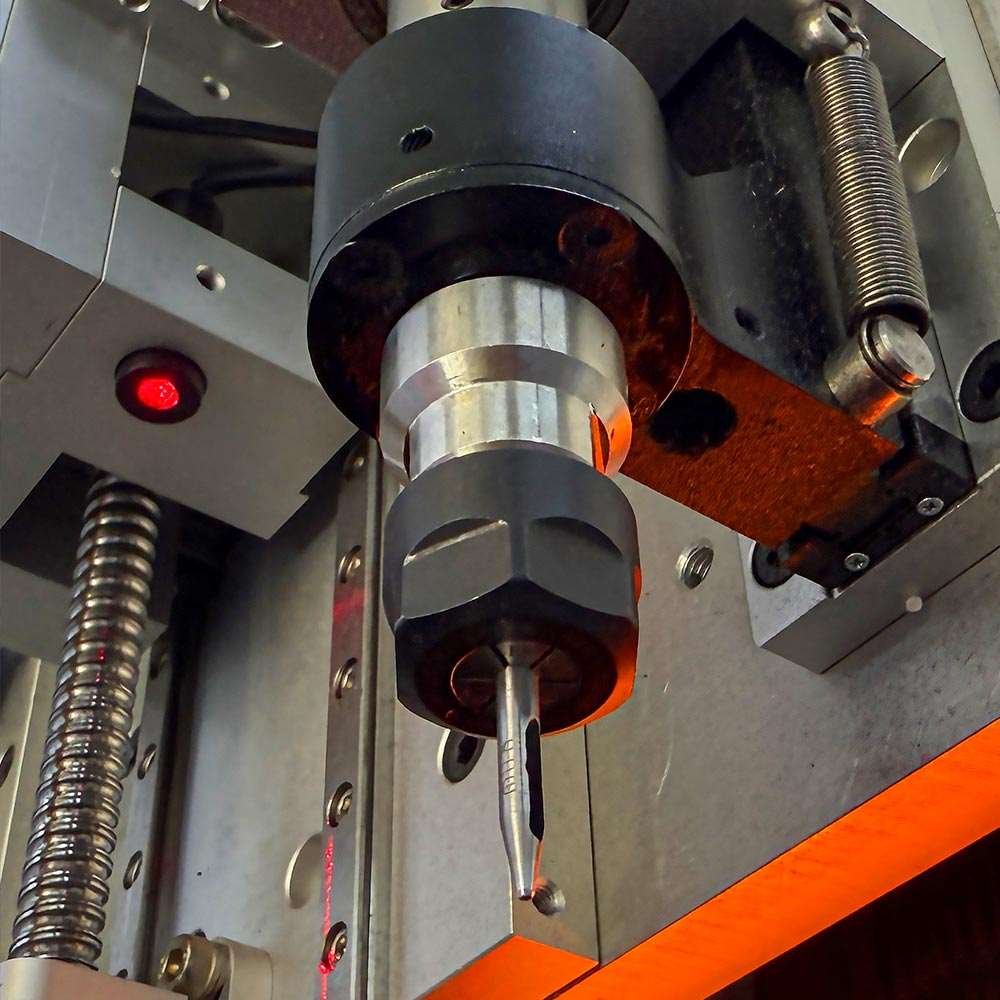
Punching
Why Choose a CNC Automotive Film Cutting Machine?
Automotive film must be cut accurately without damaging the release liner or scratching the finished surface. Manual cutting depends heavily on operator skill and may cause uneven edges, incorrect dimensions, wasted film, or damage to vehicle paint and glass during installation.
The machine uses digital vehicle patterns and adjustable blade pressure. The kiss-cut tool can cut the film layer while retaining the backing liner, allowing installers to remove pre-cut parts when needed.
Vacuum adsorption holds the film flat during cutting. CNC motion control follows the imported design file to process curves, corners, mirror shapes, window-film patterns, door-protection sections, hood pieces, and other vehicle-specific contours.
Digital nesting arranges different film parts according to material width and pattern shape, helping reduce offcuts. Vehicle models and film-kit sizes can be changed without producing cutting dies.
Advantages of the Automotive Film Cutting Machine
Precise Kiss Cutting
Adjustable blade depth and pressure allow the machine to cut the upper film layer without cutting through the backing liner when properly configured.
No Cutting Dies Required
Different vehicle models and film patterns are processed from digital files, reducing tooling costs and setup time.
Improved Installation Safety
Pre-cut film kits reduce the need to use knives directly on vehicle paint, glass, headlights, or trim during installation.
High Material Utilization
Nesting software arranges film patterns according to roll or sheet width, reducing offcuts and unnecessary material loss.
Fast Vehicle-Model Changes
Operators can select another design file to switch between different vehicle models, body sections, and film-kit specifications.
Clean Cutting Edges
Mechanical blade cutting produces no laser heat, burnt edges, melting, smoke, or discoloration.
Suitable for Sheets and Rolls
The machine can process fixed-size film sheets and can be equipped with a feeding system for roll materials.
Machine details and key components
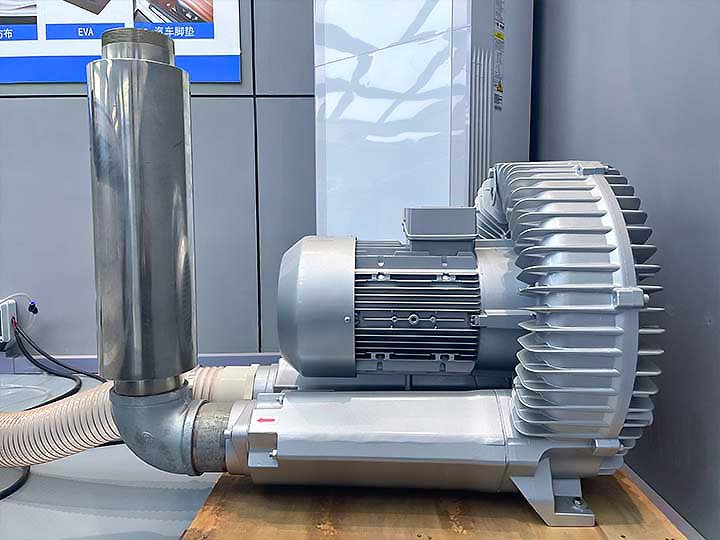
Fan equipment
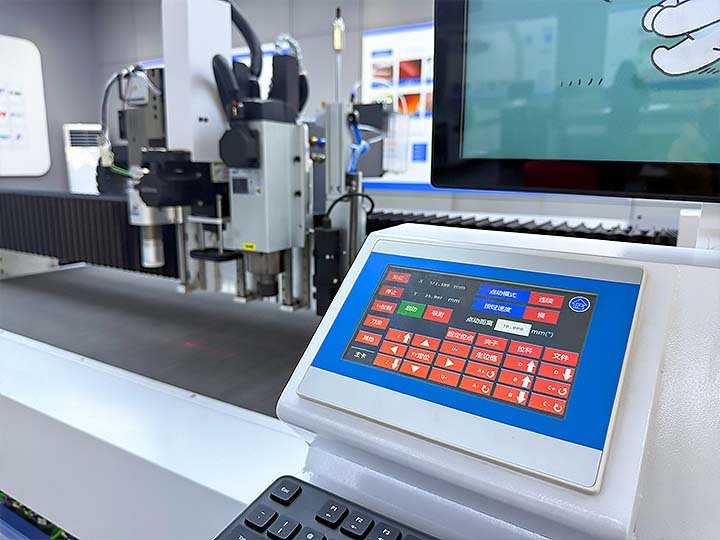
Multilingual operating system
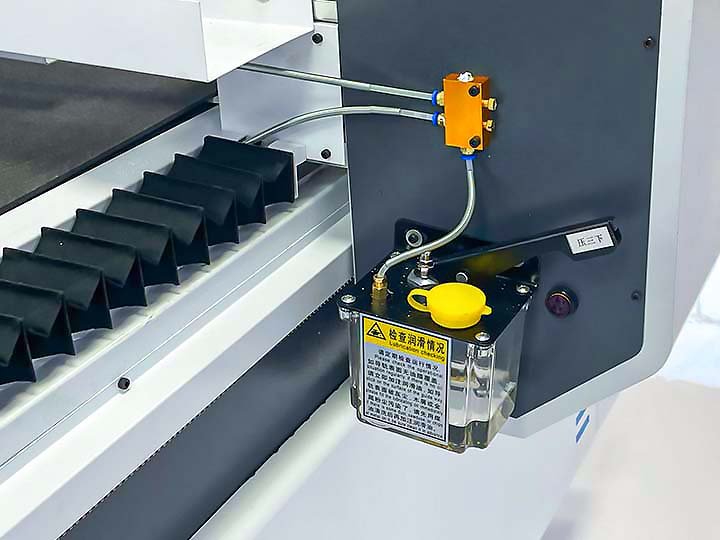
Oil pump
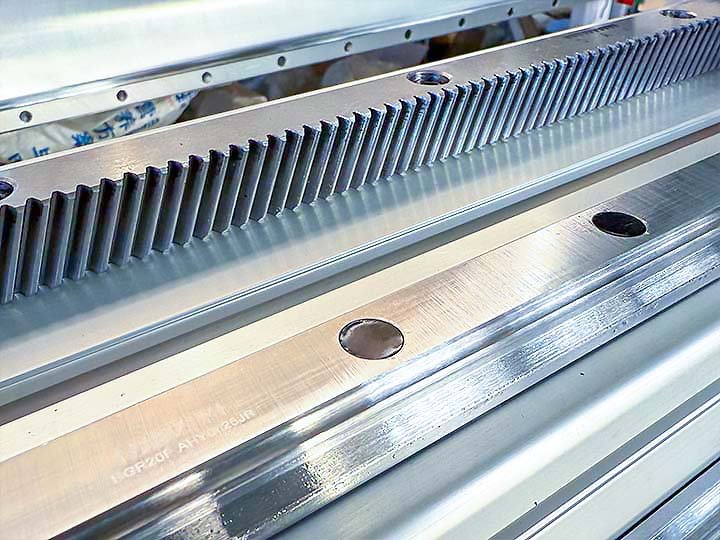
Rack
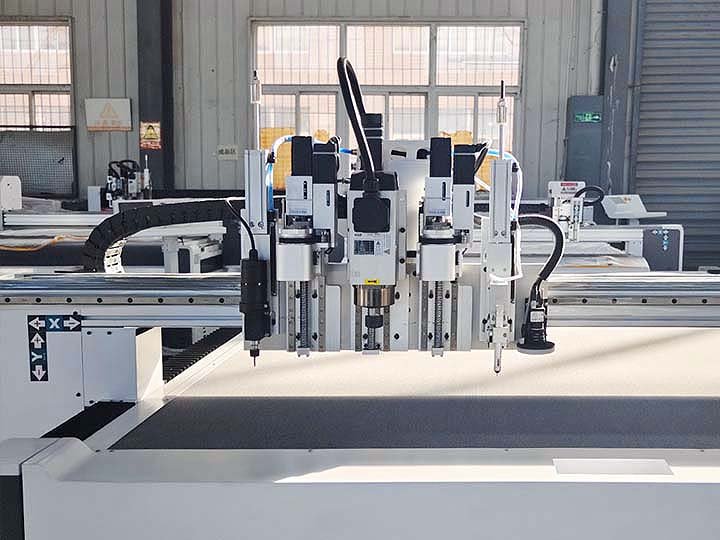
Multiple blade combinations
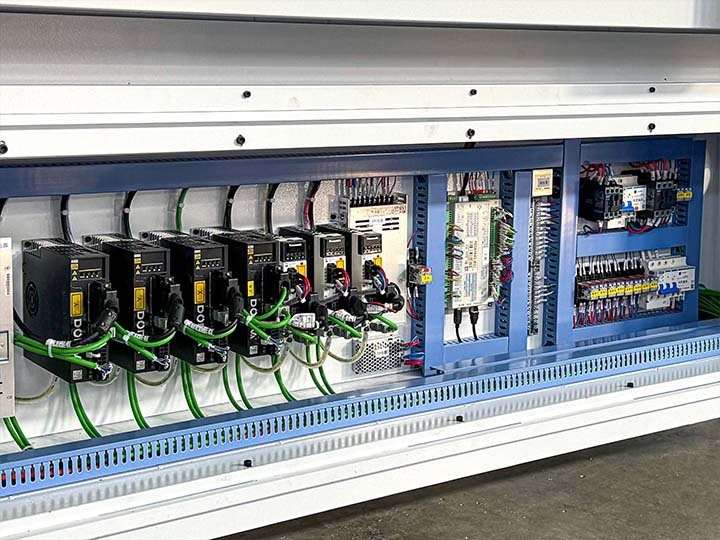
Servo driver
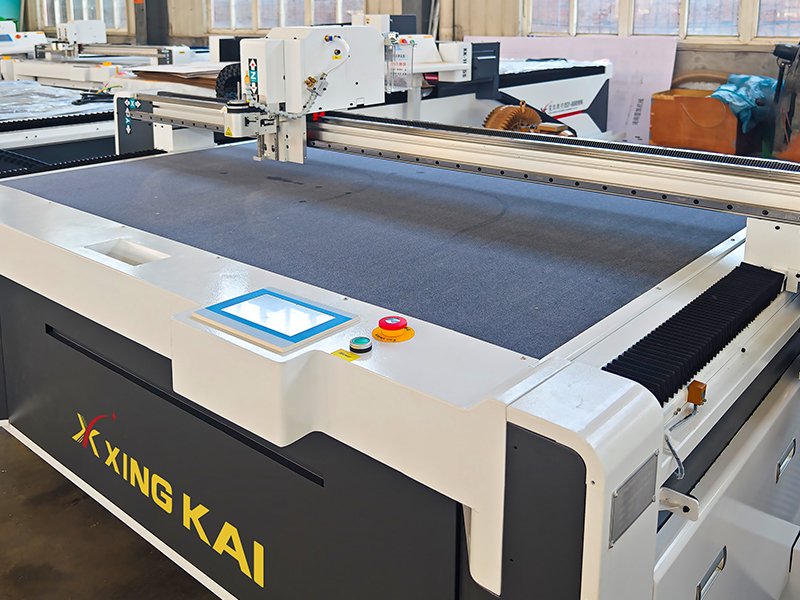
Felt
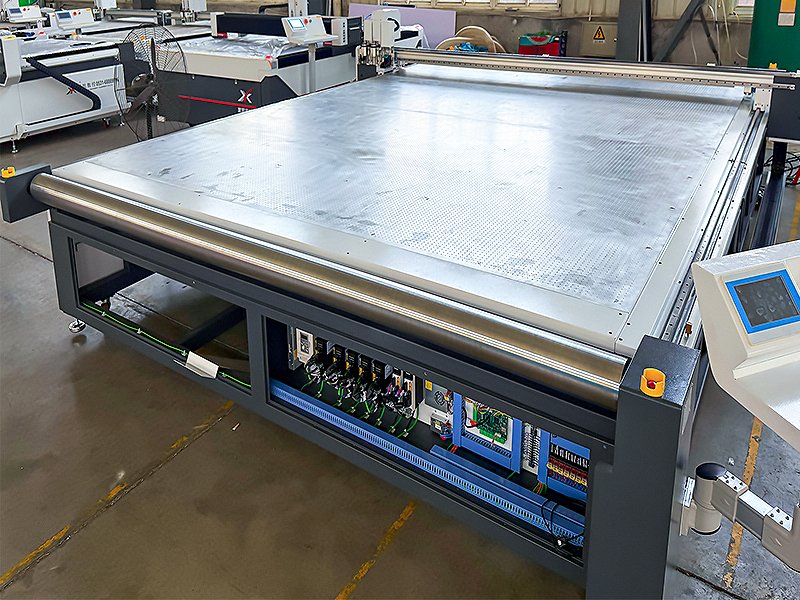
Aviation aluminum honeycomb panel
Key Features
Precision Kiss-Cut Control
Blade depth, cutting pressure, speed, and acceleration can be adjusted according to film thickness and liner structure.
Vacuum Adsorption Table
The vacuum system holds thin film flat and reduces movement, lifting, and contour deviation.
Servo Drive System
Servo motors and precision guide rails provide smooth movement and repeatable contour cutting.
Digital Vehicle Pattern Workflow
The system supports DXF and HPGL files and can work with compatible vehicle-template and nesting software.
Optional Camera Recognition
A CCD camera can recognize printed registration marks or contours for printed automotive film.
Multiple Working Sizes
Different working sizes and table configurations are available for film shops, sampling, customized installation kits, roll materials, and automotive film components of different formats.
Stable Industrial Operation
The industrial frame, precision guide rails, servo drive, CNC control system, and automatic lubrication design support repeatable cutting and long-term operation.
The machine can be configured according to film type, thickness, surface coating, backing-liner structure, roll width, and production method. A kiss-cut tool is recommended for PPF, window tint, vinyl wrap, color-change film, and other adhesive-backed products. A CCD camera can be added for printed film or materials with registration marks, while a roll-feeding system supports continuous production.
If you are unsure which configuration is suitable, please provide the film type, film thickness, liner thickness, roll width, maximum pattern size, design file, and daily output. Material testing is recommended before blade type, cutting pressure, and feeding settings are finalized.
Applicable materials
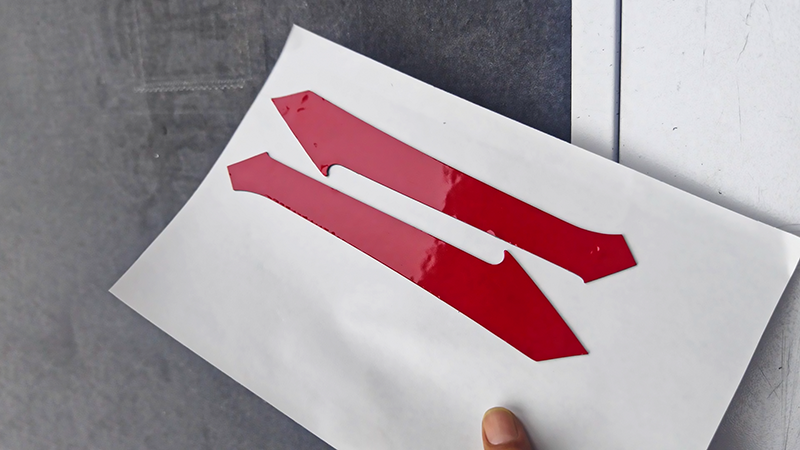
Car stickers
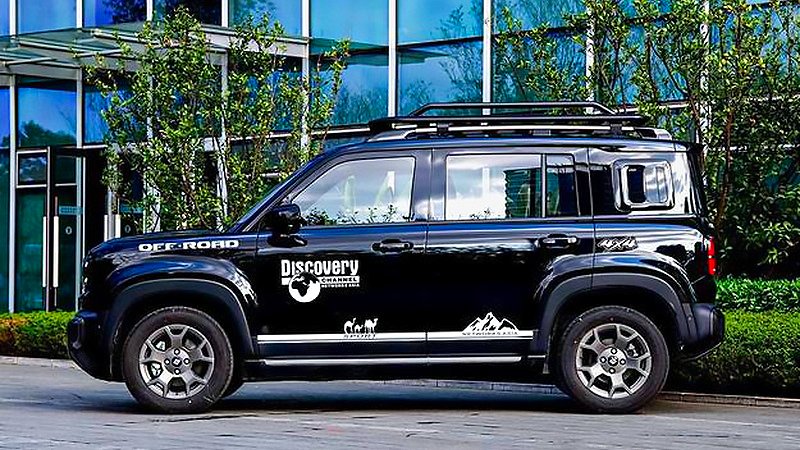
Car cover
Why Use Blade Cutting Instead of Laser Cutting for Automotive Film?
Laser cutting uses heat, which may melt film edges, damage coatings, deform thin material, or create fumes depending on the film composition.
Blade cutting is a cold mechanical process. It preserves the original film surface and allows controlled kiss cutting without damaging the backing liner. This is important for PPF, window tint, vinyl wrap, and adhesive-backed film products.
Who Should Buy This Machine?
PPF Manufacturers and Distributors
Suitable for producing vehicle-specific paint protection film kits for hoods, doors, mirrors, bumpers, headlights, fenders, and interior trim.
Window-Tint Suppliers and Installers
Cuts accurate window-film patterns and reduces repeated manual trimming during installation.
Vehicle Wrapping Shops
Processes vinyl wrap, color-change film, decorative film, and protective film for customized vehicle projects.
Pre-Cut Film Kit Producers
Uses stored vehicle templates to prepare standardized film kits for different brands, models, and body sections.
Car-Detailing and Automotive Accessory Companies
Suitable for customized orders, local film-kit production, sampling, and repeat orders with frequent vehicle-model changes.
How to Choose the Correct Configuration
For PPF, window tint, vinyl wrap, and color-change film, use a kiss-cut tool or drag knife with adjustable blade depth. For printed film, add a CCD camera. For roll materials, add a feeding system selected according to roll width and material tension.
The final configuration should be based on film type, thickness, liner thickness, sheet or roll format, maximum pattern size, printed-mark recognition requirements, and daily output. Cutting tests should confirm blade type, pressure, speed, and whether the liner remains intact.
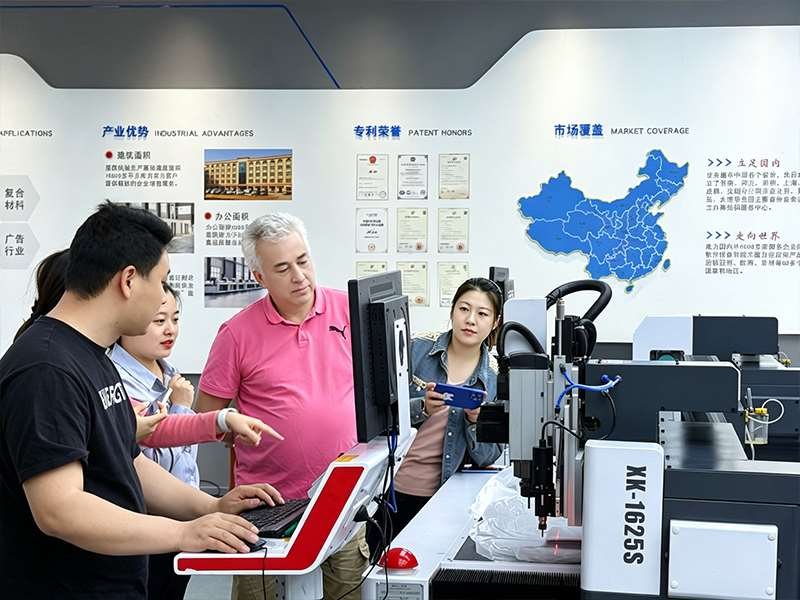
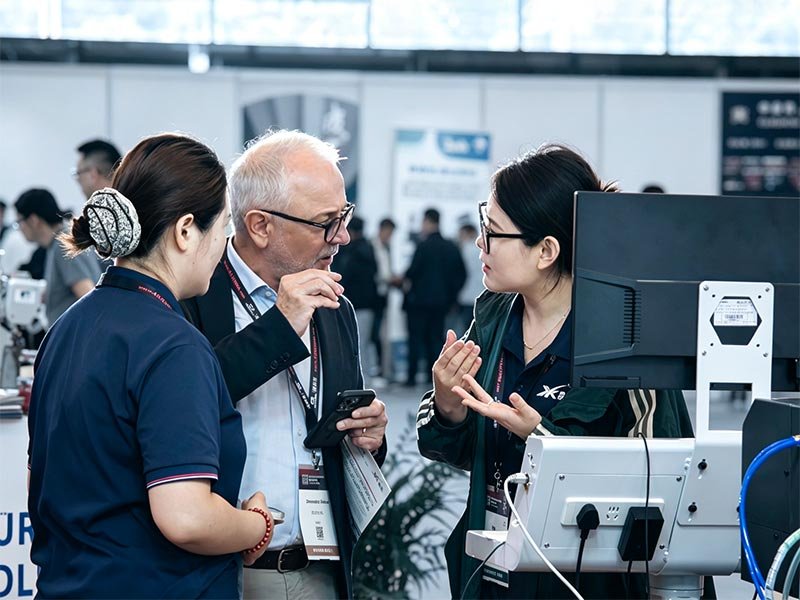
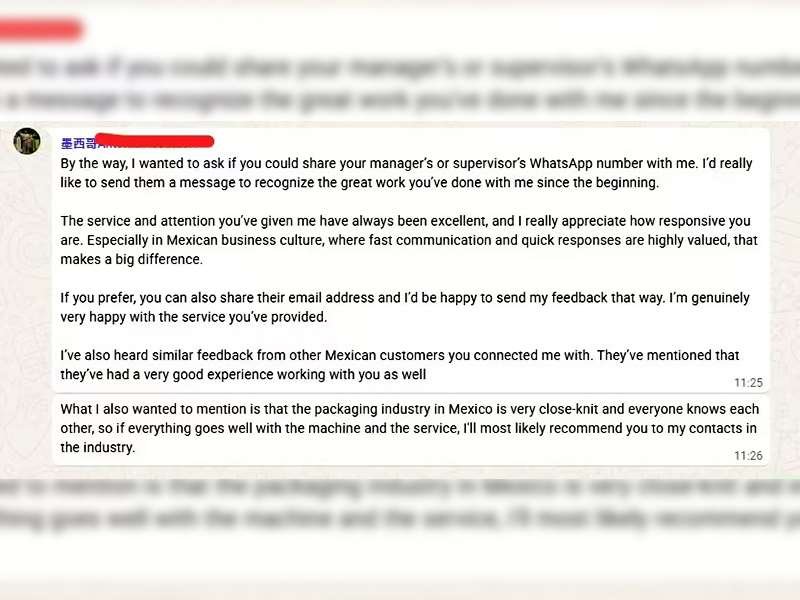
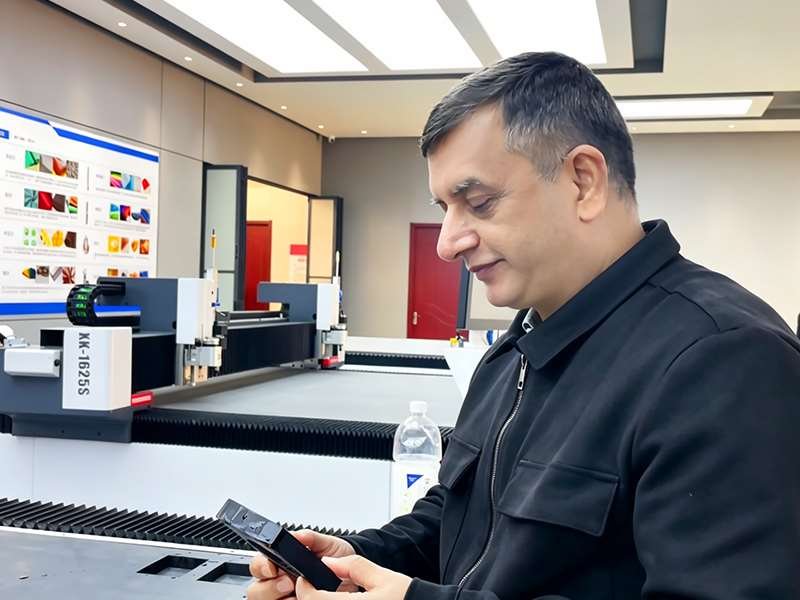
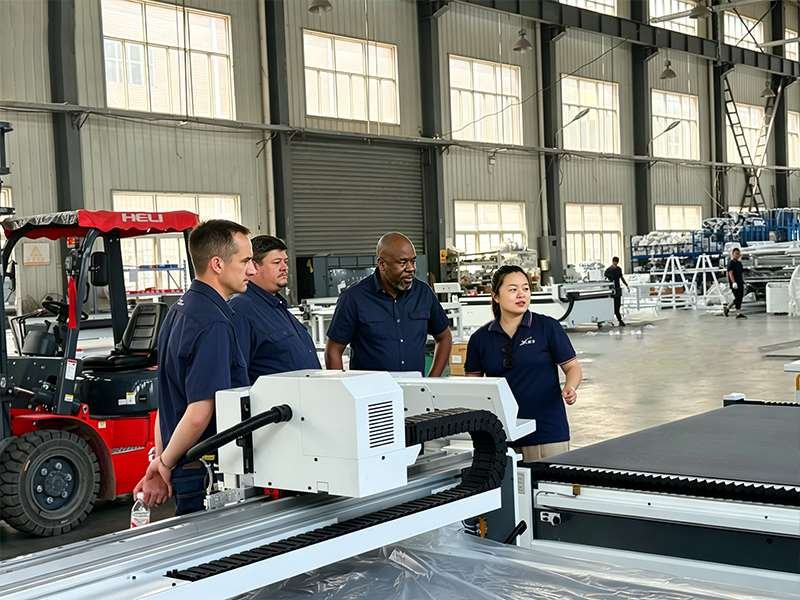
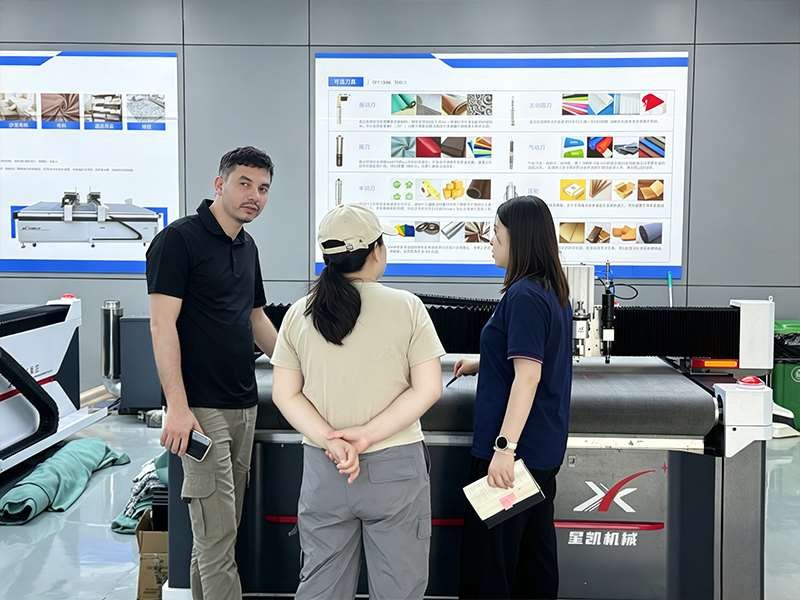
Recognition from customers
Frequently Asked Questions
What automotive films can the machine cut?
It can cut paint protection film, TPU PPF, automotive window tint, vinyl wrap, color-change film, reflective film, headlight film, and selected adhesive-backed films.
Can it cut the film without cutting the backing liner?
Yes. The kiss-cut tool can be adjusted to cut the upper film layer while retaining the release liner. The result should be confirmed using the actual material.
Can it use vehicle pattern files?
Yes. The machine supports standard vector formats such as DXF and HPGL. Compatibility with the customer’s vehicle-template software should be confirmed before purchase.
Can it process roll film?
Yes. A roll-feeding system can be added according to roll width, tension, maximum pattern length, and production requirements.
Can it recognize printed contours?
Yes. An optional CCD camera can recognize registration marks or printed contours before cutting.
How is kiss-cut depth controlled?
Blade depth, cutting pressure, speed, and acceleration can be adjusted according to the film and release-liner structure. The correct settings should be verified with the actual material so the upper film is cut cleanly while the liner remains intact.
Can pre-cut film reduce the risk of scratching a vehicle?
Yes. Vehicle-specific pre-cut kits reduce the need to trim film directly on paint, glass, headlights, and decorative parts. Correct pattern selection and professional installation procedures are still required.
Which design files does the automotive film cutting machine support?
The machine supports DXF and HPGL files and can work with compatible vehicle-template and nesting software. Compatibility with the customer’s existing pattern database should be confirmed before purchase.
Does film cutting produce smoke or melted edges?
No. Blade cutting is a cold mechanical process and does not generate laser heat.
How often should the blade be replaced?
Blade life depends on film composition, coating, liner structure, cutting pressure, pattern complexity, and daily operating time. Replace the blade when contours become uneven, corners lose accuracy, or the film is not cut cleanly.
Can I test my automotive film before purchasing?
Yes. Send film samples, liner details, and cutting files to Xingkai for a cutting test.
For recommendation, please send:
Film Type | Film Thickness | Liner Thickness | Roll Width | Cutting Size | Daily Production
Jinan Xingkai Machinery Equipment Co., Ltd. provides digital cutting solutions for automotive film, paint protection film, window tint, vinyl wrap, and other adhesive-backed materials.