Work Hours
Monday to Friday: 7AM - 7PM
Weekend: 10AM - 5PM

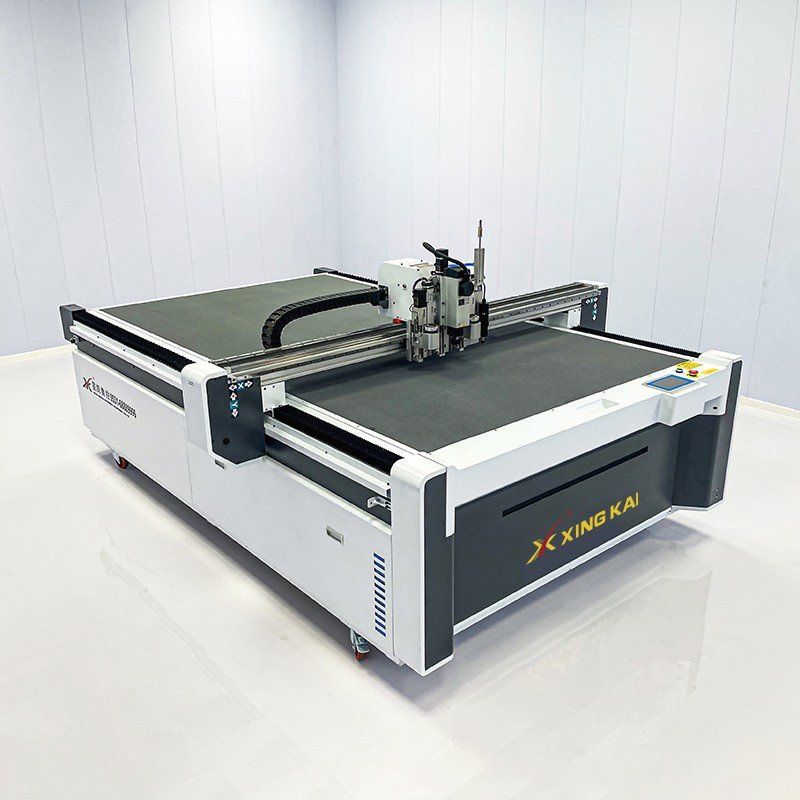
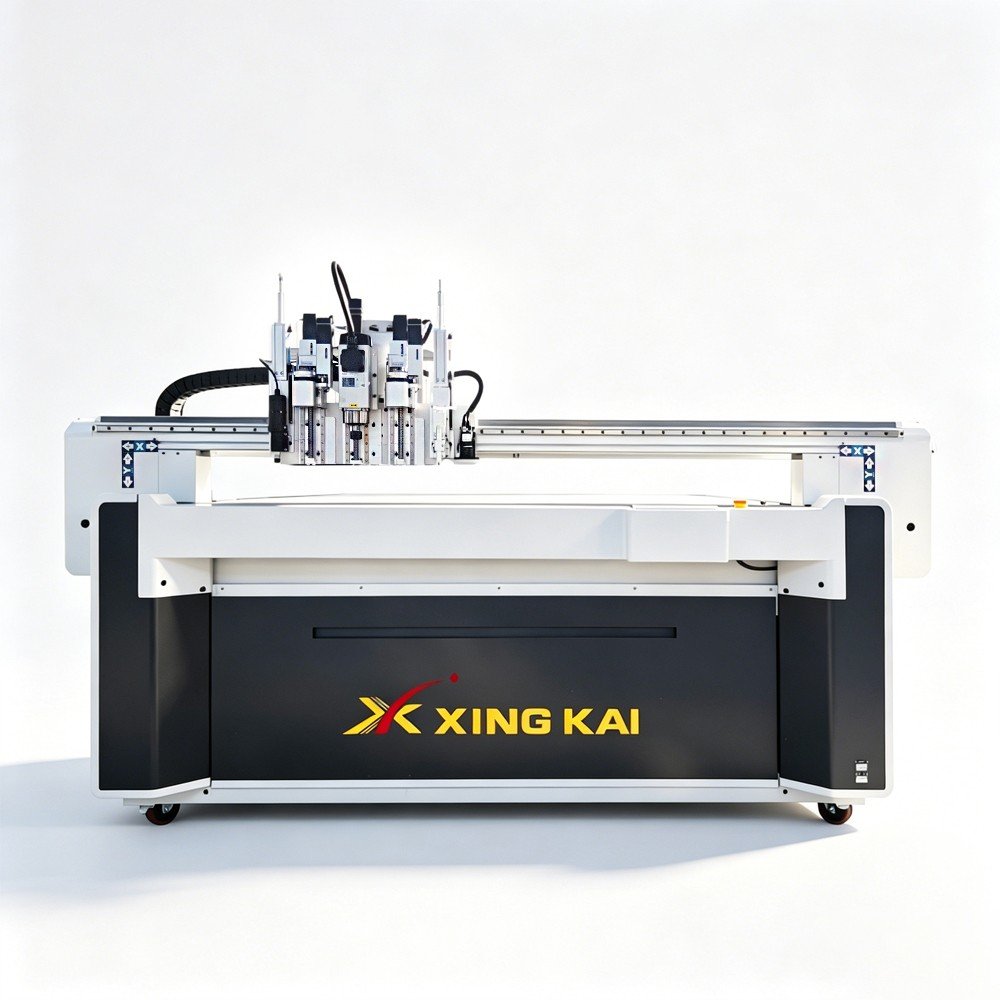
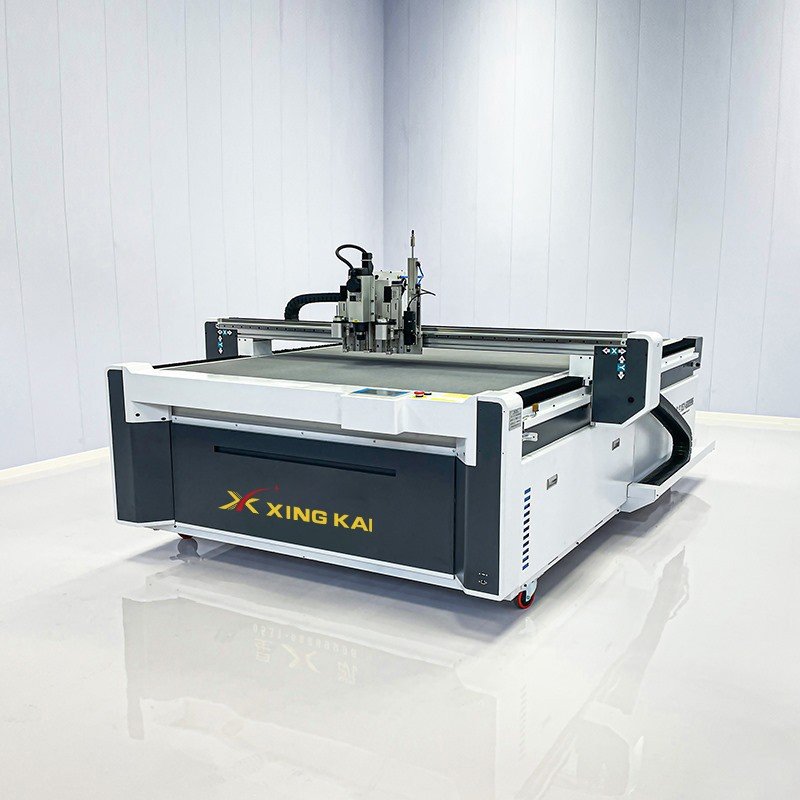
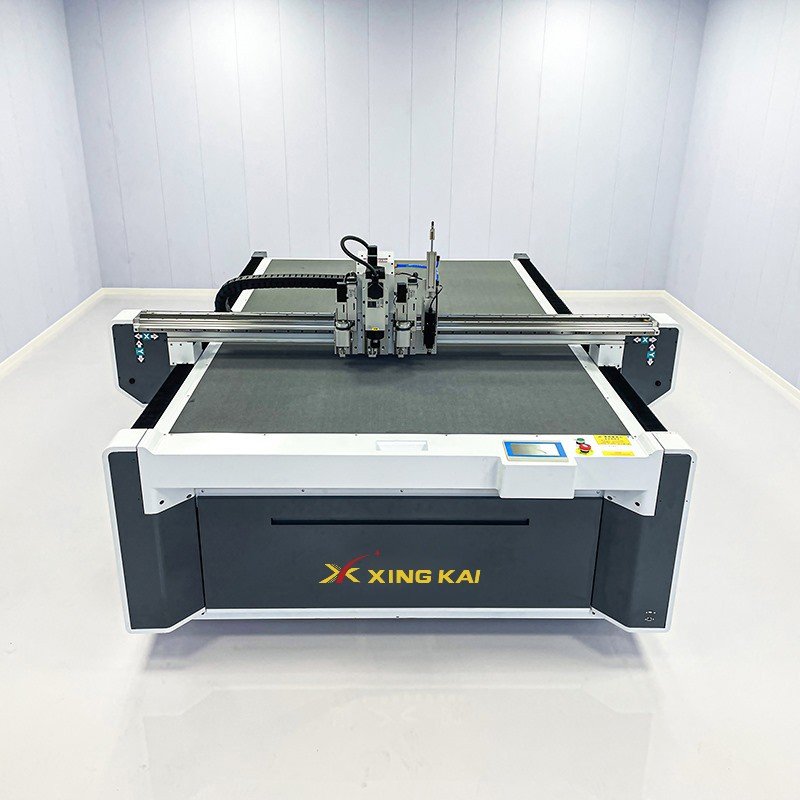
EVA Foam Cutting Machine XK-1625 CNC Digital Cutter for Foam Packaging and Custom Shapes
Brand
XINGKAI
Manufacturer
Jinan Xingkai Machinery Equipment Co., Ltd.
Working Area
1600mm × 2500mm
Rating
★★★★★ 4.8 / 5 (211 reviews)
Service
Meets CE quality and safety standards; two-year limited warranty on the entire machine.
Delivery Time
We have stock available; standard delivery time is 3–7 days. Custom orders are made according to actual needs.
Request a Quote
Xingkai EVA foam cutting machines are industrial CNC oscillating knife systems designed for accurate, die-free cutting of EVA foam sheets and customized EVA components. The machine imports digital design files and automatically cuts straight lines, curves, holes, slots, internal contours, and complex irregular shapes.
It is suitable for closed-cell EVA foam, high-density EVA, soft EVA sheets, laminated EVA, adhesive-backed EVA, EVA rubber composites, colored EVA sheets, packaging EVA, shoe components, sports padding, floor mats, tool case inserts, seals, and other flexible EVA products.
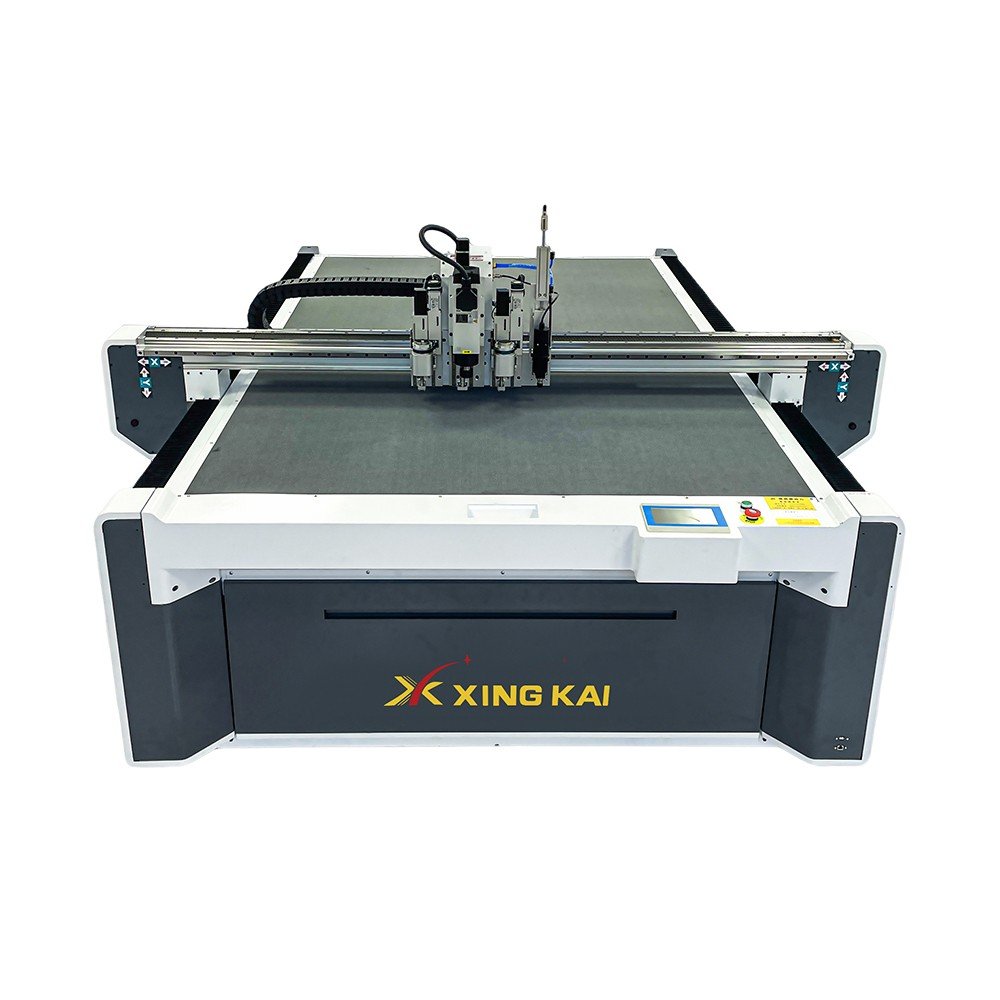
Unlike laser cutting, the oscillating knife uses a mechanical blade and does not generate cutting heat. It avoids melted edges, scorch marks, smoke, and heat-related deformation. Unlike die cutting, it requires no cutting molds, allowing manufacturers to switch quickly between prototypes, customized orders, and batch production.
For a suitable configuration, send us your EVA material, thickness, density or hardness, sheet size, cutting drawing, and required daily output. Xingkai can arrange a sample cutting test and recommend the appropriate table size and tool combination.
Foam Oscillating Knife Cutting Machine Specifications
Customizable working sizes and special cutting configurations are available upon request.
| Parameter | Specification |
|---|---|
| Cutting Materials | EVA foam, EPE foam, XPE foam, PU foam, sponge, foam rubber, acoustic foam and composite foam |
| Cutting Speed | ≤1800 mm/s (specific speed depends on material density and thickness) |
| Cutting Thickness | ≤200 mm, depending on foam density and hardness |
| Material Fixing Method | Vacuum adsorption with zoned vacuum control |
| Cutting Accuracy | ±0.1 mm |
| Compatible File Formats | DXF, HPGL |
| Working Voltage | AC 220V/380V ±10%, 50Hz |
| Transmission System | Servo motor drive and precision linear guide rails |
| Working Environment | Temperature: 5°C–35°C; Humidity: 35%–75% |
| Software Resolution | 0.025 mm |
| Operation Interface | Touchscreen |
| Vacuum Pump Power | 7.5 kW or 9 kW |
| Feeding Method | Fixed working table or automatic conveyor system |
| Compatible Cutting Tools | Oscillating knife, pneumatic oscillating knife, V-cut tool, milling tool, punching tool and marking pen |
| Optional Functions | Automatic feeding, automatic nesting, camera positioning and projection positioning |
Available Models and Dimensions
| Model | Effective Cutting Area (L × W) | Machine Dimensions (L × W) | Package Size (L × W) |
|---|---|---|---|
| 7010 | 1000 × 700 mm | 1700 × 1380 mm | 1850 × 1500 mm |
| 1615 | 1500 × 1600 mm | 2320 × 2500 mm | 2470 × 2620 mm |
| 1625 | 2500 × 1600 mm | 3350 × 2500 mm | 3500 × 2560 mm |
| 1825 | 2500 × 1800 mm | 3350 × 2700 mm | 3750 × 2290 mm |
| 1840 | 4000 × 1800 mm | 4800 × 2700 mm | 5200 × 2290 mm |
| 2025 | 2500 × 2000 mm | 3350 × 2900 mm | 1900 × 3100 mm, disassembled |
| 2030 | 3000 × 2000 mm | 3950 × 2900 mm | 2200 × 2900 mm, disassembled |
What Can the Xingkai EVA Foam Cutting Machine Cut?
The machine is designed for common EVA sheet and component processing, including:
- Closed-cell EVA foam
- High-density EVA foam
- Soft EVA foam sheets
- Laminated EVA materials
- Adhesive-backed EVA foam
- EVA and rubber composite sheets
- Anti-slip EVA sheets
- Colored craft EVA sheets
- EVA packaging inserts
- EVA tool case linings
- EVA shoe soles, midsoles, and insoles
- EVA sports pads and protective components
- EVA floor mats and marine mat components
- EVA seals, spacers, and cushioning pads
Material performance varies according to density, hardness, elasticity, backing layer, adhesive, and total thickness. Testing the actual EVA material is the most reliable way to confirm the blade, speed, adsorption method, and maximum cutting depth.
Applicable materials
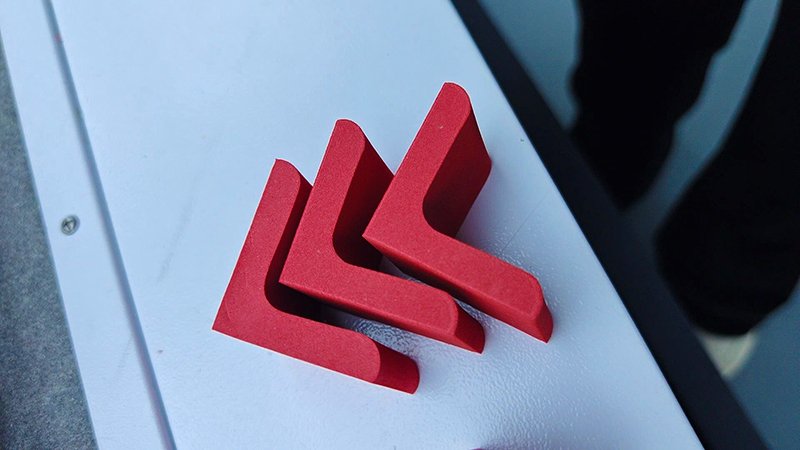
EVA
How the EVA Foam CNC Cutting Process Works
- Create or import the design in DXF or PLT format.
- Set the material size, thickness, and cutting parameters.
- Use automatic nesting to arrange parts and reduce waste.
- Place the EVA sheet on the vacuum adsorption table.
- Select the appropriate oscillating knife and blade.
- Start automatic CNC cutting.
- Remove the finished parts and check the edge and dimensions.
The design remains digital throughout the process. When the product shape or size changes, the operator updates the file instead of manufacturing another cutting die.
Main Advantages of the EVA Foam Cutting Machine
No Cutting Dies Required
The machine cuts directly from CAD files. This eliminates die manufacturing time and cost, which is especially valuable for prototypes, customized inserts, replacement parts, short production runs, and products with frequent design changes.
Clean, Heat-Free Cutting
The oscillating knife cuts EVA mechanically. It does not melt the material or create burnt edges, smoke, and strong odors associated with thermal cutting. The original EVA structure is better preserved.
Accurate Complex Shapes
The CNC system follows the digital path to process curves, circles, slots, holes, internal contours, and irregular parts. This is useful for fitted packaging inserts, tool compartments, gaskets, sports pads, and multi-part assemblies.
Automatic Nesting
Intelligent nesting software arranges parts according to the sheet size and component geometry. It reduces unnecessary gaps between parts and helps improve EVA material utilization.
Fast Product Changeover
Operators can switch to a new product by importing another file and adjusting the processing parameters. There is no need to store or replace physical dies.
Consistent Batch Production
Digital path control helps maintain consistent dimensions across repeated orders. Saved cutting files and parameters can be reused when the same product returns.
Suitable for Thick EVA
The machine can use different blade lengths and oscillating tool strokes. For suitable EVA materials, Xingkai machines can be configured for cutting thicknesses up to approximately 100 mm. The final capacity depends on density, hardness, lamination, cutting shape, and required edge quality and must be confirmed by sample testing.
Reduced Manual Cutting
Automatic nesting and CNC cutting reduce repetitive marking and hand cutting. One operator can prepare files, load material, monitor cutting, and collect finished parts.
Which Cutting Tool Is Best for EVA Foam?
| Tool | Recommended Use | Important Note |
|---|---|---|
| Electric oscillating knife | Standard EVA sheets, packaging inserts, mats, pads, and general contour cutting | Main tool for most EVA through-cutting applications |
| Pneumatic oscillating knife | Thick, dense, hard, or laminated EVA | Stronger cutting force and longer effective stroke |
| V-cut tool | Angled grooves, folding structures, beveled joints, and assembled inserts | Used when the product requires a controlled cutting angle |
| Drag knife | Thin EVA sheets and simple contours | Suitability depends on thickness and corner requirements |
| Punching tool | Positioning holes and repeated small holes | Hole size and material deformation must be tested |
| Marking tool | Part numbers, assembly marks, and reference lines | Marking effect depends on the EVA surface |
| Milling cutter | Recesses, pockets, grooves, and selected thick or hard EVA applications | Not the first choice for ordinary through-cutting and may create chips or dust |
For most EVA foam sheets, the oscillating knife is the correct primary tool. A milling cutter should only be selected when the product requires material removal, recessed pockets, or special groove processing. It should not replace the oscillating knife for normal contour cutting.
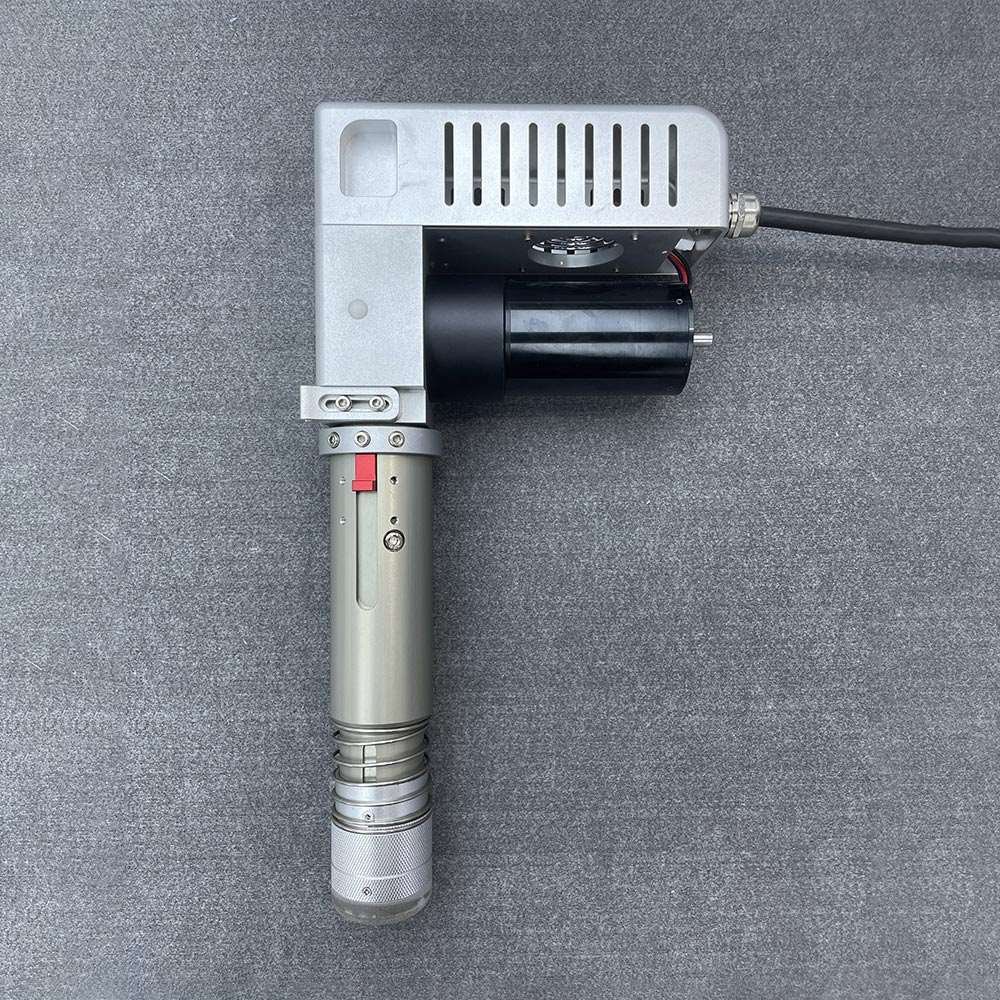
Optional blades and accessories
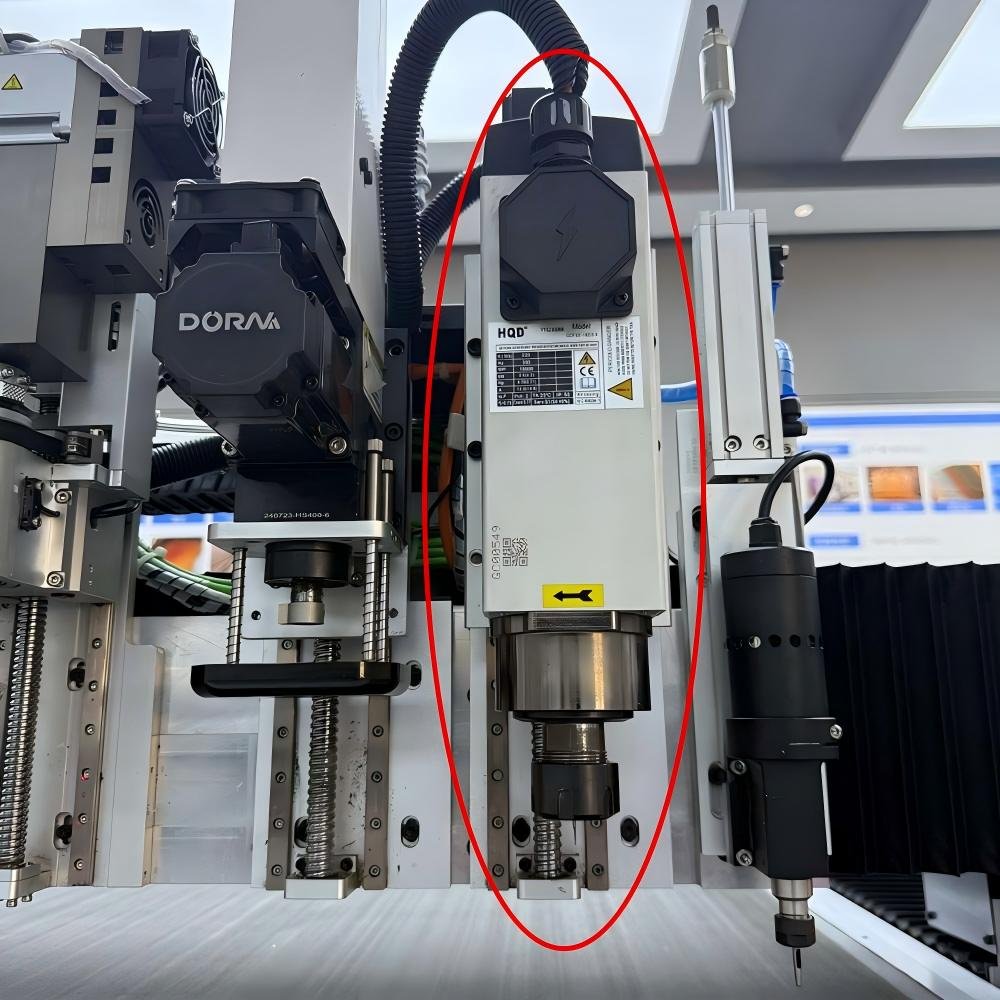
Milling cutter
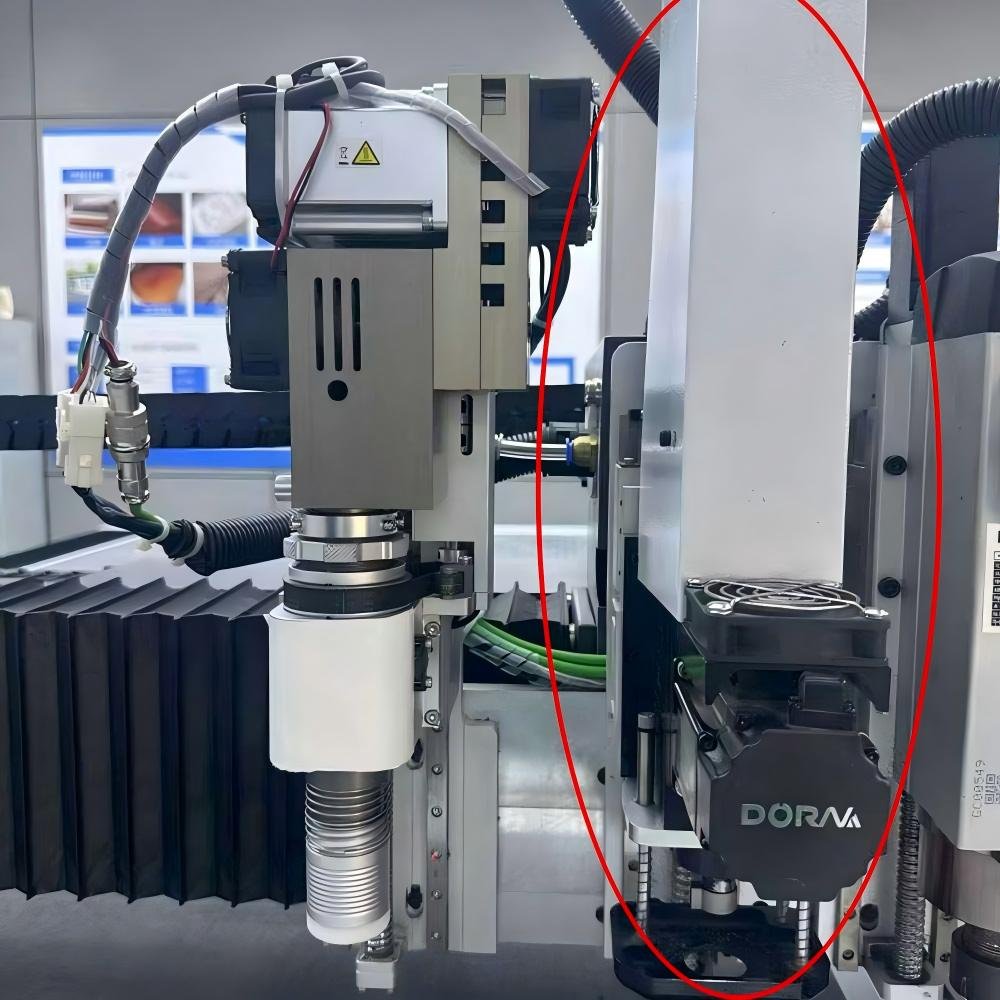
400W high power
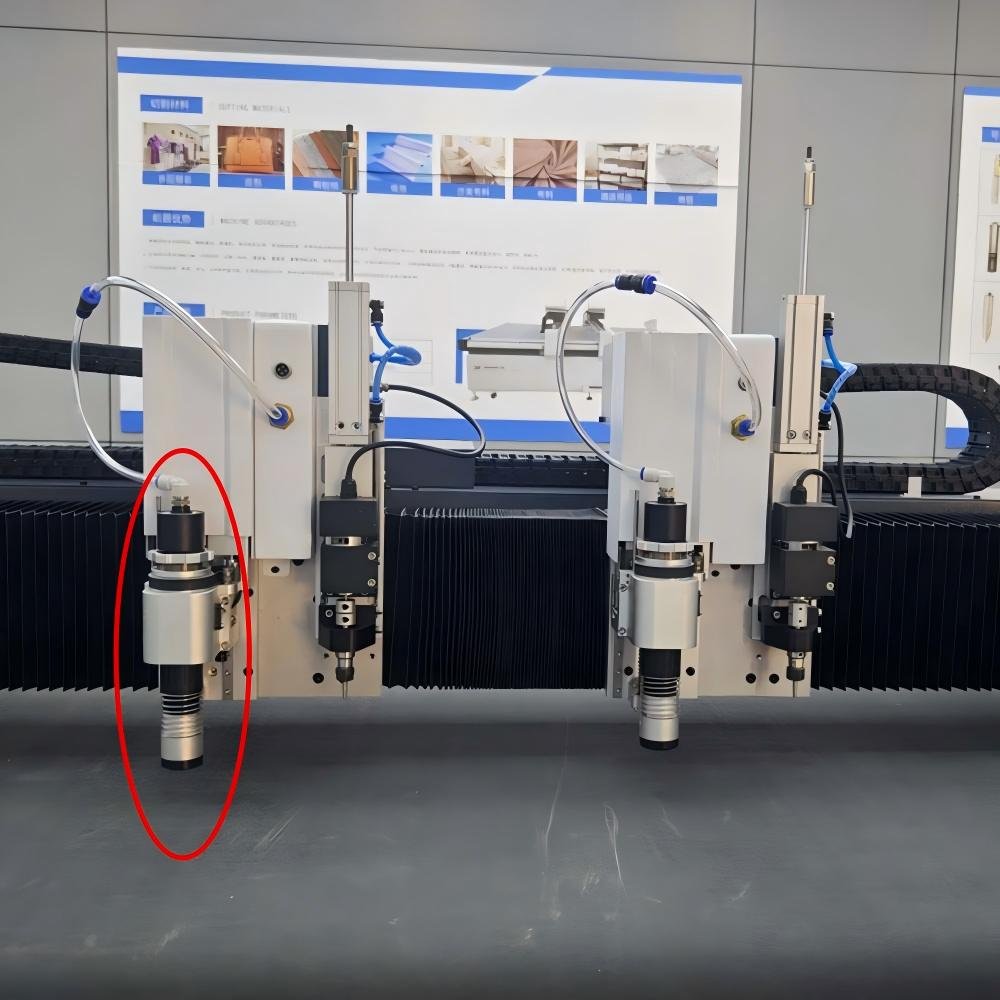
Pneumatic knife
Vibrating knife
EVA Foam Cutting Machine Applications
Protective Packaging and Custom Inserts
Cut fitted EVA inserts for electronics, instruments, cameras, drones, glass products, machinery, tools, and fragile components. Digital cutting is useful when each customer requires a different compartment layout or product shape.
Tool Cases and Equipment Cases
Produce organized case linings with customized cavities for hand tools, measuring equipment, testing instruments, and transport cases. The CNC cutting path can be updated when the tool set changes.
Footwear Components
Process EVA midsoles, insoles, cushioning layers, heel pads, and shoe components. The machine is suitable for prototypes, multiple sizes, and small or medium production batches.
Sports and Protective Products
Cut helmet padding, body protection, fitness equipment pads, sports mats, exercise components, and shock-absorbing EVA parts.
Floor Mats and Marine EVA Components
Cut anti-slip mat components, floor mat shapes, boat deck EVA pieces, edge profiles, logos, and assembly sections. Camera positioning can be considered when cutting printed or pre-marked patterns.
Automotive and Industrial Components
Produce cushioning pads, anti-vibration parts, spacers, seals, protective layers, interior padding, and customized industrial EVA components.
Crafts, Displays, and Customized Products
Cut letters, decorative shapes, display components, model parts, and personalized EVA products without preparing physical dies.
Oscillating Knife vs. Laser vs. Die Cutting for EVA
| Method | Best For | Main Advantages | Main Limitations |
|---|---|---|---|
| Oscillating knife cutting | Prototypes, custom parts, complex contours, small and medium batches | No dies, no cutting heat, fast file changes, clean edges | Very small details depend on blade width and material thickness |
| Laser cutting | Selected thin compatible materials and engraving | Fine paths and non-contact processing | EVA may melt, discolor, deform, smoke, or produce unpleasant fumes |
| Die cutting | Stable high-volume production of unchanged designs | Fast cycle after the die is prepared | Every design and size needs a die; changes increase cost and lead time |
| Manual cutting | Simple samples and very low quantities | Low initial equipment cost | Slow, labor-dependent, and difficult to keep consistent |
For manufacturers handling customized orders or frequently changing designs, an EVA foam oscillating knife cutter usually provides greater flexibility than die cutting and cleaner processing than laser cutting.
Machine Structure and Core Functions
Heavy-Duty Welded Frame
The precision-machined and stress-relieved frame provides rigidity and stable support for long-term industrial cutting.
Industrial CNC Control System
The touchscreen control system manages design files, tool selection, cutting paths, speeds, and process parameters.
Vacuum Adsorption Table
The vacuum table holds EVA sheets during cutting. Vacuum zones, covering film, and auxiliary fixing methods can be adjusted according to sheet size, density, and air permeability.
High-Precision Drive System
Industrial linear guide rails and precision gear racks support smooth movement and accurate contour following.
Intelligent Nesting Software
The nesting system arranges components within the available EVA sheet area to reduce offcuts and simplify production planning.
Modular Tool Head
The cutting head can be configured with oscillating knives and optional V-cutting, punching, marking, or milling tools according to the required process.
Optional Camera Positioning
For printed, pre-marked, or patterned EVA materials, a camera system can identify registration marks or contours before cutting.
Fixed Table or Automatic Feeding Table?
Fixed-Table EVA Foam Cutting Machine
A fixed table is normally recommended for standard EVA sheets, thick EVA plates, packaging inserts, tool case linings, shoe components, mats, and industrial parts. It provides stable support and is suitable for both samples and batch cutting.
Conveyor EVA Foam Cutting Machine
A conveyor table is suitable when thin EVA is supplied in rolls or when production requires continuous feeding. It can reduce repeated manual loading, but it is not automatically the best choice for thick or rigid EVA sheets.
The table type should be selected according to material format, sheet dimensions, loading method, part length, and daily output rather than by machine size alone.
Machine details and key components
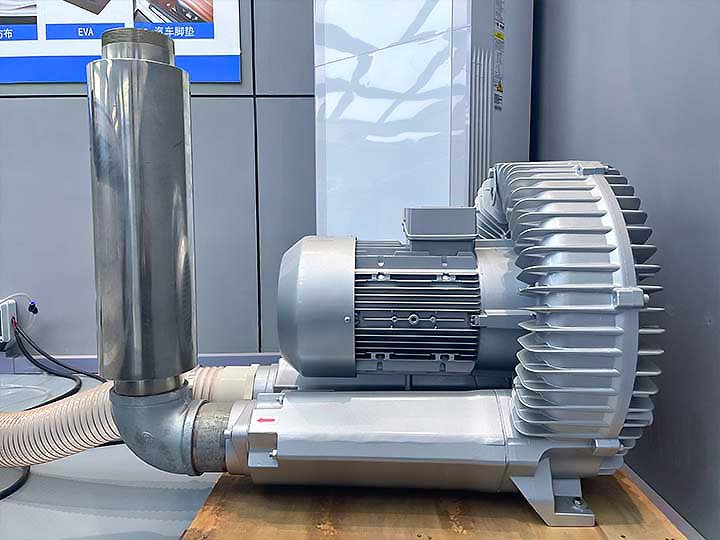
Fan equipment
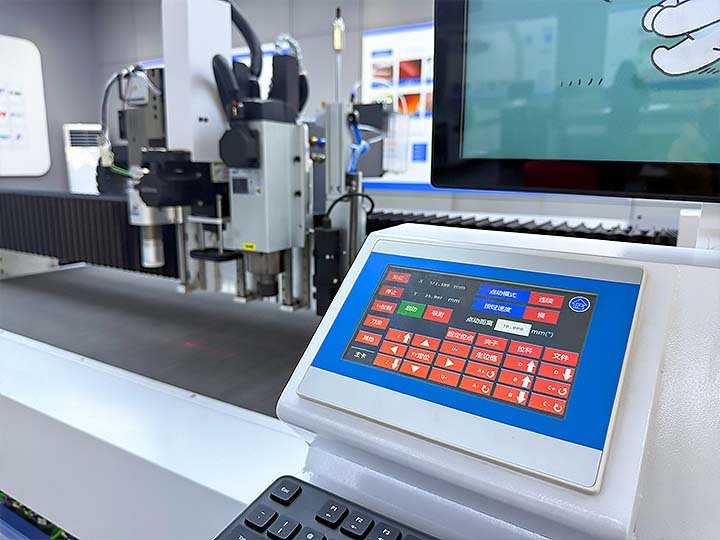
Multilingual operating system
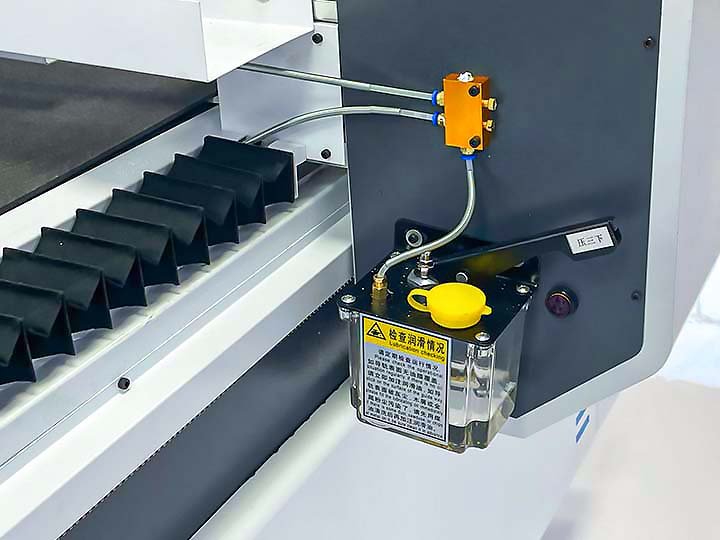
Oil pump
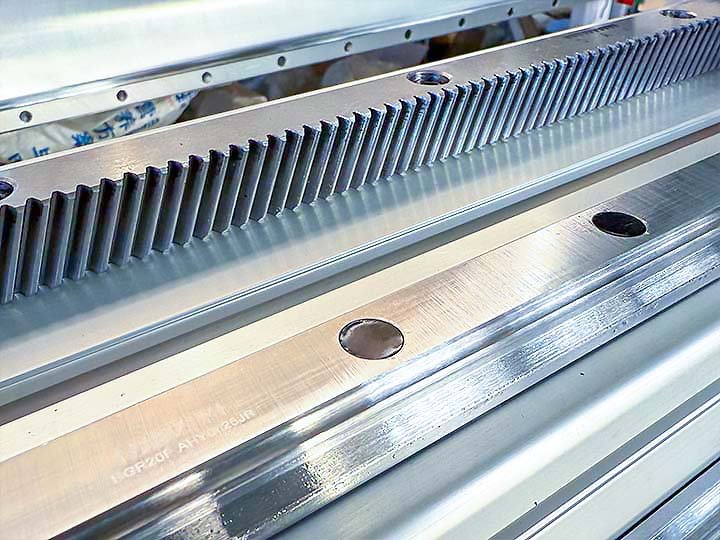
Rack
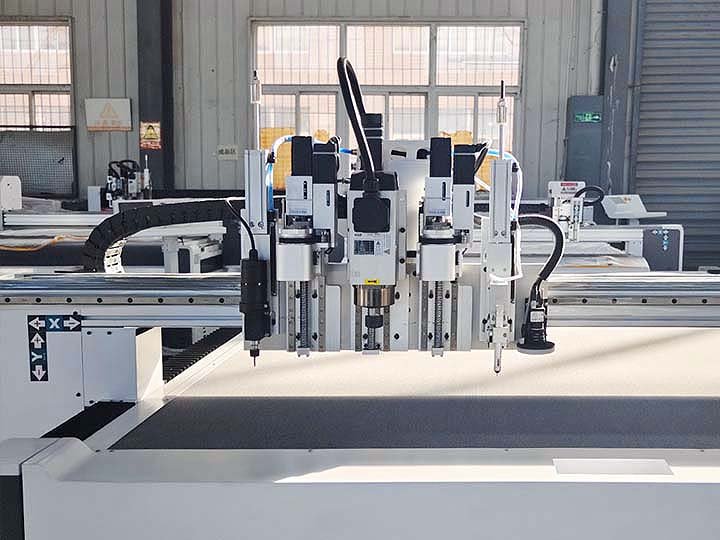
Multiple blade combinations
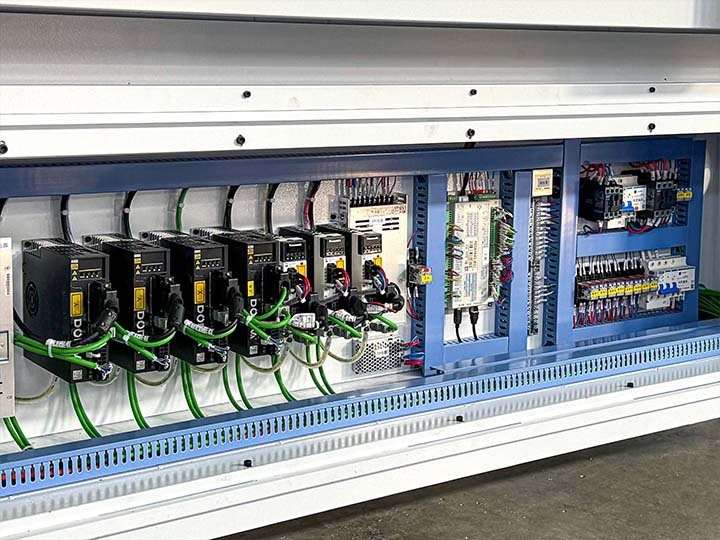
Servo driver
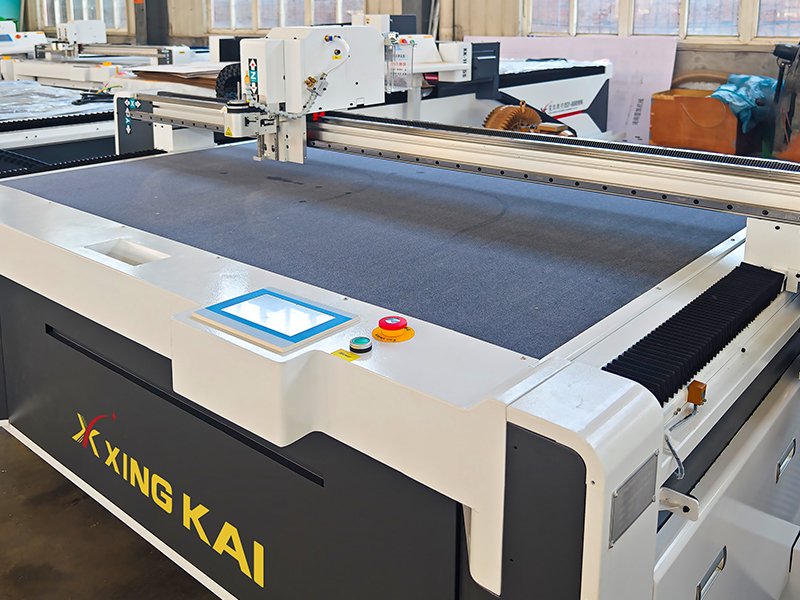
Felt
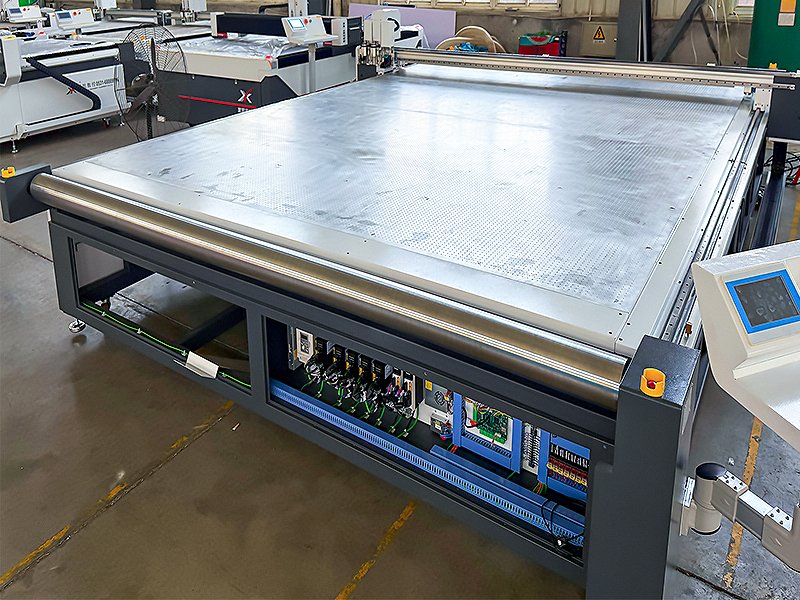
Aviation aluminum honeycomb panel
How to Select the Right EVA Foam Cutter
Before requesting a quotation, confirm the following information:
| Selection Item | Information Required | Why It Matters |
|---|---|---|
| EVA type | Closed-cell, high-density, laminated, adhesive-backed, composite, or other | Determines tool and parameter selection |
| Thickness range | Minimum, normal, and maximum thickness | Determines blade length and tool stroke |
| Density or hardness | Supplier specification or physical sample | Affects cutting force, speed, and edge quality |
| Sheet size | Maximum length and width | Determines the required working area |
| Cutting shape | External contour, holes, slots, V-grooves, or pockets | Determines the required tool combination |
| Production volume | Parts, sheets, or working hours per day | Helps select table size and automation level |
| File format | DXF, PLT, or existing CAD workflow | Confirms software compatibility |
| Accuracy requirement | Fit, tolerance, hole size, and corner radius | Determines whether sample testing is necessary |
Choosing a larger machine or higher-power tool without considering the actual EVA material does not guarantee a better result. The best configuration is the one validated with the customer’s material, drawing, and production target.
Why Choose a Xingkai EVA Foam Cutting Machine?
Xingkai focuses on CNC oscillating knife cutting systems for flexible non-metallic materials. Each EVA application is evaluated according to material thickness, density, sheet size, part geometry, and production requirements.
We can provide:
- Cutting tests using the customer’s EVA sample
- Cutting videos and finished sample parts
- Machine size and tool configuration recommendations
- Guidance on blade selection and cutting parameters
- Digital nesting and cutting workflow support
- Remote installation and operating guidance
- Machine configuration for prototypes and batch production
The goal is not to recommend the largest configuration. It is to match the cutting table, vacuum system, oscillating tool, blade, and optional functions to the customer’s actual production process.
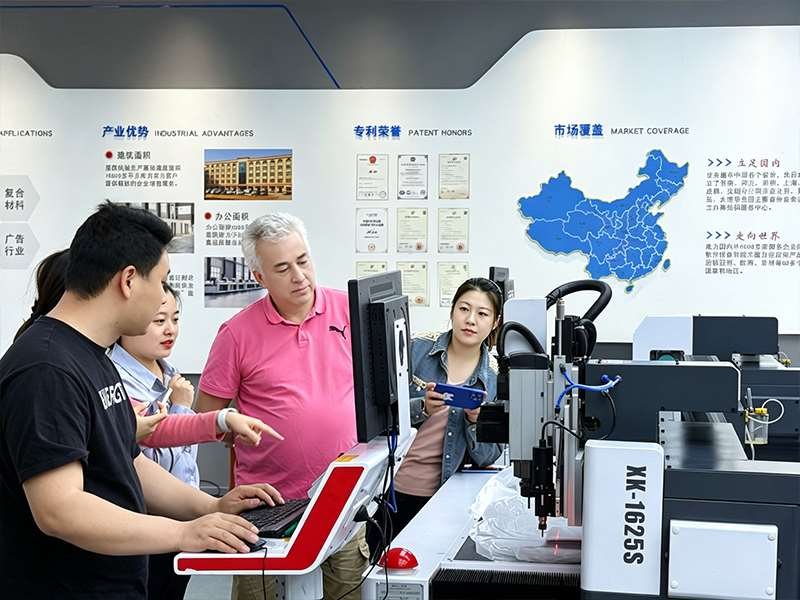
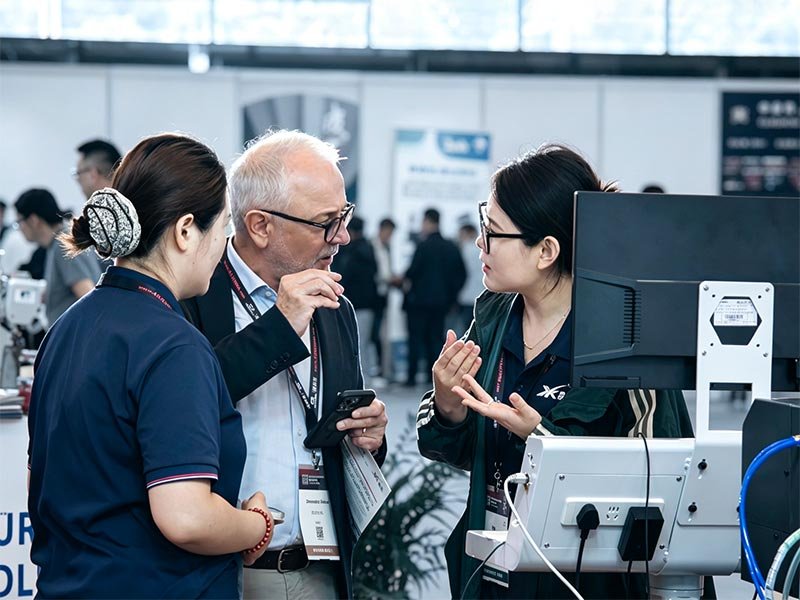
Recognition from customers

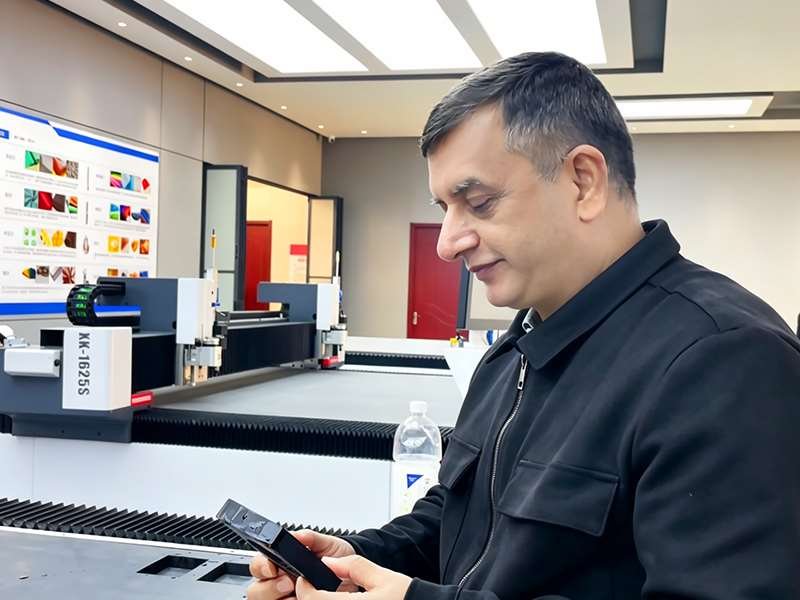
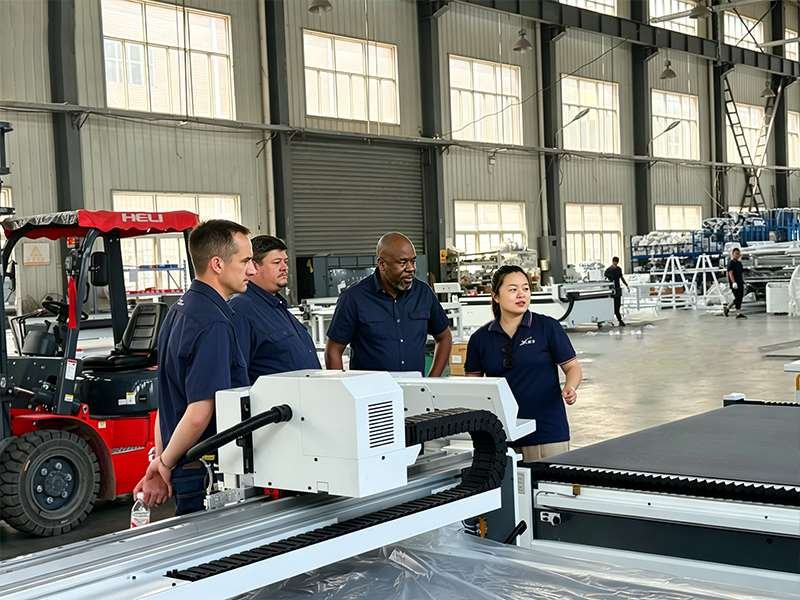
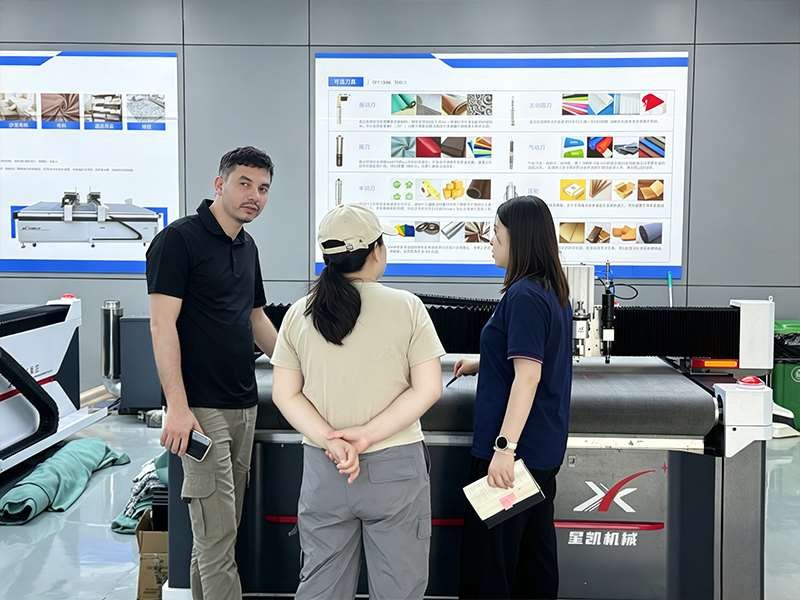
Frequently Asked Questions
What thickness of EVA foam can the machine cut?
The maximum thickness depends on EVA density, hardness, lamination, blade length, tool stroke, part shape, and required edge quality. For suitable materials, the machine can be configured for EVA up to approximately 100 mm thick. The customer’s actual material should be tested before the final capacity is confirmed.
Can the machine cut high-density EVA foam?
Yes. High-density or hard EVA normally requires a suitable blade, lower cutting speed, and sufficient oscillating force. A pneumatic oscillating knife may be recommended for thick or dense material.
Can it cut adhesive-backed EVA?
Yes, but the adhesive type and release liner can affect blade contamination and edge quality. The material should be tested to select the correct blade and cutting parameters.
Can it cut holes and internal contours?
Yes. The CNC system can cut holes, slots, circles, internal contours, and irregular shapes. Minimum hole size and corner radius depend on blade width, EVA thickness, hardness, and deformation.
Does EVA cutting produce smoke or burnt edges?
No. The oscillating knife uses mechanical cutting and does not generate laser heat. It avoids melting, scorch marks, smoke, and heat-related edge deformation.
Does the EVA foam cutting machine need dies?
No. The machine cuts from digital files. New shapes and dimensions can be produced by changing the CAD file and processing parameters.
Can the machine cut several EVA layers at once?
It may be possible for thin sheets, but suitability depends on total compressed thickness, density, surface friction, sheet movement, and required accuracy. Thick or slippery EVA is usually more suitable for single-layer cutting. Testing is required.
Which file formats are supported?
The machine supports commonly used formats such as DXF and PLT. Compatibility with other formats should be confirmed according to the customer’s existing CAD and nesting software.
When is a milling cutter needed for EVA?
A milling cutter is useful for pockets, recessed cavities, grooves, or selected hard and thick EVA processing. It is not normally required for standard through-cutting because the oscillating knife is cleaner and produces less debris.
Can I send EVA samples for testing?
Yes. Send the actual EVA material together with the drawing and required finished-part dimensions. Xingkai can provide a cutting video and finished sample for evaluation.
Request an EVA Foam Cutting Test
To receive a machine recommendation and quotation, please provide:
Material | Thickness | Density or Hardness | Sheet Size | Cutting Drawing | Daily Production
Jinan Xingkai Machinery Equipment Co., Ltd. provides CNC oscillating knife cutting solutions for EVA packaging, tool cases, footwear, sports protection, floor mats, automotive components, seals, cushioning, and customized industrial products.