Work Hours
Monday to Friday: 7AM - 7PM
Weekend: 10AM - 5PM

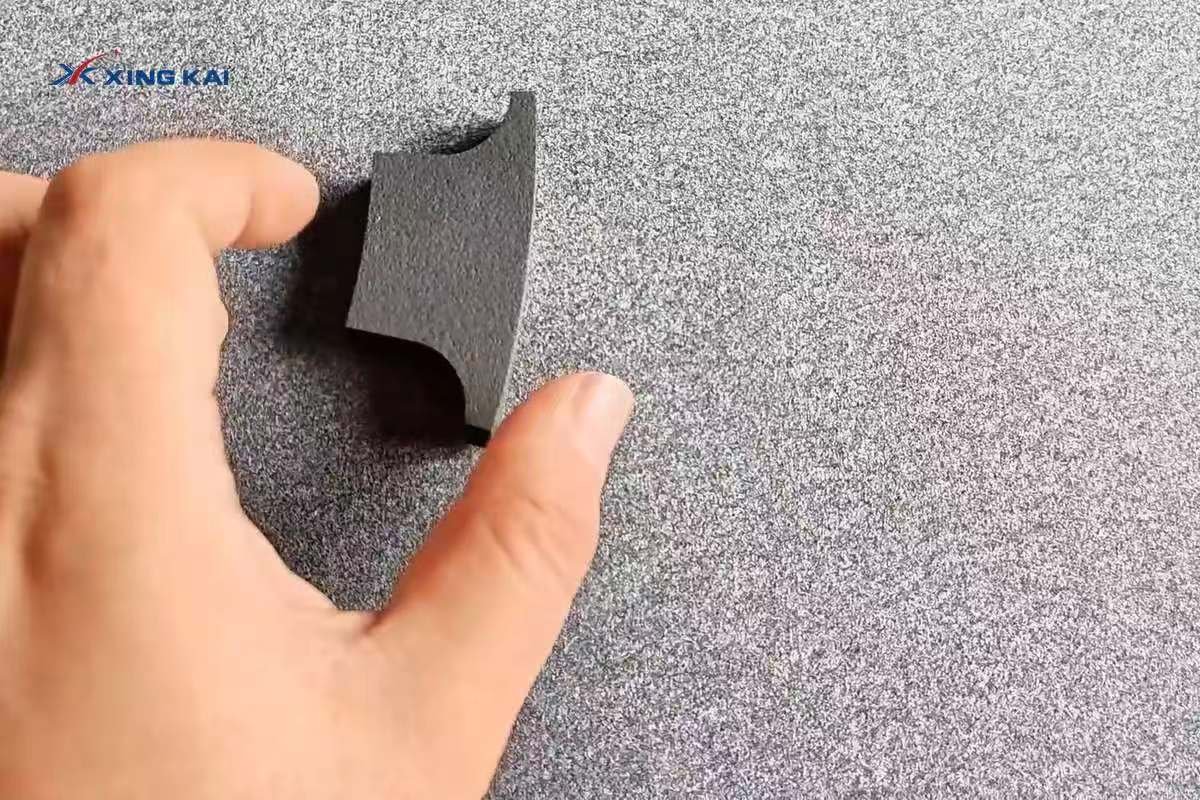
Black EVA foam is widely used when a part needs cushioning, friction resistance, a neat appearance and repeatable shaped protection. For automotive interiors and vehicle-component protection, a CNC oscillating knife cutter can make contour parts, curved cutouts and nested sets directly from the drawing—without a die for every revision.
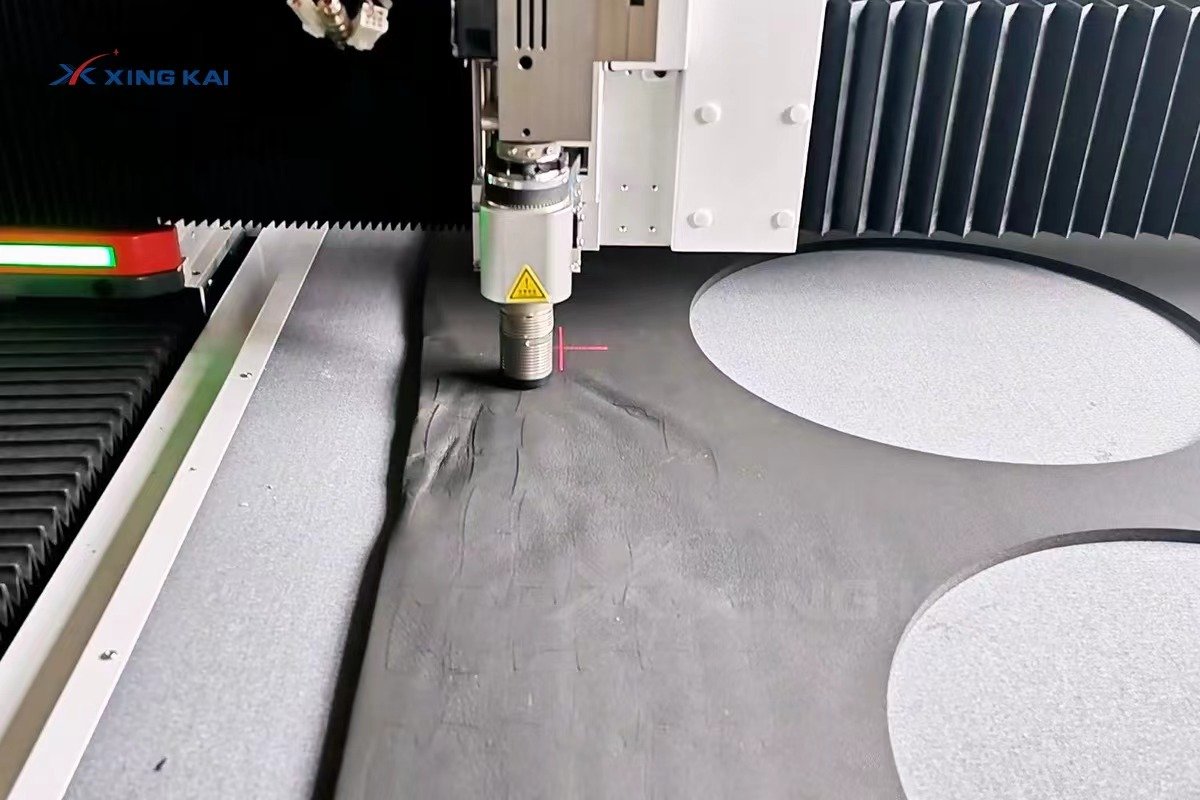
Industry focus: automotive interior and component protection. This article addresses black EVA foam parts used around trim assemblies, protective pads, equipment cases, anti-rattle layers and shaped support components. Final suitability always depends on the material grade and the product design.
Table of Contents
- Black EVA Foam in Automotive Work
- Why Black EVA Profiles Need Digital Cutting
- Manufacturing Methods Compared
- CNC Workflow for Black EVA Foam
- Nesting and Part Consistency
- Quality Checks for Automotive Foam Parts
- Choosing a Black EVA Foam Cutting Machine
- Frequently Asked Questions
Black EVA Foam in Automotive Work
Black EVA foam is chosen for many automotive-interior and component-protection tasks because it can be supplied in different thicknesses and densities, is easy to shape and presents a clean dark finish. Typical uses include protective layers behind trim, shaped support pads, case inserts for service parts, anti-rattle pads and non-visible cushioning elements.
Part Features
- Curved outside profiles
- Notches, slots and semicircular cutouts
- Nested small components
- Parts that need a clean, consistent edge
Why Digital Cutting Fits
- Direct production from vector files
- Fast adjustment when trim geometry changes
- No physical die needed for samples
- Repeatable nesting for batch production
Why Black EVA Profiles Need Digital Cutting
Automotive foam parts are often simple in material but demanding in geometry. A small change to a trim panel, mounting position or protected component can require an updated notch, cutout or edge radius. Digital cutting lets the operator revise the file, run a sample and produce the new layout without waiting for a new die.
Controlled Compression
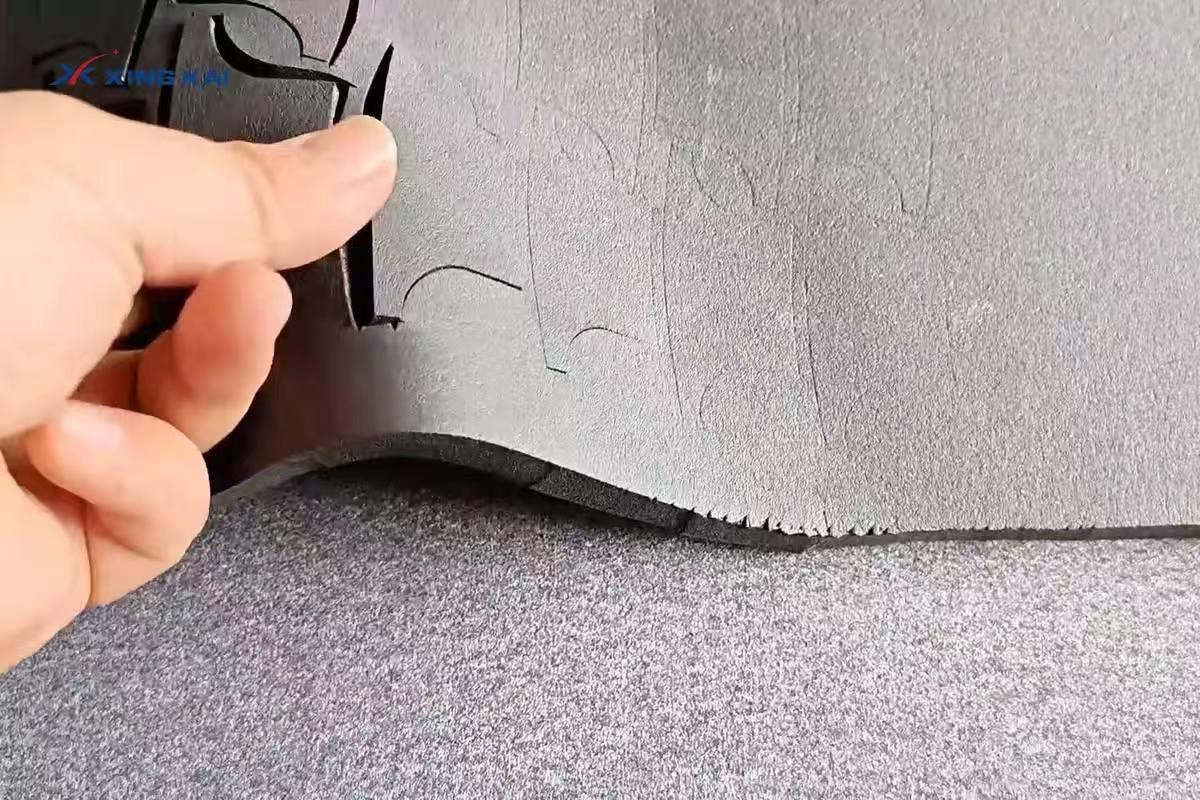
Black EVA should be cut with a sharp, appropriate blade and tested pressure. Excess compression can distort the edge, while incomplete penetration can leave the part attached to the sheet.
Accurate Cutouts
Semicircular profiles and inner openings must match the surrounding product geometry. A CNC path keeps those features consistent from the first part to the last in a nested sheet.
Manufacturing Methods Compared
| Method | Best Use | Benefit | Limitation |
|---|---|---|---|
| Hand cutting | Single simple sample | Accessible for basic work | Slow and hard to reproduce |
| Die cutting | Stable, high-volume part | Efficient for fixed geometry | Requires a new die for design changes |
| Waterjet or laser | Selected materials and applications | May suit specific process requirements | Not every EVA grade or finish is appropriate |
| CNC oscillating knife | Profiles, samples and variable batches | Cold cutting and fast file revision | Needs correct blade, vacuum and test settings |
CNC Workflow for Black EVA Foam
1. Confirm the Part Requirement
Confirm foam thickness, density if available, finished dimensions, critical cutouts and the required edge quality.
2. Prepare the Vector Layout
Import a clean vector drawing. Place interior slots and holes before the outer profile, and define the appropriate cut order.
3. Secure the Sheet and Run a Sample
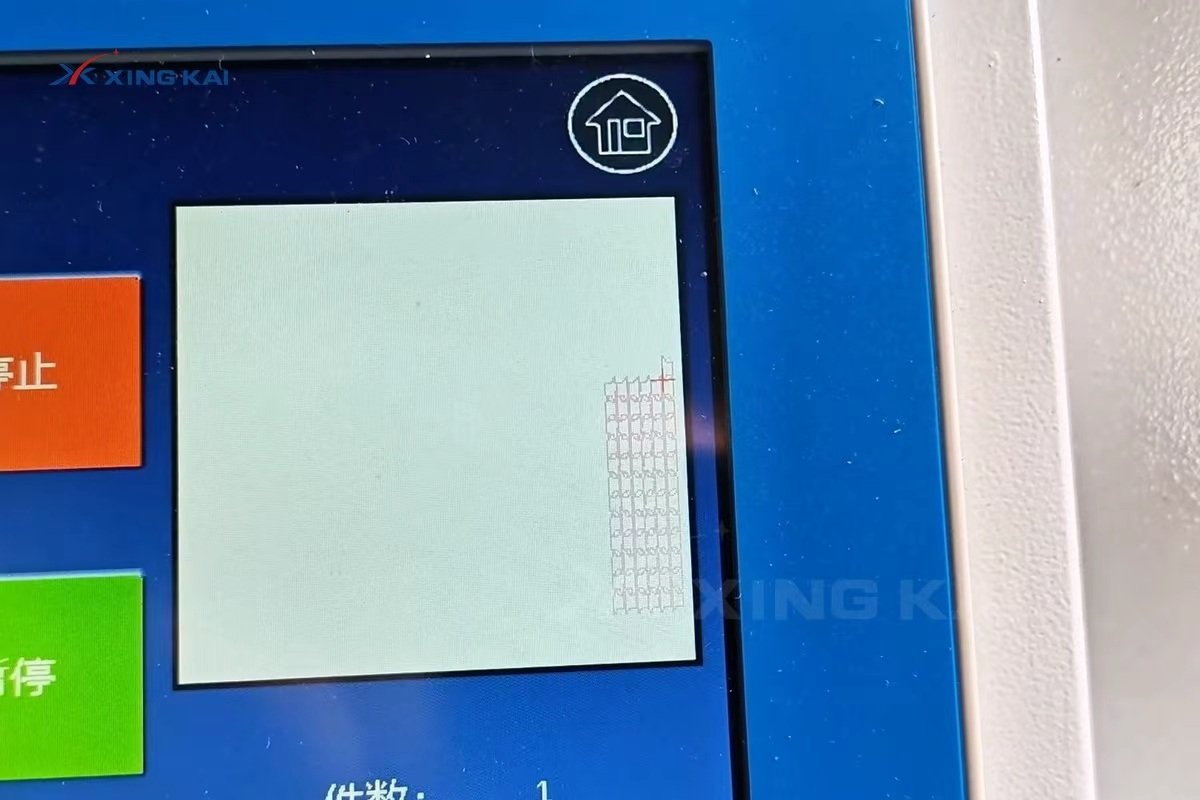
Use the vacuum table to hold the EVA sheet flat. Run a sample, then inspect complete separation, inner cutouts, edge quality and part dimensions.
4. Start the Approved Batch
Once approved, save the material and tool settings with the job. This makes repeat orders quicker to prepare and reduces unnecessary re-testing.
Nesting and Part Consistency
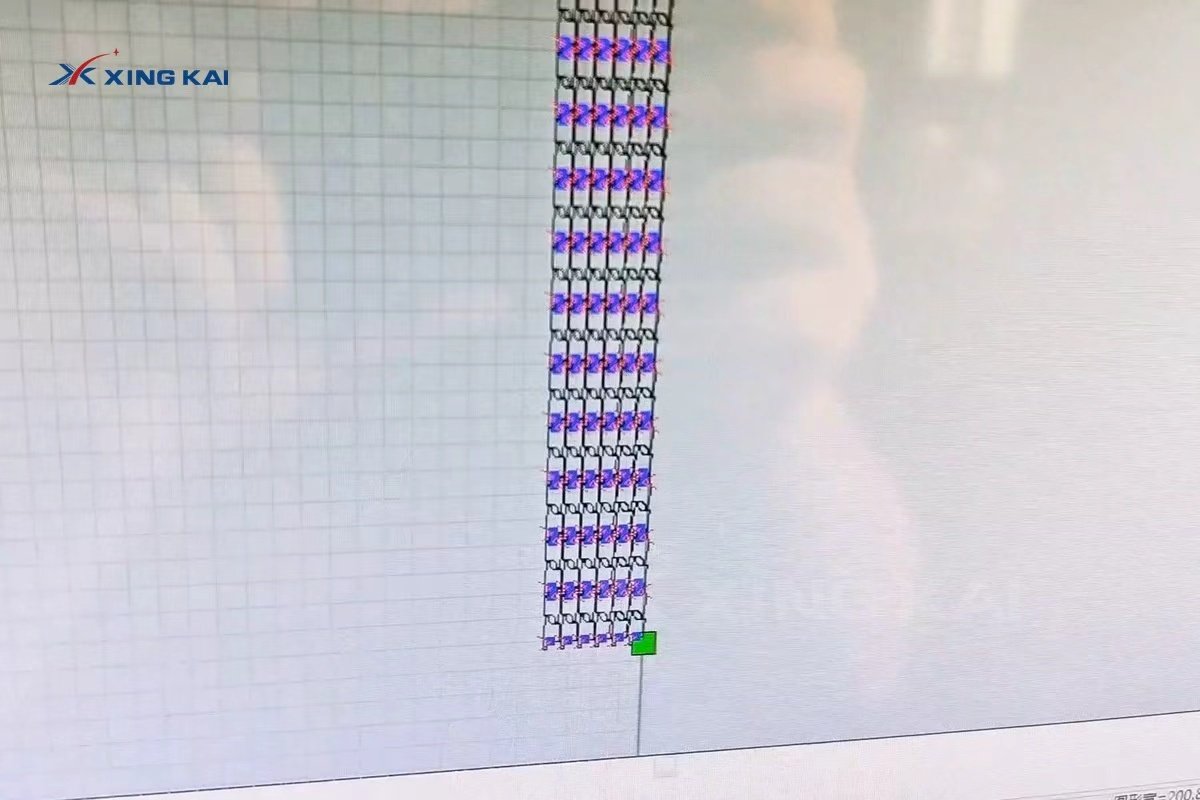
For repetitive automotive-interior components, nesting is not just a material-saving feature. It keeps each part in a planned orientation and produces a traceable cutting sequence for the operator. Good nesting should preserve enough distance between parts, support small features and make the finished pieces easy to remove.
Quality Checks for Automotive Foam Parts
| Check | What to Inspect | Why It Matters |
|---|---|---|
| Part profile | Outside contour and curved radii | Helps the part fit its intended location |
| Interior cutout | Slot, notch or semicircular opening | Protects clearance around adjacent components |
| Cut-through | Complete separation from the sheet | Prevents tearing during removal |
| Edge condition | Compression, tearing or irregular edge | Supports a neat assembled appearance |
Choosing a Black EVA Foam Cutting Machine
Choose the working area around the regular foam sheet size, then select the cutting tools according to the material thickness and part details. Vacuum holding is important for thin or small nested components. If your work includes multiple automotive-interior materials, discuss the full material list and samples before confirming the configuration.
For EVA foam parts, view the EVA Foam Cutting Machine. For vehicle-interior material workflows, see the Automotive Interior Cutting Machine.
Frequently Asked Questions
Can black EVA foam be cut into curved automotive profiles?
Yes. A CNC oscillating knife follows the vector path to make curved profiles, notches and internal cutouts. Sample testing should confirm the best settings for the actual foam grade.
Is black EVA foam suitable for small repeat parts?
Yes. Nesting lets multiple parts be arranged on one sheet, making digital knife cutting suitable for samples and repeated batches.
What should be sent for a cutting evaluation?
Send the material sample, thickness, sheet size, part drawing and the intended application. These details help determine an appropriate tool and holding method.
Request a Black EVA Foam Cutting Test
Send your black EVA foam sample, thickness, sheet size and part drawing for configuration advice and sample cutting.

