Work Hours
Monday to Friday: 7AM - 7PM
Weekend: 10AM - 5PM

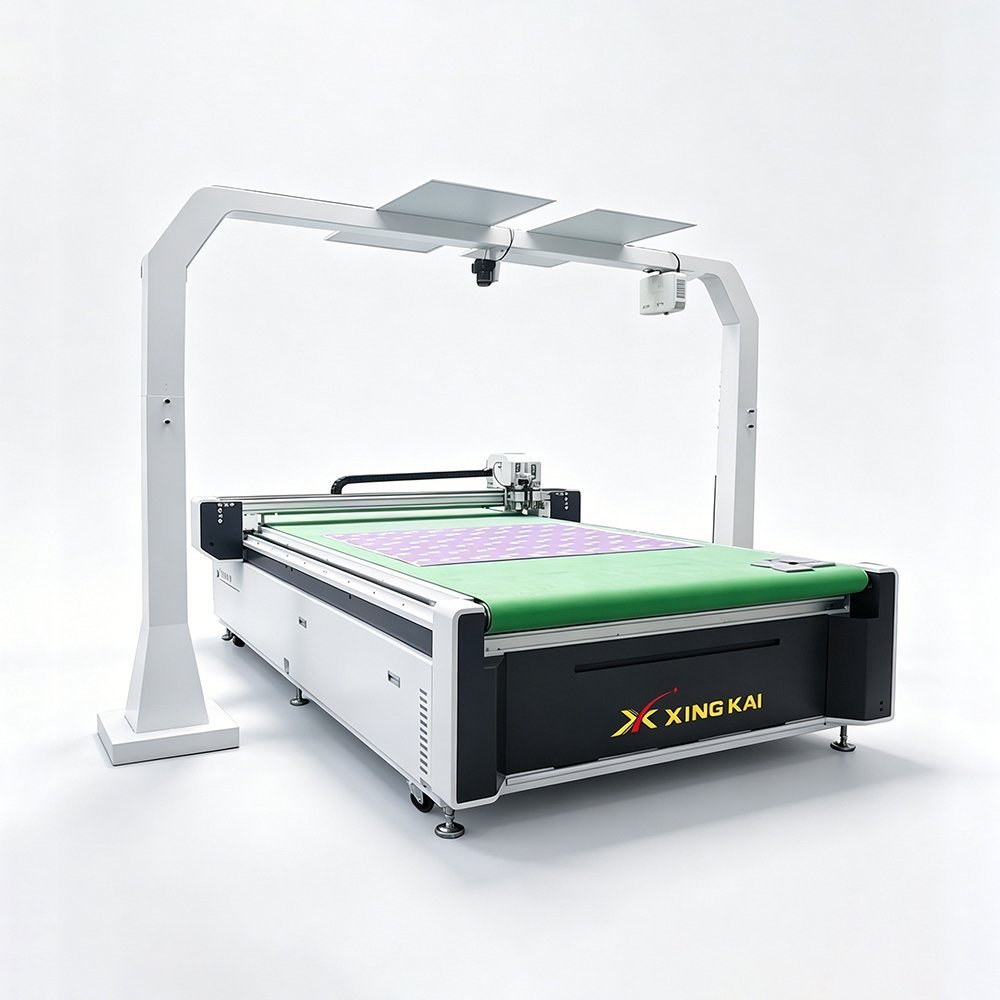
XK1625 1600×2500mm CNC Leather Cutting Machine with Vision Camera and Oscillating Knife
Brand
XINGKAI
Manufacturer
Jinan Xingkai Machinery Equipment Co., Ltd.
Working Area
1600mm × 2500mm
Rating
★★★★★ 4.9 / 5 (11 reviews)
Service
Meets CE quality and safety standards; two-year limited warranty on the entire machine.
Delivery Time
We have stock available; standard delivery time is 3–7 days. Custom orders are made according to actual needs.
Request a Quote
Xingkai leather oscillating knife cutting machines are industrial CNC cutting systems specially designed for the automated cutting of genuine leather, synthetic leather, and leather composite materials.
They deliver high-precision cutting for cowhide, sheepskin, goatskin, suede, nubuck, PU leather, PVC leather, microfiber leather, bonded leather, upholstery leather, automotive leather, shoe upper leather, and laminated leather materials. Depending on production requirements, the machines can also process adhesive-backed leather and other flexible leather composites.
Advantages of the Automatic Leather Cutting Machine
High-speed motion control and suitable cutting tools improve leather pattern cutting efficiency and shorten production cycles.
Digital cutting follows imported designs to create accurate contours and consistent dimensions.
Intelligent nesting optimizes pattern layouts to reduce leather waste.
No cutting dies are required. Shapes and sizes can be changed by updating the cutting file.
Vision positioning can support irregular hides and printed or marked leather, subject to material testing.
Automatic feeding supports leather roll processing and reduces manual handling.
Optional marking, punching, and cutting tools support additional pattern-making processes.
Blade cutting avoids heat-related melting and burnt edges. Edge quality depends on the material and tool selection.
Suitable for samples, customized orders, and small-batch production of bags, footwear, upholstery, and leather goods.
Precision gear racks, linear guides, and CNC control support smooth, stable operation.
Leather Cutting Machine Details and Key Components
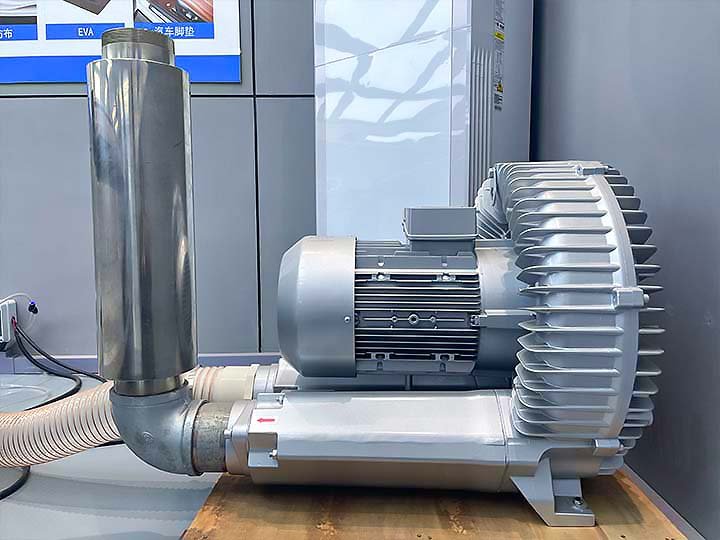
Fan equipment
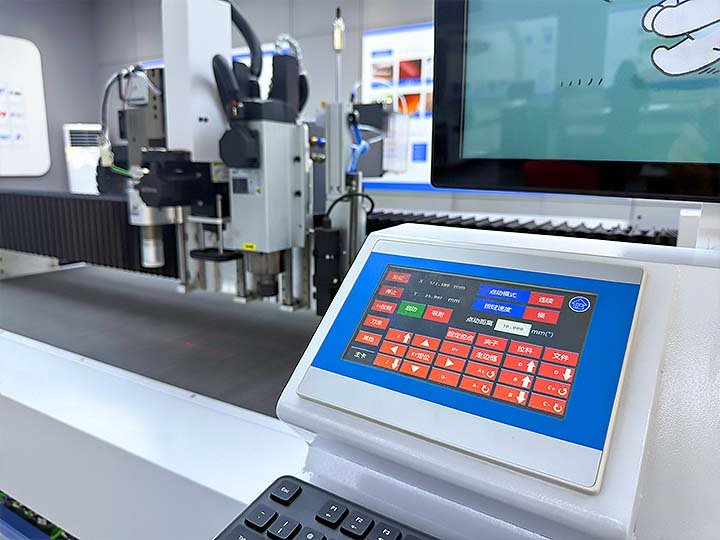
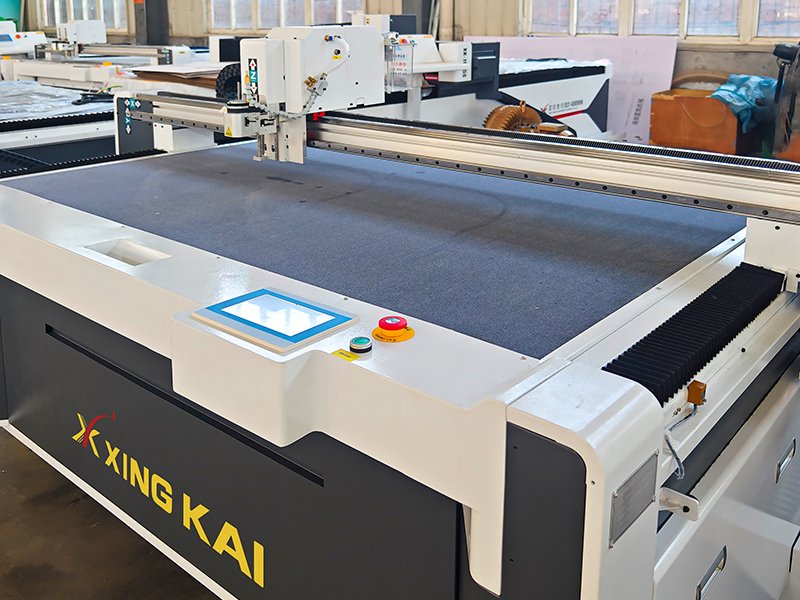
Multilingual operating system
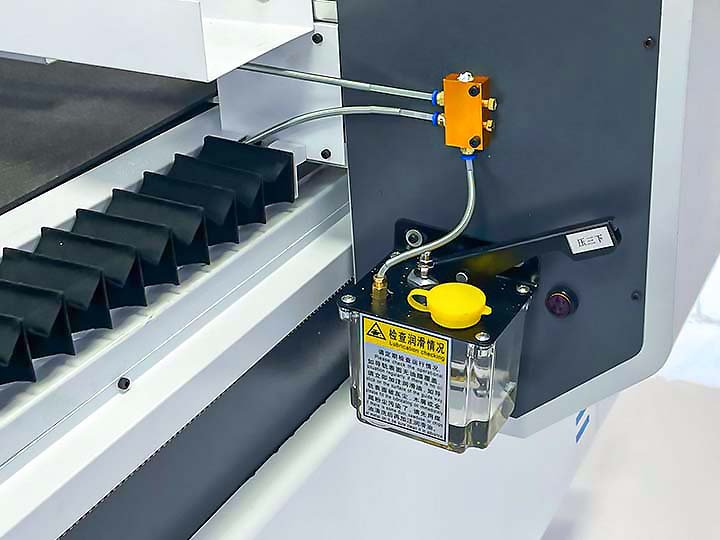
Oil pump
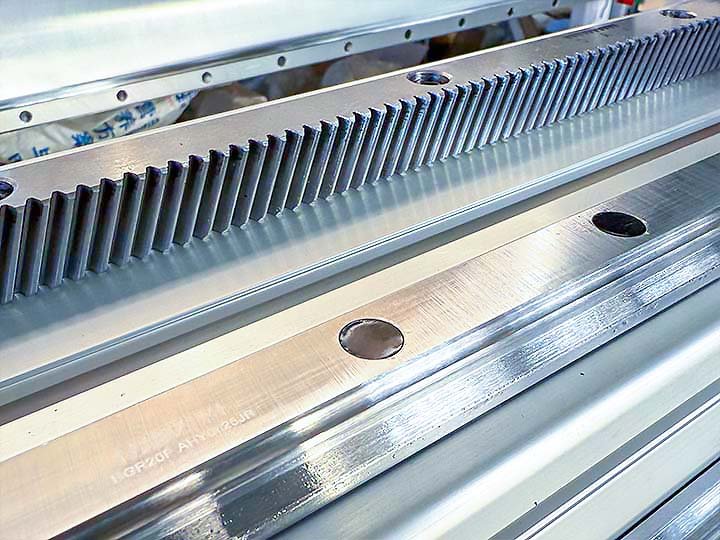
Rack
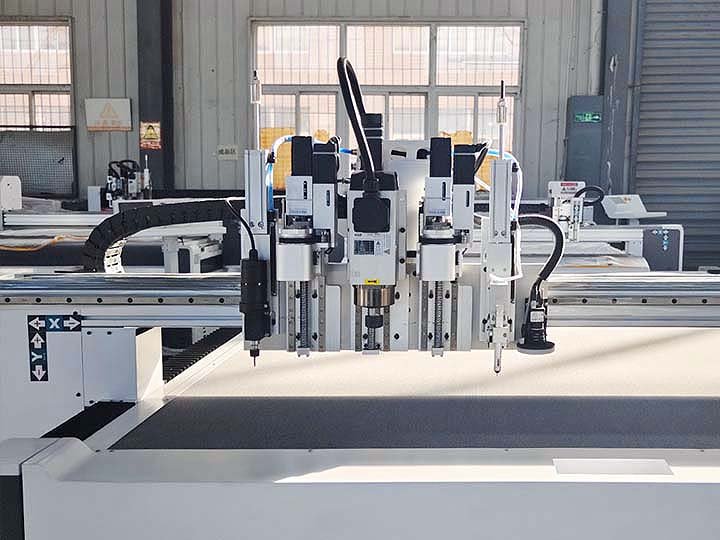
Multiple blade combinations
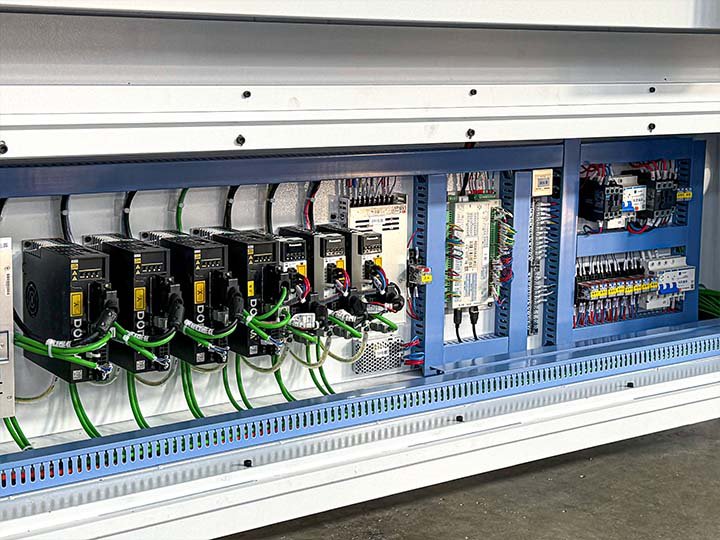
Servo driver
Felt
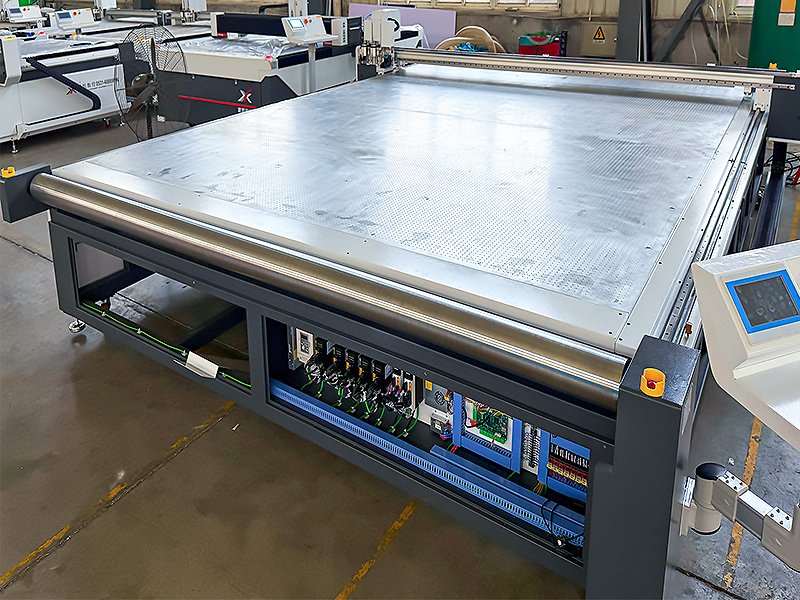
Aviation aluminum honeycomb panel
Leather Cutting Machine Specifications
Customizable working sizes and cutting configurations are available upon request.
| Parameter | Specification |
|---|---|
| Cutting Materials | Genuine leather, PU leather, synthetic leather, microfiber leather, suede and composite leather |
| Cutting Speed | ≤1800 mm/s (actual speed depends on the material and cutting pattern) |
| Cutting Thickness | ≤20 mm, depending on material hardness and density |
| Material Fixing Method | Vacuum adsorption with reverse air blowing |
| Cutting Accuracy | ±0.1 mm |
| Compatible File Formats | DXF, HPGL |
| Working Voltage | AC 220V/380V ±10%, 50Hz |
| Transmission System | Servo motor drive and precision linear guide rails |
| Working Environment | Temperature: 5°C–35°C; Humidity: 35%–75% |
| Software Resolution | 0.025 mm |
| Operation Interface | Touchscreen |
| Vacuum Pump Power | 7.5 kW or 9 kW |
| Standard Cutting Tool | Oscillating knife |
| Optional Tools | Pneumatic oscillating knife, rotary tool, punching tool, marking pen and kiss-cut tool |
| Optional Functions | Automatic nesting, projection positioning, CCD camera recognition and leather defect recognition |
Leather Cutting Machine Models and Dimensions
| Model | Effective Cutting Area (L × W) | Machine Dimensions (L × W) | Package Size (L × W) |
|---|---|---|---|
| 7010 | 1000 × 700 mm | 1700 × 1380 mm | 1850 × 1500 mm |
| 1615 | 1500 × 1600 mm | 2320 × 2500 mm | 2470 × 2620 mm |
| 1625 | 2500 × 1600 mm | 3350 × 2500 mm | 3500 × 2560 mm |
| 1825 | 2500 × 1800 mm | 3350 × 2700 mm | 3750 × 2290 mm |
| 1840 | 4000 × 1800 mm | 4800 × 2700 mm | 5200 × 2290 mm |
| 2025 | 2500 × 2000 mm | 3350 × 2900 mm | 1900 × 3100 mm, disassembled |
| 2030 | 3000 × 2000 mm | 3950 × 2900 mm | 2200 × 2900 mm, disassembled |
Application Industries for Leather Cutting Machines
Footwear manufacturers can cut shoe uppers, tongues, insoles, reinforcement pieces, decorative parts, and other leather components.
Bag and luggage producers can process panels, straps, handles, pockets, case components, and decorative leather parts.
Automotive interior suppliers can cut seat leather, door-panel coverings, steering-wheel components, headrests, armrests, dashboard leather, and trim parts.
Furniture and upholstery workshops can process sofa leather, chair upholstery, cushion covers, backrest panels, armrest pieces, and custom furniture components.
Leather goods manufacturers can produce wallets, belts, watch straps, cases, covers, small accessories, and personalized products.
Sports, safety, and saddlery applications include gloves, protective pads, equipment coverings, saddle components, and selected protective parts.
Custom manufacturing teams can use digital cutting for prototypes, replacement parts, small batches, and frequent style or size changes.
Leather Cutting Machine Applicable Materials
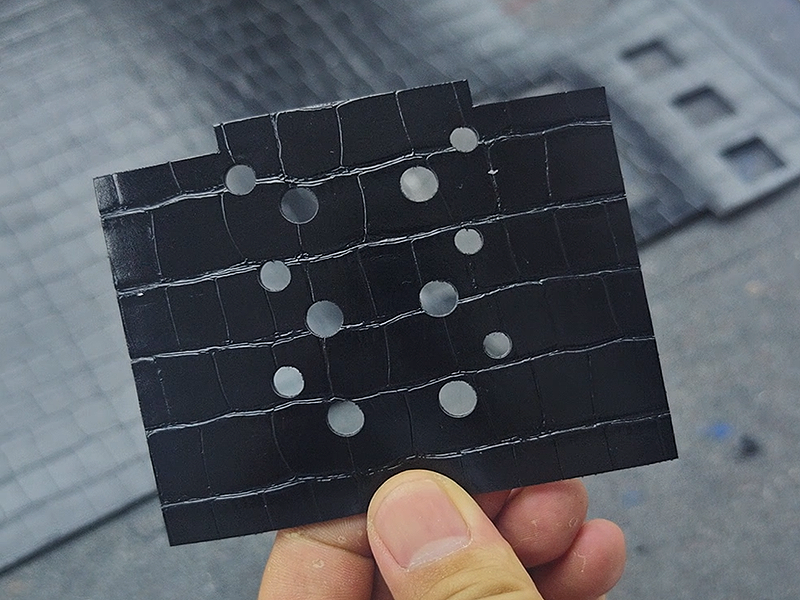
Patent Leather Fabric
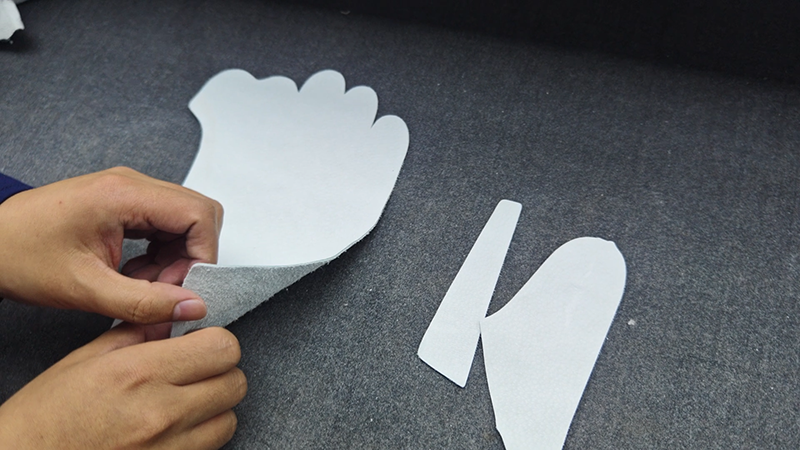
Genuine-Leather-
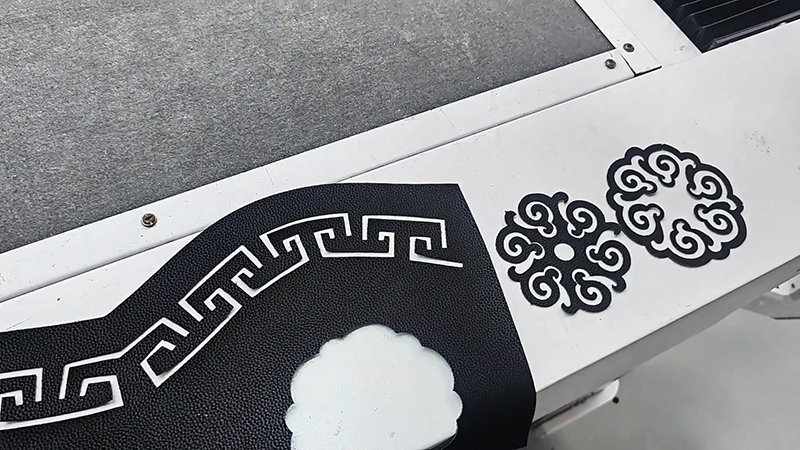
PU Leather
Optional Blades and Accessories for Leather Cutting Machines
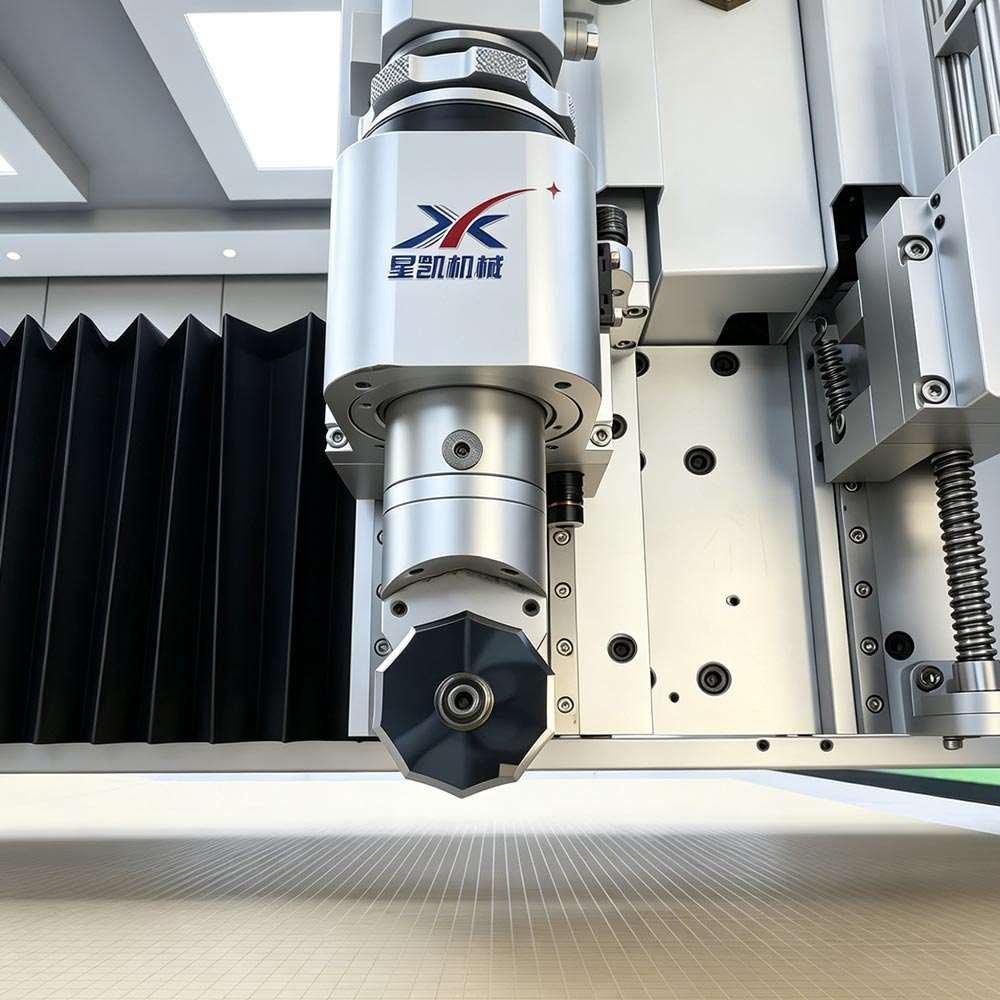
Round knife
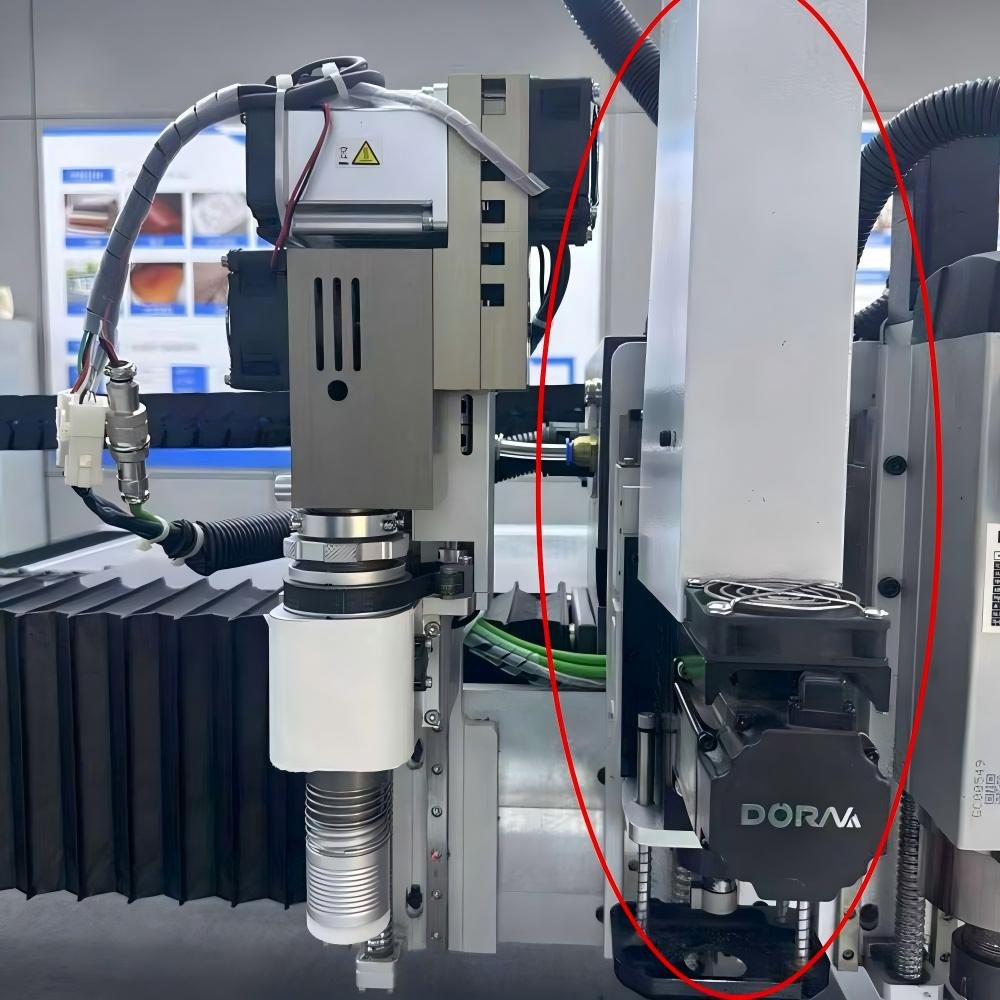
400W high power
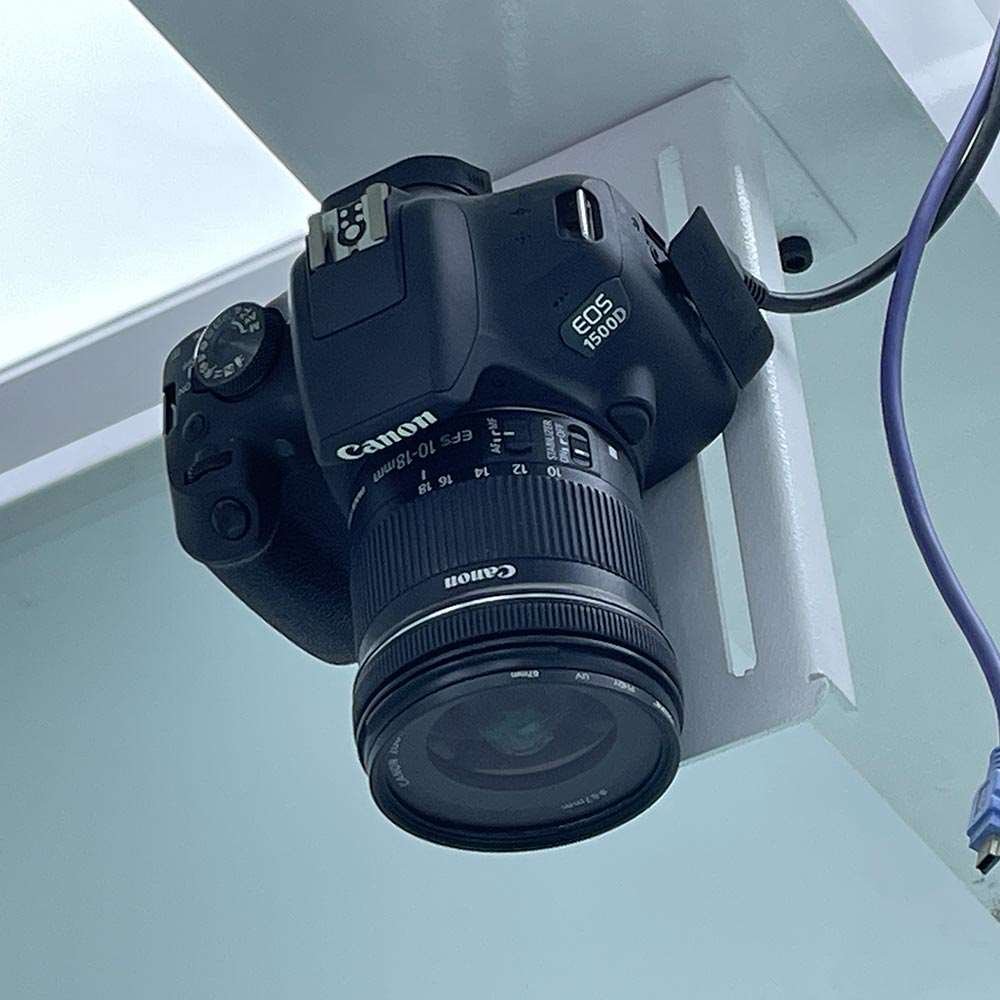
Camera
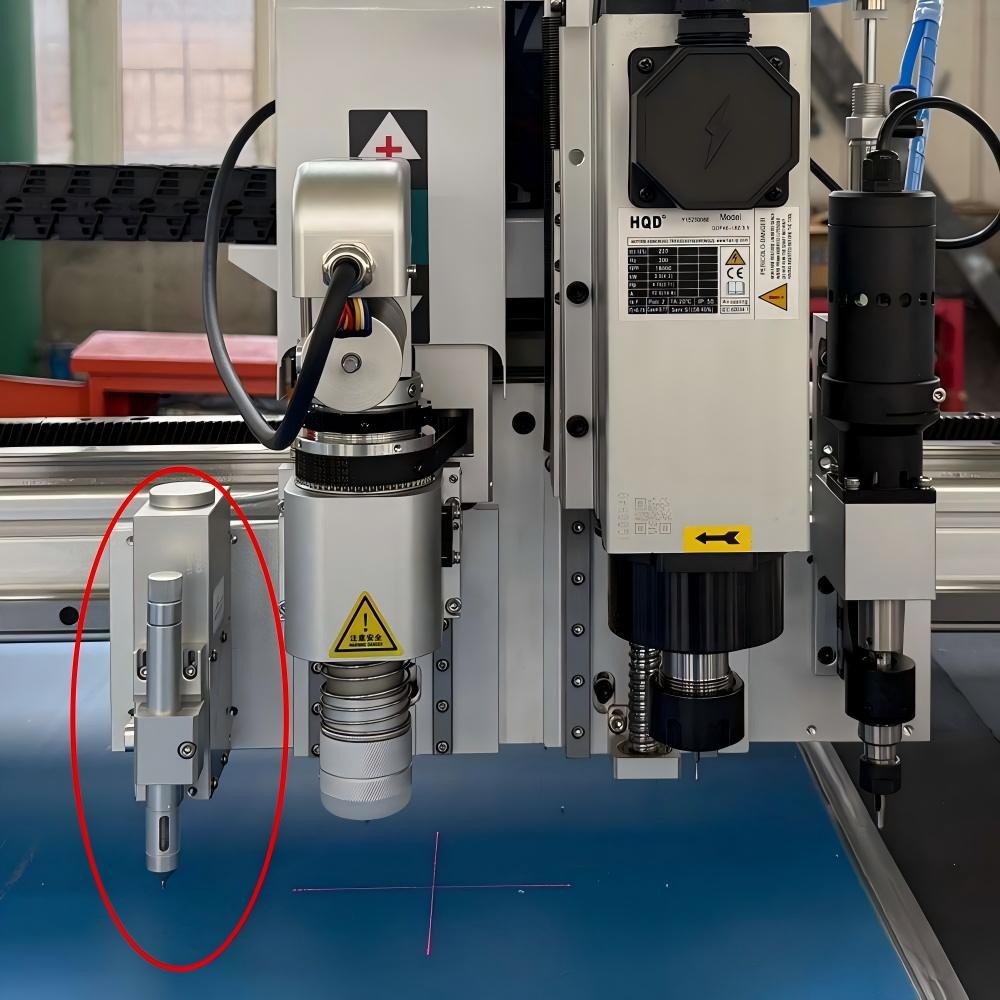
Marco Pen
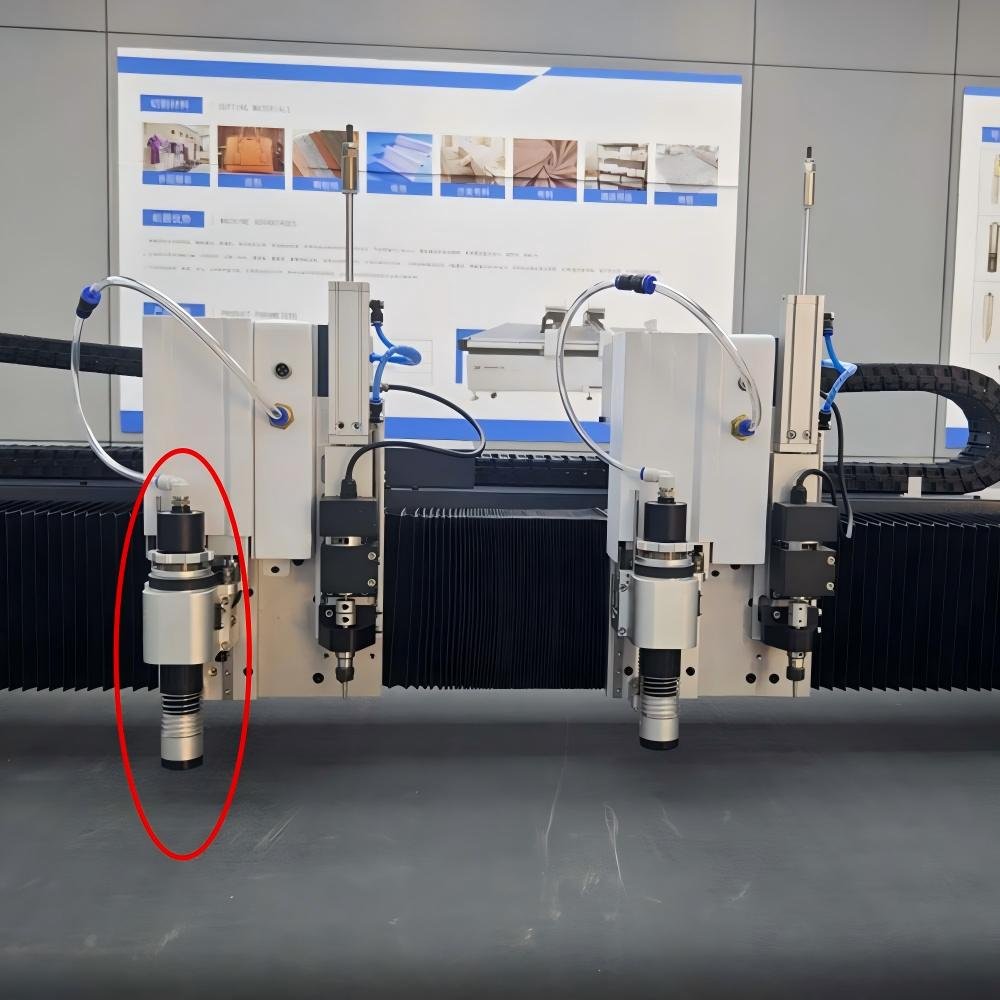
Pneumatic knife
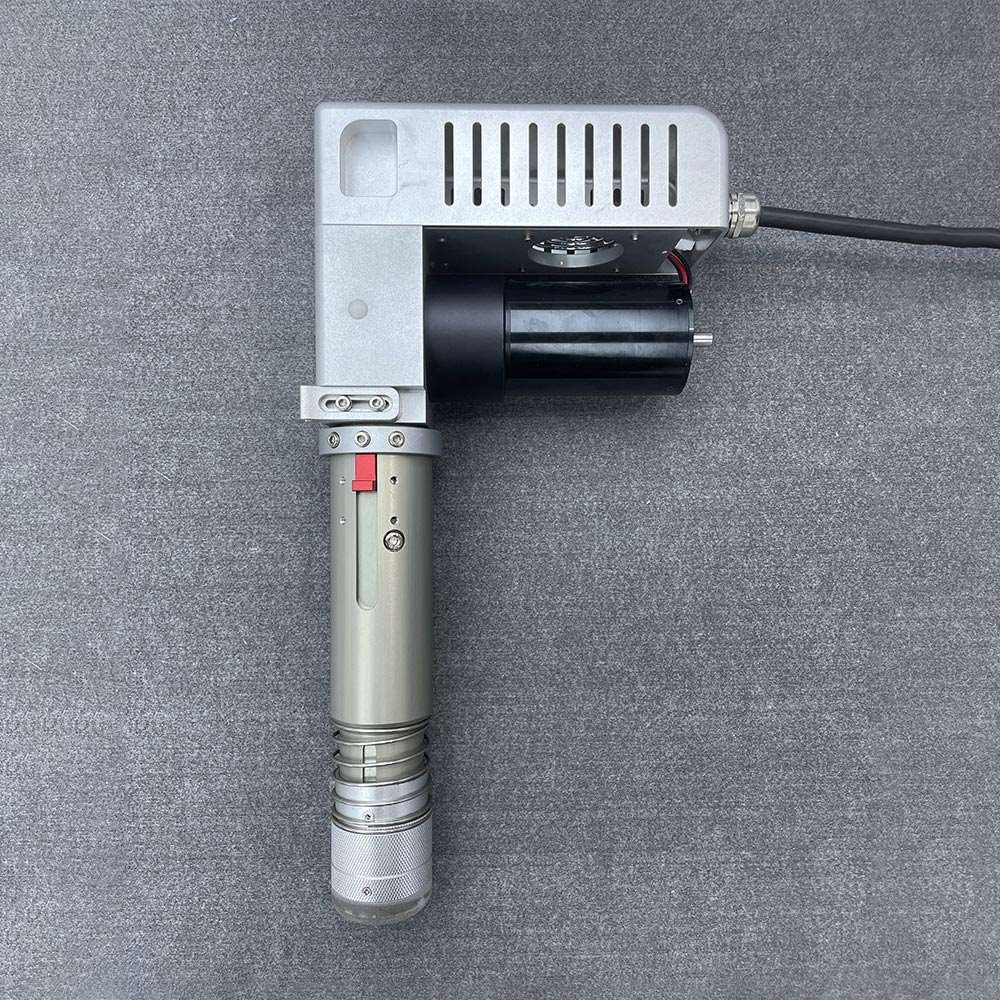
Vibrating knife
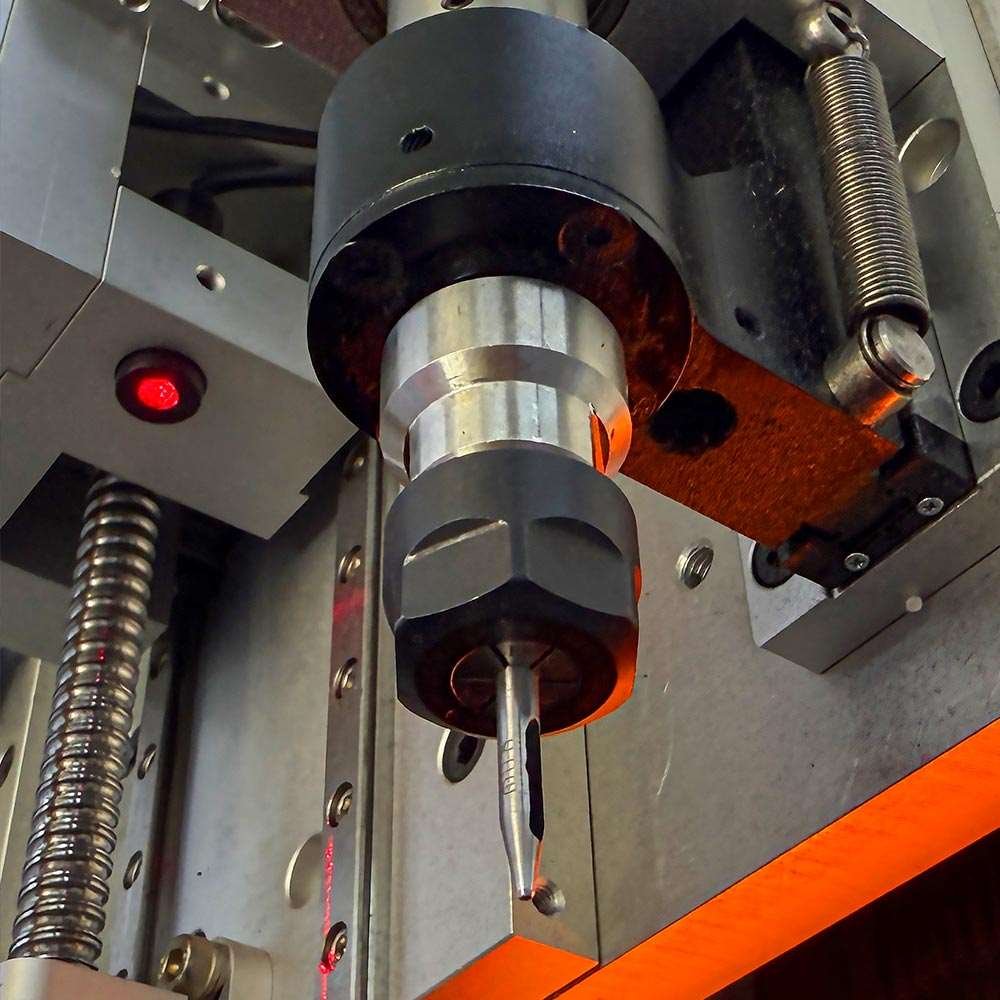
Punching
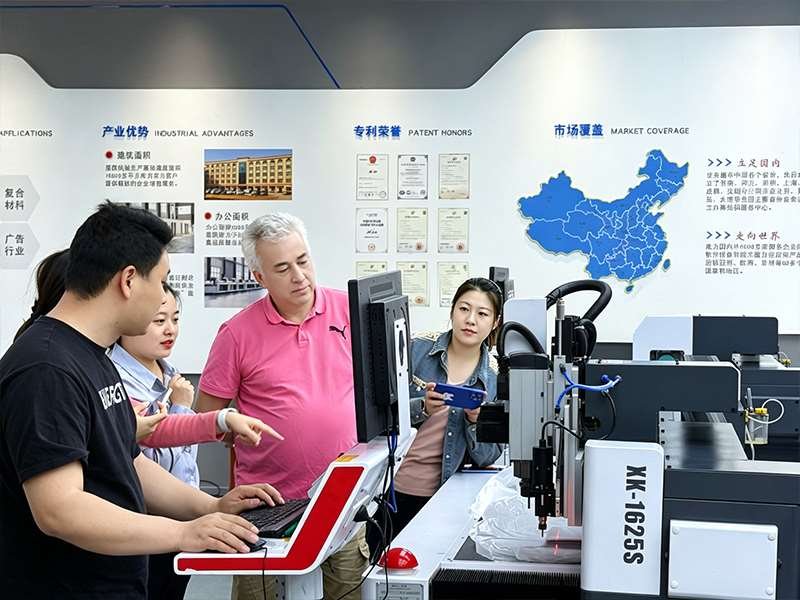
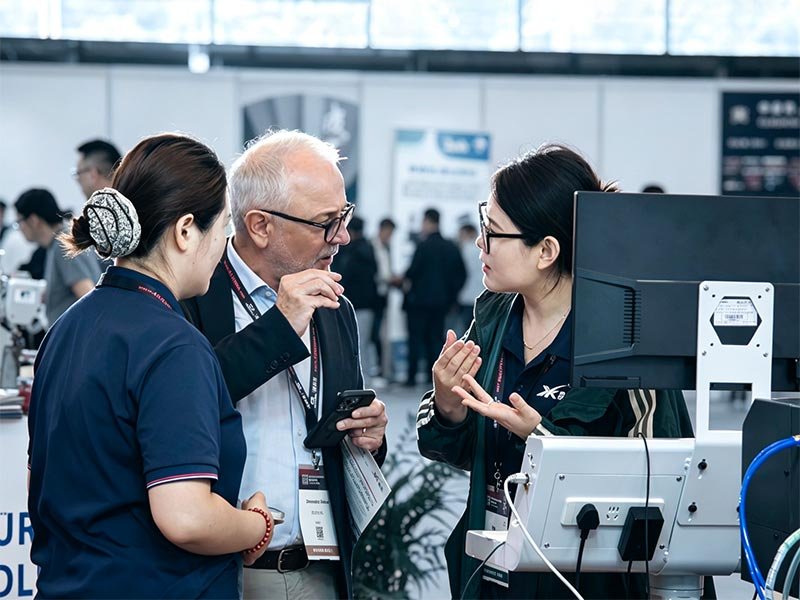
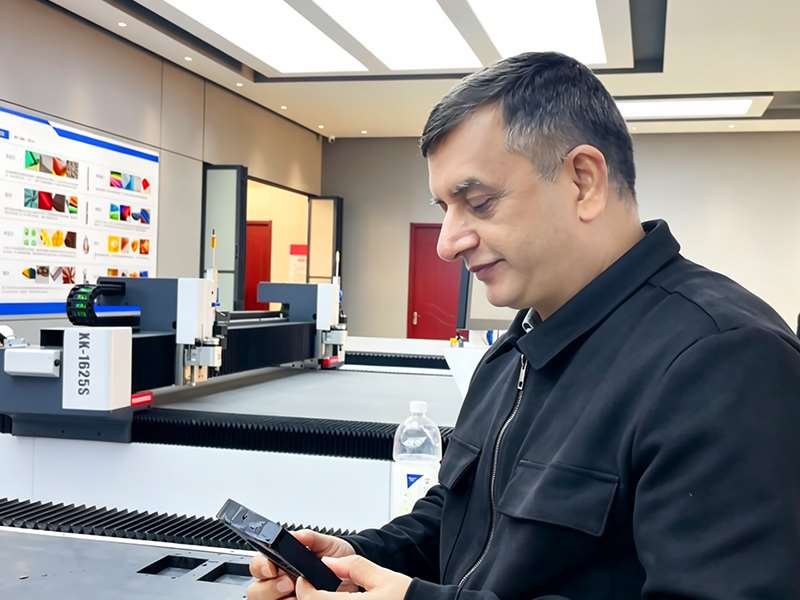
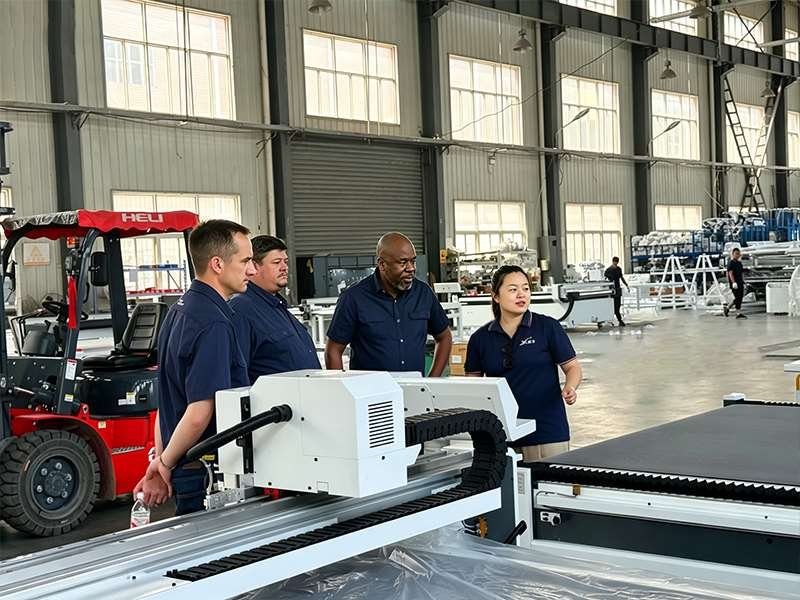
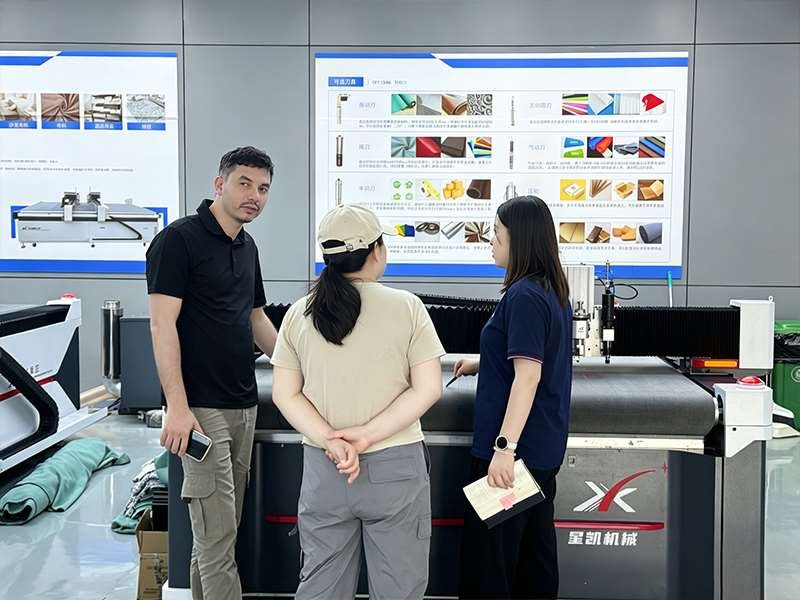
Customer Recognition for Leather Cutting Machines

Why Choose a CNC Leather Oscillating Knife Cutting Machine?
Leather can stretch, shift, or deform during manual cutting. Genuine leather also has irregular outlines and natural defects such as scars, holes, wrinkles, and color differences. Manual nesting depends heavily on operator experience, making it difficult to maintain stable material utilization and consistent part dimensions.
Traditional die cutting requires a separate die for every product style and size. This increases tooling costs, extends sample development time, and limits flexibility when manufacturers handle customized products or frequently changing designs.
A CNC leather cutting machine uses vacuum adsorption to stabilize the material and automatically follows the imported design file. The oscillating knife moves rapidly up and down, allowing the machine to cut straight lines, curves, holes, slots, internal contours, and complex irregular shapes accurately.
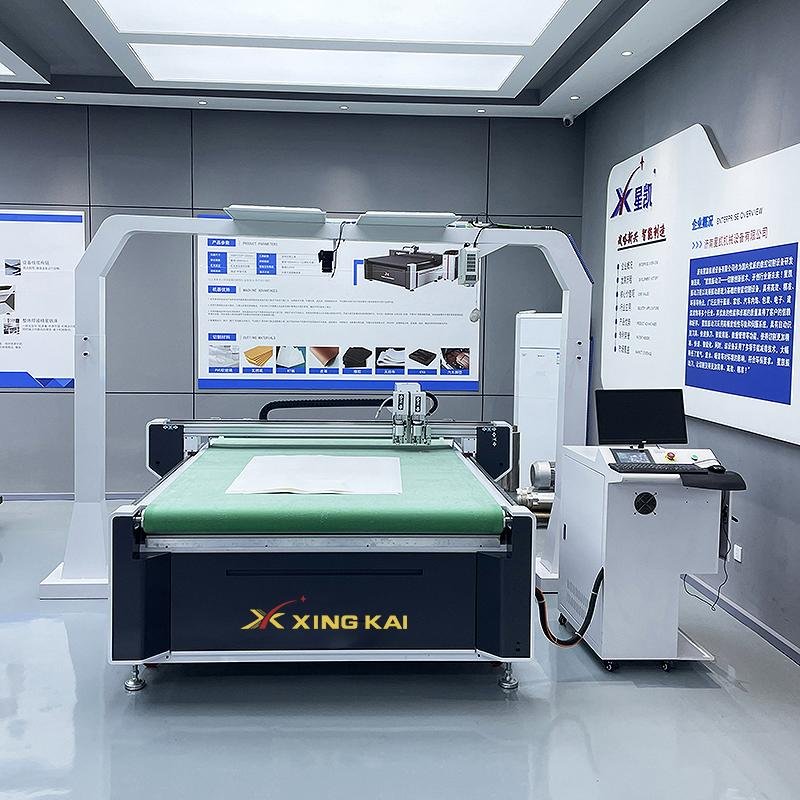
For natural hides, an optional large-format camera captures the complete leather outline and recognizes defect areas marked by the operator. Intelligent nesting software then arranges parts within usable areas according to part shape, leather quality, grain direction, and production priority. For PU, PVC, and microfiber leather rolls, a conveyor table with automatic feeding supports continuous cutting and reduces repeated manual loading.
Xingkai leather cutting machines use blades for physical cutting. Unlike laser processing, they generate no cutting heat, helping avoid burnt edges, discoloration, smoke, and unpleasant odors. The finished edges are clean and natural, making the machine suitable for leather products with high appearance and assembly requirements.
Why Choose an Oscillating Knife Cutter Instead of a Laser Cutting Machine for Leather?
For genuine leather, PU leather, PVC leather, microfiber leather, and other leather materials, oscillating knife cutting offers several important advantages.
Laser cutting uses heat to burn or melt through the material. When cutting genuine leather, it may produce darkened edges, scorch marks, smoke, and an unpleasant odor. When cutting synthetic leather, heat may cause melting, deformation, discoloration, or fumes depending on the material composition.
An oscillating knife cuts mechanically without generating cutting heat. It helps preserve the original leather color, surface texture, and edge appearance. The cut parts can normally proceed directly to sewing, bonding, or assembly without removing burnt residue.
Compared with manual cutting, the Xingkai digital leather cutting machine automatically reads design files and combines intelligent nesting, vacuum adsorption, visual recognition, marking, punching, and precision cutting. This improves production consistency while reducing manual errors and material waste.
Laser cutting may still be suitable for engraving or selected compatible thin materials. However, oscillating knife cutting is generally a cleaner and more flexible choice for footwear, bags, automotive interiors, furniture upholstery, and leather goods where edge quality and material appearance are important.
How to Choose a Leather Cutting Machine
For genuine leather hides with irregular outlines, we recommend a fixed-table digital cutting machine with a large-format camera. The camera captures the full hide shape and marked defects, while intelligent nesting places parts within usable areas.
For PU leather, PVC leather, microfiber leather, and other roll materials, we recommend a conveyor cutting machine with an automatic feeding system. It supports long patterns and continuous batch production while reducing repeated manual loading.
For fixed-size synthetic leather sheets, samples, leather accessories, and small-batch orders, a fixed-table model is compact and flexible.
For common genuine and synthetic leather, an electric oscillating knife normally provides efficient cutting. For thick, dense, hard, or laminated leather, a pneumatic oscillating knife with a suitable blade is recommended.
If the product requires holes, sewing marks, part numbers, or matching references, punching and marking tools can be added. For selected adhesive-backed leather, a half-cut tool may be configured. For printed leather or materials with registration marks, a CCD positioning camera can be selected.
Machine configuration should be based on leather type, thickness, hardness, material format, maximum dimensions, cutting shape, visual recognition requirements, and daily output. Sample testing is recommended before confirming the final configuration.
Leather Cutting Machine FAQ
What leather materials can the Xingkai oscillating knife cutting machine cut?
The machine can cut genuine leather, cowhide, sheepskin, goatskin, suede, nubuck, PU leather, PVC leather, microfiber leather, bonded leather, upholstery leather, automotive leather, shoe upper leather, adhesive-backed leather, and laminated leather composites.
Because thickness, hardness, elasticity, surface finish, and backing structure vary, customers are advised to send samples or provide material photos, thickness, dimensions, and cutting drawings. The Xingkai technical team can arrange a cutting test and recommend the correct tool.
What is the maximum leather cutting thickness?
The maximum cutting thickness depends on leather type, hardness, density, lamination, blade length, tool force, cutting shape, and required edge quality.
Xingkai leather cutting machines can be configured for suitable leather materials up to approximately 20 mm thick. The final cutting capacity should be confirmed through a test using the customer’s actual material.
Can the machine recognize natural leather outlines and defects?
Yes. An optional large-format camera can capture the complete hide outline. Defects such as scars, holes, and wrinkles can be marked before scanning, allowing the software to exclude those areas during automatic nesting.
The recognition and nesting process should be configured according to the customer’s leather grading method, defect marking method, grain direction, and product quality requirements.
Can the machine cut PU and PVC leather rolls automatically?
Yes. A conveyor table with an automatic feeding system supports continuous processing of PU leather, PVC leather, microfiber leather, and other leather rolls.
The feeding system is selected according to roll width, material tension, maximum pattern length, and required daily output.
Does leather cutting produce smoke or burnt edges?
No. The oscillating knife cuts mechanically without using laser heat. It avoids burnt edges, scorch marks, smoke, strong odors, and heat-related discoloration.
A small amount of leather fiber or cutting debris may be produced depending on the material. Regular cleaning of the cutting table and vacuum system is recommended.
How does the machine keep leather flat during cutting?
The machine uses a vacuum adsorption table to hold the material flat and secure. Vacuum zones and auxiliary covering methods can be adjusted according to leather size, thickness, flexibility, and air permeability.
For rolled leather, the automatic feeding system maintains stable material movement during continuous processing.
Can the machine cut multiple layers of leather?
Small-batch multilayer cutting may be possible for suitable materials. The actual result depends on total compressed thickness, leather hardness, surface friction, layer movement, and required accuracy.
Genuine leather is normally processed one hide at a time because every hide has a different outline and defect distribution. Uniform synthetic leather may be tested for multilayer cutting when production requirements allow.
Which design files does the Xingkai digital leather cutting machine support?
The machine supports standard formats such as DXF and PLT and can work with commonly used CAD, pattern-making, and nesting software. Compatibility with other formats can be confirmed according to the customer’s existing software.
After importing the design, the system can perform automatic nesting and cutting-path planning to improve material utilization and reduce manual work.
Does the machine require cutting dies?
No. Designs can be modified on a computer and imported directly into the cutting system. Different styles and sizes can be changed quickly without producing new dies.
This makes the machine suitable for product development, customized orders, small batches, multiple sizes, and high-mix production.
Can the machine punch holes and add marks?
Yes. Optional punching and marking tools can create positioning holes, sewing references, matching marks, part numbers, and assembly lines.
The required hole diameter, mark type, and visibility should be tested using the actual leather.
How often should the blade be replaced?
Blade life depends on leather type, thickness, hardness, backing layer, cutting speed, pattern complexity, and daily operating time. Soft leather normally causes less blade wear than hard, abrasive, or reinforced leather composites.
Operators should inspect the blade tip and cutting quality regularly. Replace the blade when edges become rough, corners lose accuracy, the leather is pulled, or the material is no longer cut completely.
Can I test my leather before purchasing?
Yes. Customers can send leather samples and cutting drawings to Xingkai for cutting tests. We can provide cutting videos and finished sample results.
To recommend the correct configuration, please provide:
Material | Thickness | Material Size | Cutting Size | Camera Requirement | Daily Production
Jinan Xingkai Machinery Equipment Co., Ltd. specializes in digital cutting solutions for flexible materials. We provide suitable machine sizes, vacuum configurations, cutting tools, large-format camera systems, CCD positioning systems, and automatic feeding solutions for footwear, bags, automotive interiors, furniture upholstery, leather goods, sports products, and customized leather manufacturers.