Work Hours
Monday to Friday: 7AM - 7PM
Weekend: 10AM - 5PM

A wedding backdrop is no longer a simple background. It frames the entrance, fills the camera view, supports the lighting plan, and turns an ordinary room into a memorable setting. Sequin curtains and hanging reflective panels are popular because they create movement and sparkle without requiring a heavy built structure. Yet producing those decorative elements consistently is not as simple as cutting circles from a shiny roll. The material may be thin, flexible, reflective, layered, or prone to shifting. For event decorators and fabricators, the difference between an attractive concept and a dependable finished installation often begins with the cutting process.
CNC oscillating knife cutting offers a digital route from reflective roll material to custom wedding sequin decor. Instead of relying on a fixed die for every new shape, a digital cutter follows a file-driven path with a rapidly moving blade. It can prepare decorative modules, tabs, slots, strips, and custom contours for many wedding concepts. The workflow supports variation while helping teams keep pieces repeatable, easier to sort, and ready for assembly. It is useful when creative ideas need to become physical decor without losing their individuality.

Why Wedding Sequin Decor Needs Flexible Cutting
Wedding styling is built around details: a color story, venue scale, floral palette, table arrangement, and the personality of the couple. A backdrop may use soft pastel discs for a garden ceremony, mirrored gold elements for a ballroom celebration, or iridescent pieces for a modern photo wall. One project may need a narrow welcome display, while another calls for a large suspended curtain behind the stage. Because dimensions, shapes, and layouts change from project to project, a fixed-tooling method can be slow to adapt and expensive to keep redesigning.
Digital oscillating knife cutting is well suited to this variety. A new design starts with a drawing rather than a new die. The operator can adjust an outline, add connection points, alter a spacing pattern, or create several shapes for the same installation. That flexibility is useful for event suppliers working with samples, seasonal themes, personalized orders, and collections that change often. It gives designers freedom to test a concept before committing to a larger batch, and it allows a successful layout to be saved for future work.
Reflective decorative materials have their own handling concerns. They can curl after unwinding, shift on the table, or show visible marks if processing is not controlled. A cutting workflow needs stable support, appropriate hold-down, clean tool paths, and a design that respects the behavior of the sheet or roll. The objective is not simply to separate a shape. It is to keep the visual surface presentable and every component ready for the next assembly step, whether it will hang on thread, attach to a panel, or become part of a layered installation.
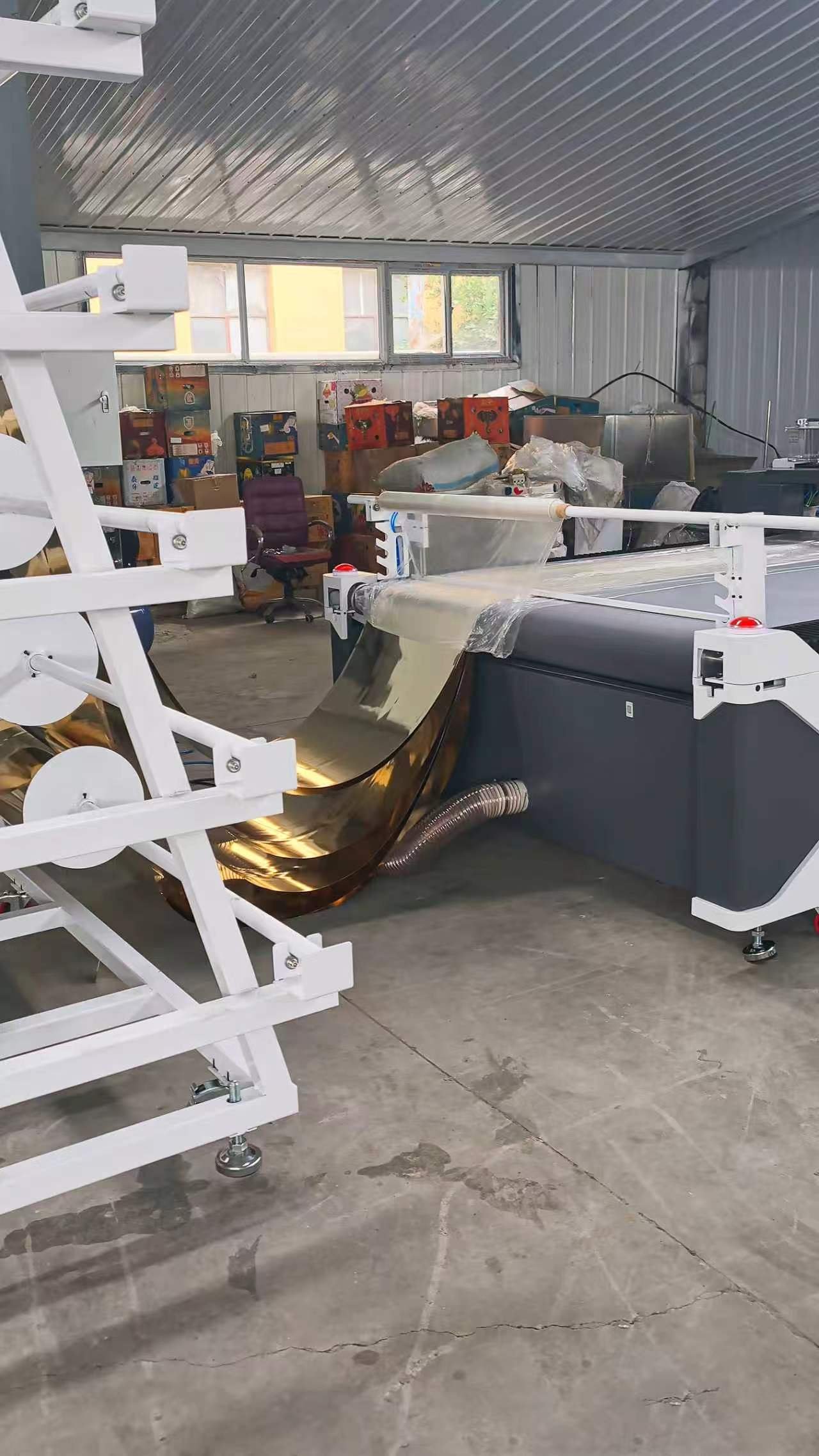
From Reflective Roll to Cut-Ready Layout
The process begins before the blade moves. Material is selected for its finish, thickness, flexibility, and the visual effect it should create under event lighting. Gold, silver, clear, pearl, pastel, holographic, and color-shifting surfaces all tell different stories. For wedding decor, final appearance also depends on how pieces overlap, rotate, and catch light when guests walk past. A small sample is valuable because it reveals how the material behaves in a real venue environment, not just under workshop lights or in a digital mood board.
Next, material is placed on the cutting table or supplied through a roll-feeding arrangement. A controlled feed helps keep a long decorative material run organized as it enters the work area. On the table, the sheet needs to remain flat enough for the blade to follow the design accurately. Vacuum hold-down or another suitable securing method can reduce movement, while careful setup helps protect the face of reflective material from unnecessary scuffs. This foundation makes accurate cutting more achievable, particularly where the design includes repeated small pieces.
The cutting file defines more than the visible outline. It can include holes for hanging, narrow bridges for connecting units, slots for interlocking, and registration features for repeat layouts. A designer might create standard round or oval discs, but digital cutting also makes it possible to introduce petals, arches, stars, wave forms, initials, or motifs that match the event theme. The same file can be nested to use the material area thoughtfully and keep a collection of components consistent from the first panel to the last.
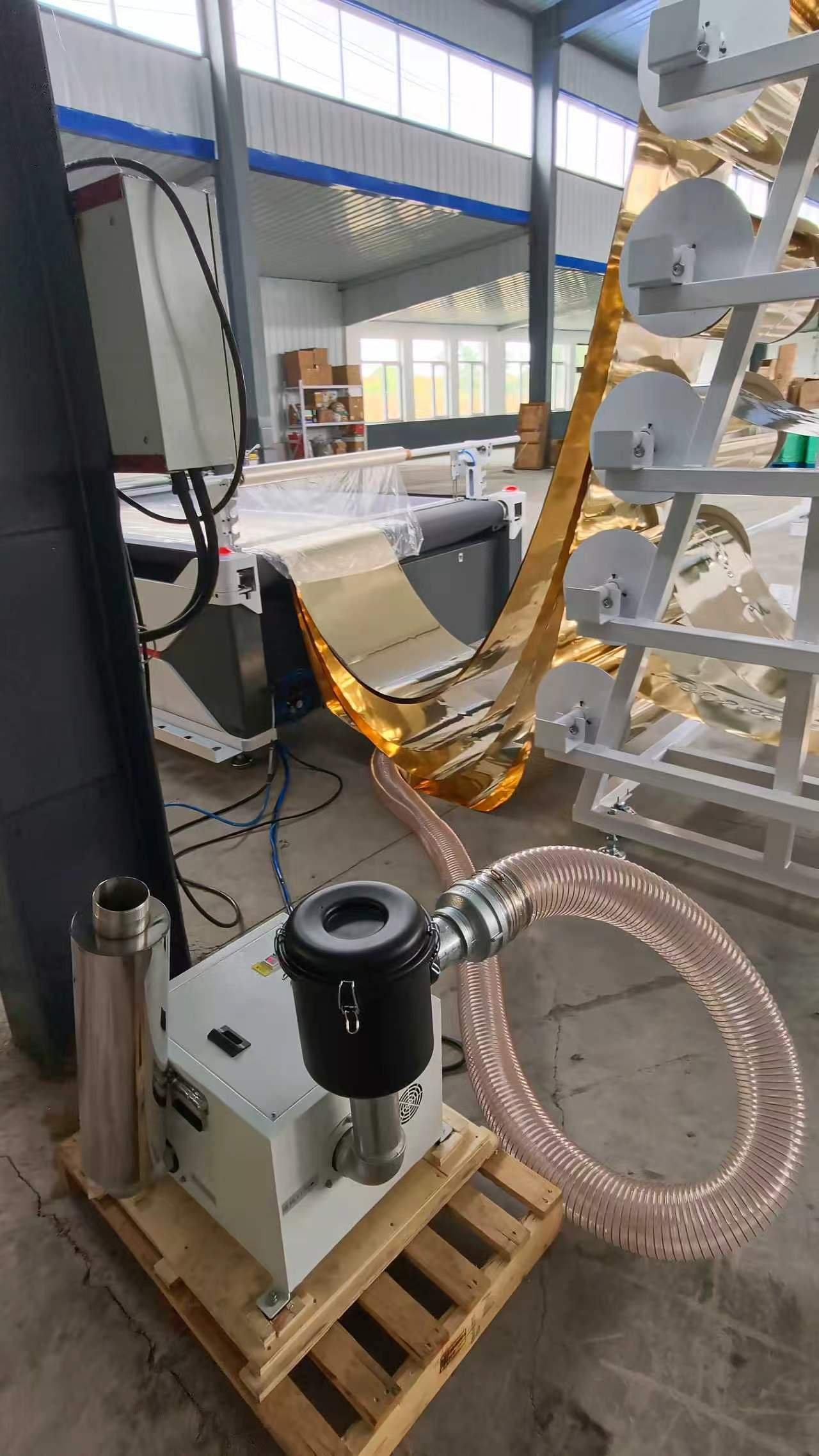
A Controlled Mechanical Cut for Decorative Surfaces
An oscillating knife tool uses rapid blade motion to cut through many flexible sheet materials. For wedding sequin applications, it can be selected when a controlled mechanical cut is appropriate for the material and design. Unlike a thermal process, a knife does not depend on heat to form the edge. That may matter for reflective films, layered decorative sheets, or materials where the visible finish deserves careful handling. The best tool and process always depend on a real material sample and the desired final effect.
Tool selection, blade condition, cutting depth, and path order all matter. A dull blade can pull or drag material; an unsuitable depth can leave incomplete cuts or affect the layer underneath. Operators can test on a small section, inspect both the edge and the face of the material, then refine settings before producing the full layout. This test-first approach is sensible for premium decor materials, where a clean finish is part of product value. It also helps identify practical details such as minimum shape size and preferred connection geometry.
A digital cutter can separate a complex layout in a deliberate sequence. Interior slots or holes can be cut before the outside contour, helping each part remain supported until the right moment. This can be helpful when small decorative pieces would otherwise move after release. Paired with careful material handling and orderly collection of offcuts, the process creates a more manageable production flow. Teams can keep components grouped by project and reduce the time spent finding, re-cutting, or sorting pieces after the cutting table has finished.
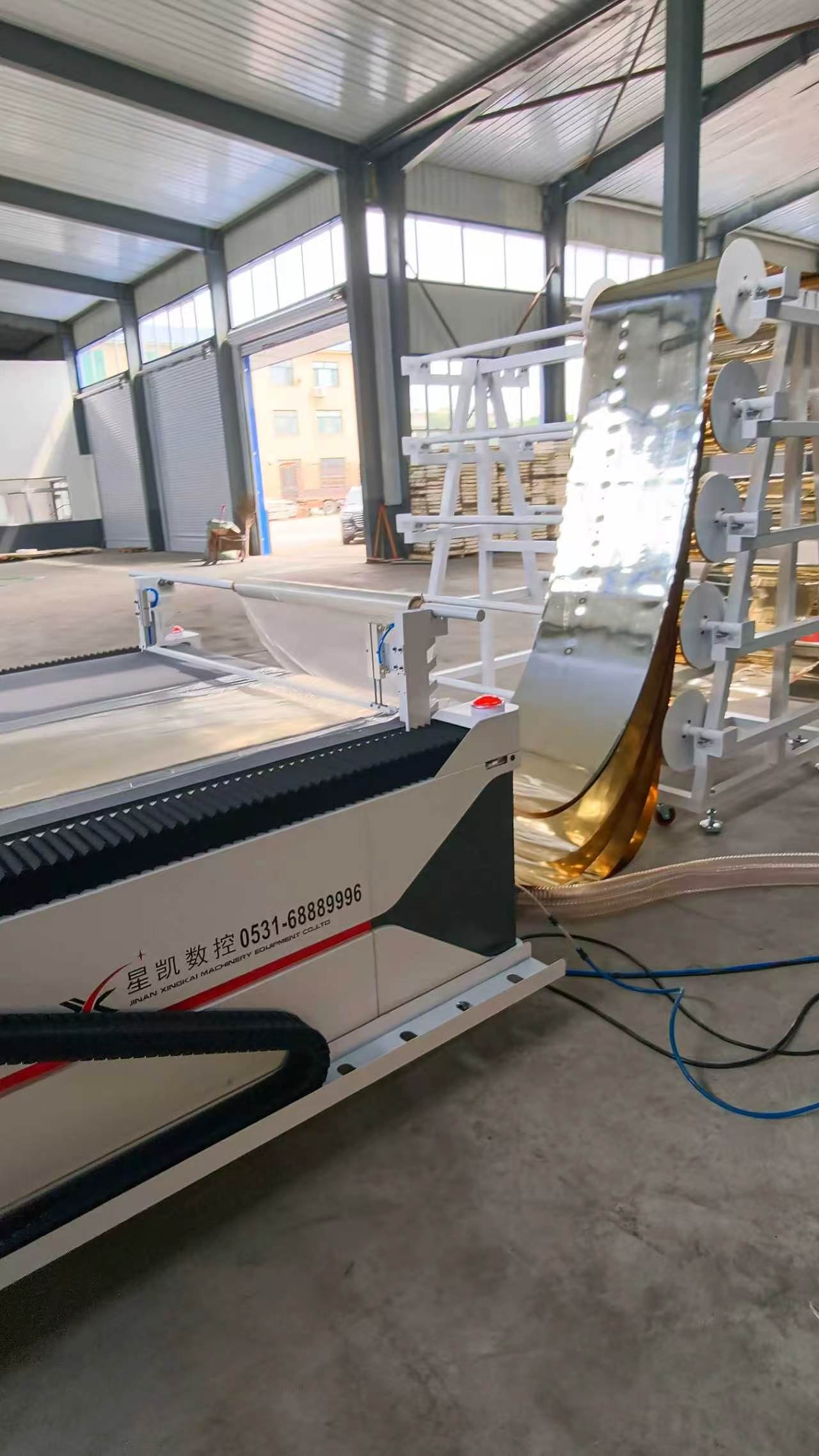
Beyond the Standard Sequin Curtain
The classic hanging-disc curtain remains a favorite because it gives a venue depth, motion, and a lively response to light. But it is only one direction. Customized cut components can become layered ceremony backdrops, suspended aisle installations, sweetheart-table panels, photo booth walls, stage surrounds, window displays, or event entrances. Small pieces can be combined into gradients, floral-inspired clusters, geometric mosaics, or color transitions. This turns an installation from a stock decoration into a visual setting created for one particular celebration and one particular camera angle.
Modular design is especially useful for decorators. Instead of producing one large and difficult-to-transport panel, a project can use repeatable sections that are easier to pack, hang, repair, and reconfigure. A damaged module can be replaced without rebuilding the whole backdrop. Standardized connection details can simplify installation, while visible shapes can change freely from one collection to the next. Digital files become a reusable design library that can be adapted for wedding seasons, venue partnerships, and requests for customized colors, names, proportions, or light effects.
Layering adds another dimension. Transparent or iridescent elements can sit in front of softer pastel layers; mirrored pieces can be scattered as highlights; larger shapes can establish rhythm while smaller ones fill visual gaps. When a backdrop is lit from different angles, these layers create varied reflections that photograph beautifully. The strongest designs balance sparkle with negative space, allowing flowers, furniture, and people to remain visible rather than overwhelming every image. A mock-up makes it easier to decide how much density and reflection the final space truly needs.

Build a Reliable Event Decor Workflow
A reliable wedding decor workflow combines creative planning with practical production discipline. Start by agreeing on event dimensions, hanging method, environmental conditions, transport plan, and installation time. Then develop a sample module and test it with the selected material. Review whether the shape hangs correctly, whether connection points suit the intended use, and whether the surface effect matches the original mood board under realistic lighting. A small test can save substantial time later by uncovering a spacing, handling, or assembly issue before it affects the full installation.
After a sample is approved, organize cutting files by project, material, color, and version. Clear file naming prevents a beautiful design from being produced at the wrong scale or with an incorrect connection layout. Nesting plans should consider efficient material use, but should also leave enough room for safe removal and sorting. Compatible offcuts can be retained for small accents, sample swatches, or future custom details. This organizational discipline is valuable when several wedding jobs are moving through the workshop during a busy season.
Post-cut sorting is another important stage. Components can be grouped by shape, color, size, or installation zone, then packed in a way that protects the decorative surface. A clear labeling system helps an installation crew locate the right pieces at the venue. For larger projects, a mock-up section built in the workshop can reveal whether rhythm, density, and suspension method are working before the event day. The result is a calmer installation process and a backdrop that looks intentional when guests and photographers arrive.
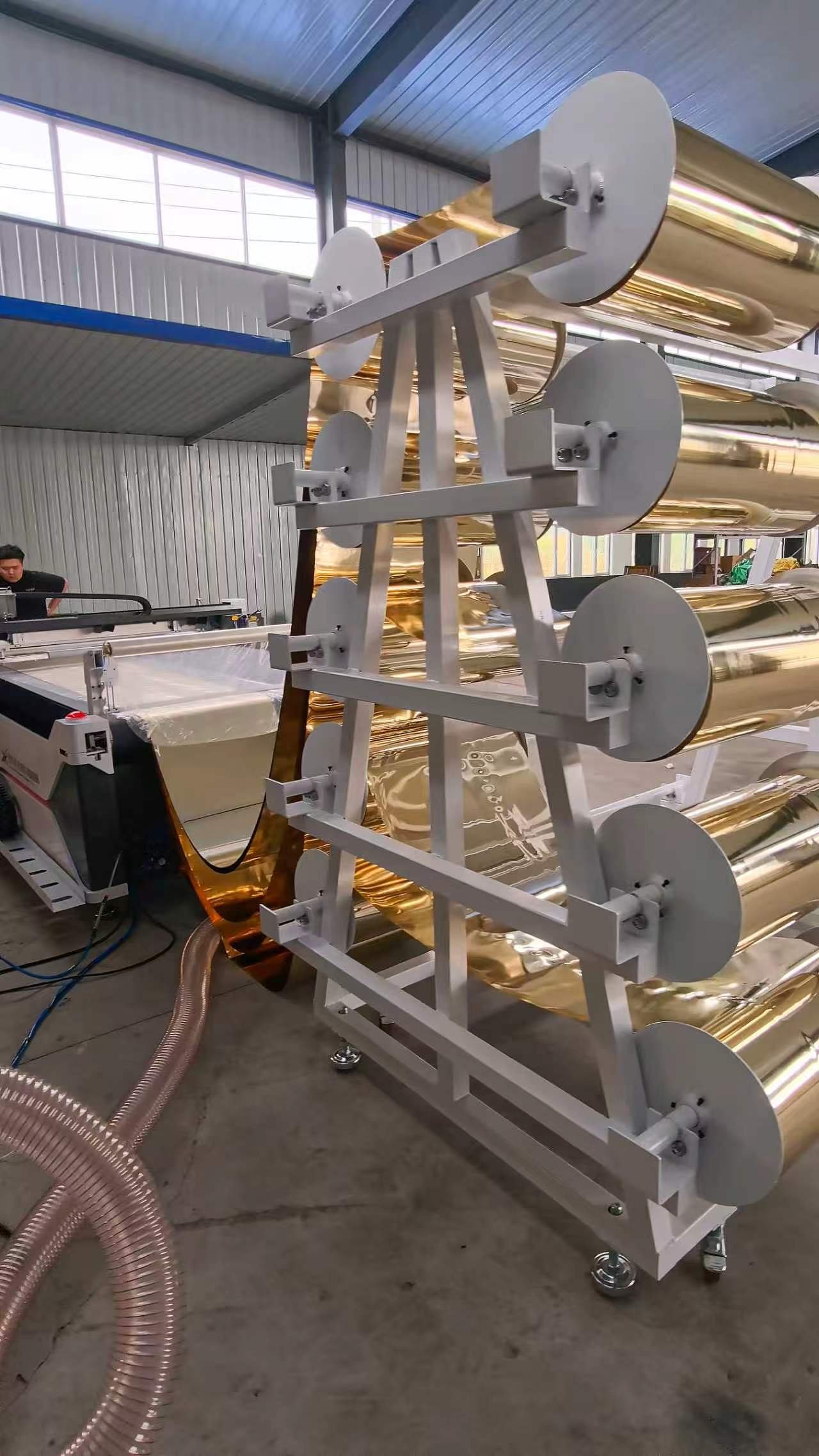
Choose the Process Around the Material
Every decorative material should be evaluated individually. Consider its thickness, construction, surface coating, flexibility, backing, and how it reacts to the blade. The required shapes and smallest details matter too, as do the available work area and the need for roll feeding. A useful discussion with a cutting-equipment supplier starts with real samples and a clear production goal, rather than a generic material name alone. Sample testing allows the team to judge appearance, cut quality, and handling as one complete decision.
It is wise to consider the workflow around the cutter. How will material be loaded? How will it be held in position? Where will finished pieces be collected? Is dust extraction or waste handling helpful for the chosen material? Who will prepare files and perform quality checks? These questions help a decor producer choose a process that is not only visually capable but practical for everyday production. A reliable process makes it easier to provide the same standard of finish across custom samples and repeat orders.
The right outcome is not defined by one universal setting. It comes from matching machine configuration, tooling, material handling, and digital file to the specific job. By validating the process with representative samples, teams can build confidence before taking on a detailed wedding installation or a collection intended for repeated seasonal orders. That confidence creates space for designers to be more ambitious, because they understand how to carry a fresh visual idea from concept through cutting, packing, and installation.
From Concept to Celebration
Wedding sequin decor succeeds when it feels effortless in the finished space: light-catching, tailored, and full of atmosphere. Behind that effect is a production process that respects both material and design. CNC oscillating knife cutting gives wedding decor makers a way to turn reflective rolls into controlled, customized components without making creative variation feel impractical. It brings a digital design workflow closer to the craft of event styling, where the smallest detail can change the feeling of an entire room.
Whether the goal is a softly shimmering ceremony backdrop, a bold gold photo wall, or a layered iridescent curtain, digital cutting can support the path from sketch to installation. With thoughtful material testing, clean file preparation, and modular assembly planning, a decor team can create pieces that are easier to reproduce, personalize, transport, and present. The celebration lasts a day, but a well-designed backdrop remains in every photograph as part of the story.

